
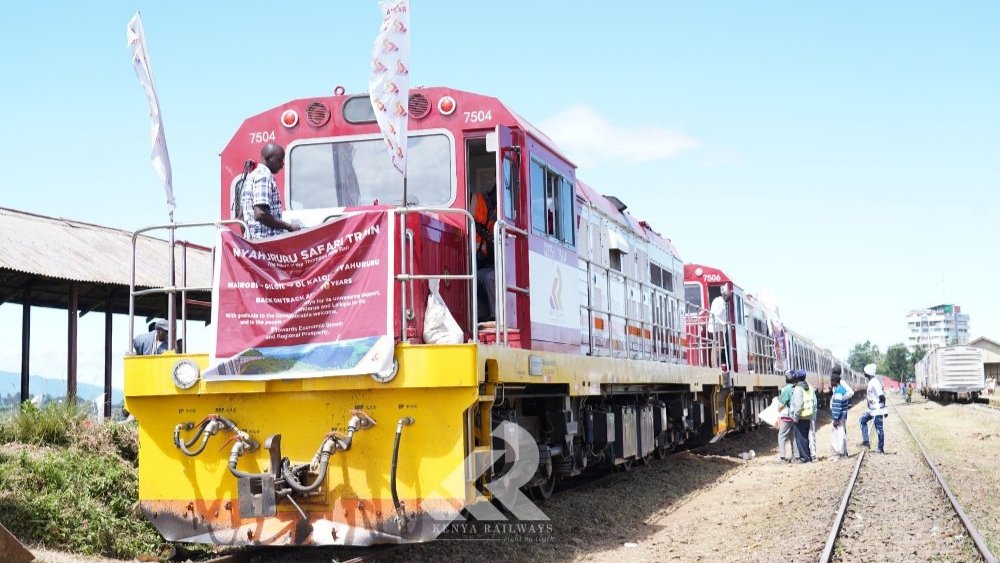

Crowds packed Ol Kalou station. Cheers rose as the Nyahururu Safari train arrived. It was the first passenger service the branch line had handled in 46 years.
The line had sat largely unused since the early 1980s. Its long inactivity reflected years of limited maintenance on many older Kenyan rail sections.
Dr Patrick Mariru, Principal Secretary in the Ministry of Defence, led the handover of the rehabilitated stations to Kenya Railways Corporation. Philip Mainga, the corporation’s managing director, accepted the facilities.
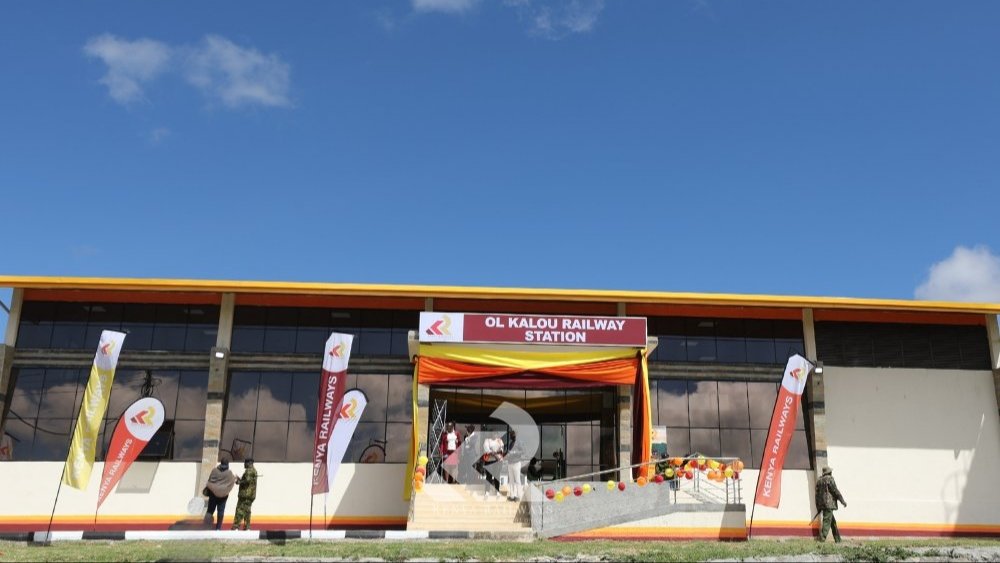
Revamped Ol Kalou Station /Handout
Rehabilitation under ministry supervision addressed accumulated wear from decades without regular service. The work brought stations and track sections back to operational standard.
Passenger operations now run two round trips weekly. Freight began at once. Hon Moses Kuria flagged off the initial cargo train carrying fertilizer from Mavuno Fertilizer Company to the National Cereals and Produce Board siding.
The consignment reached farmers ahead of planting season. Rail movement of bulk goods like this has long offered cost and road-relief advantages, though older lines require steady upkeep to avoid past reliability dips.
The Gilgil–Ol Kalou–Nyahururu corridor crosses productive agricultural land. Its extended dormancy had forced greater dependence on road transport for both people and inputs.
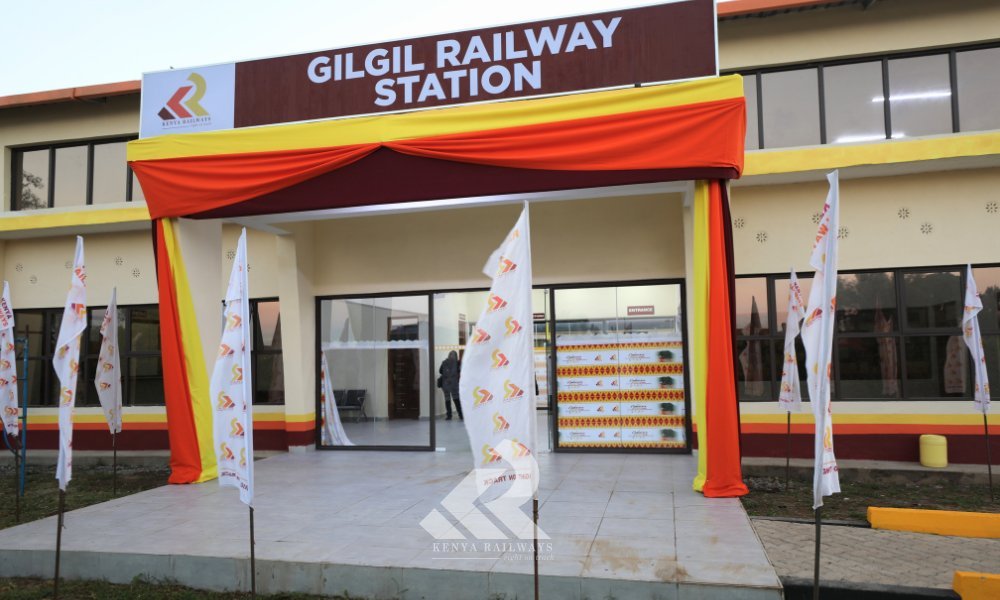
Revamped Gilgil Station /Handout
Kenya Railways now manages full operations, including timetables and ongoing maintenance. The connection at Gilgil feeds into the national network.
Public turnout at Ol Kalou suggested strong local demand. Many residents remembered when the line last ran regularly before falling into disuse.
Initial freight and passenger runs will test how well the revived infrastructure holds up under service. Older branch lines like this one often need close monitoring after long idle periods.

Cargo on transit /Handout
The fertilizer delivery showed immediate value for agriculture. It highlighted rail’s role in timely supply despite the route’s age and history of limited activity.
Further cargo categories may come online as performance data accumulates. Passenger uptake will gauge whether the twice-weekly schedule fits travel patterns in the area.
This reopening adds another segment to efforts reactivating neglected parts of the rail system. It demonstrates that dormant lines can return when rehabilitation tackles accumulated issues from years of inactivity.
Exact fares and detailed schedules remain to be announced. Focus stays on consistent running and addressing any early operational teething problems common to restored older routes.
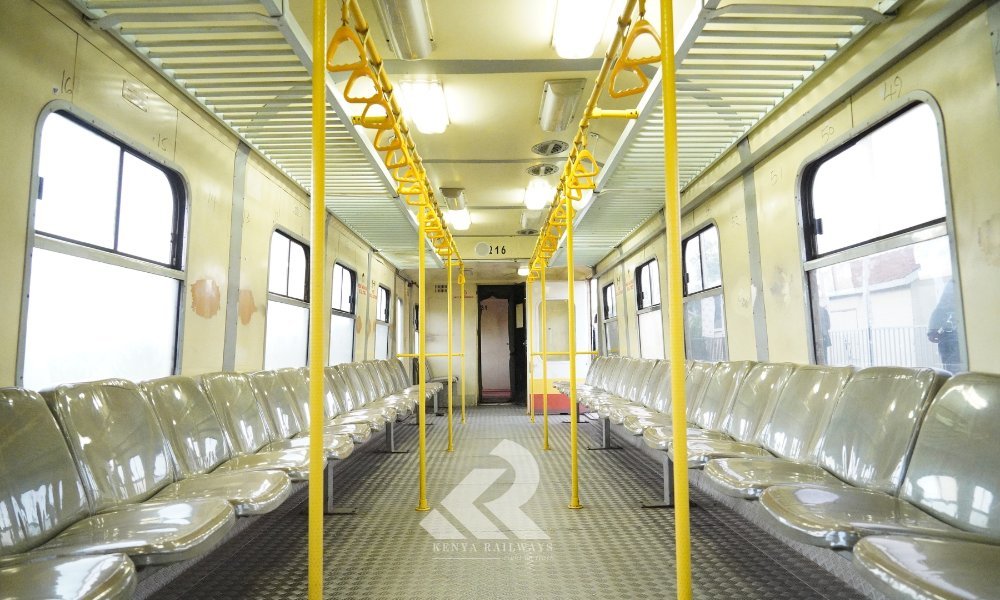
Inside the passenger train /Handout
The stations now serve as active stops once more. Their revival ends a long gap that had disconnected communities from rail options.
Comments (0)
Leave a Comment
No comments yet. Be the first to share your thoughts!