
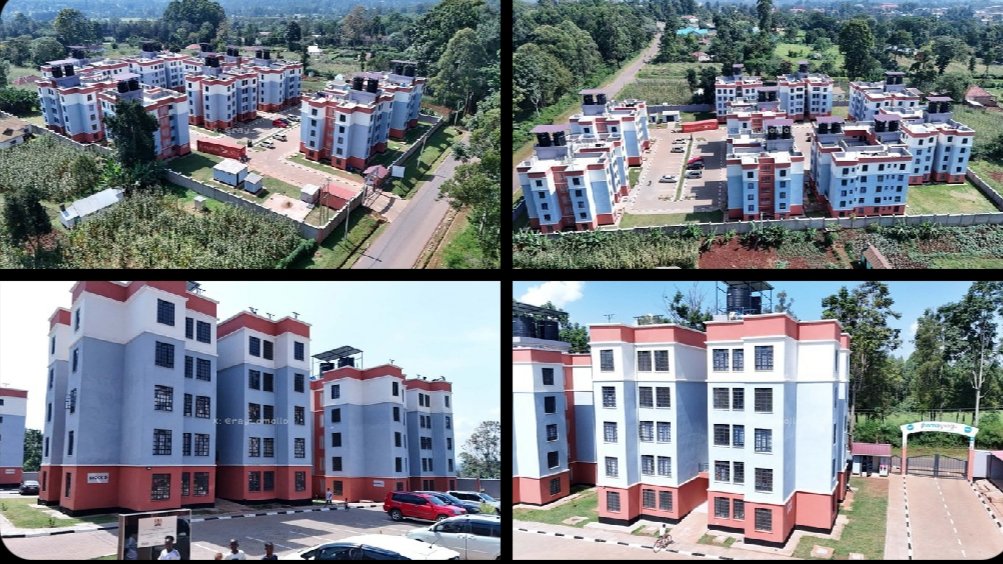

Phase I of the Boma Yangu Milimani Affordable Housing Project in Kakamega County has recorded encouraging uptake since its commissioning. President William Ruto formally opened the initial section in March 2026. Of the 220 units completed so far, 115 have been occupied, with more homeowners moving in steadily.
The estate features modern housing complemented by practical amenities. Paved walkways, access roads, ample parking, landscaped green spaces, shared recreational areas, and comprehensive lighting contribute to both functionality and security. These elements aim to provide dignified living conditions that go beyond basic shelter.
The wider project encompasses 13 multi-storey blocks and will eventually deliver 1,891 homes. Construction of Phase II is underway, promising additional units in the coming months. The development forms part of the national affordable housing initiative that seeks to address urban and peri-urban shelter shortages while stimulating economic activity.
Kenyans interested in the remaining units can apply through the Boma Yangu portal. The online platform has become the primary channel for accessing government-backed housing schemes across the country. Transparent allocation processes are intended to build public confidence in the programme.
Local economic benefits have already materialised. The project has created sustained employment for youth, artisans, material suppliers, and service providers in Kakamega County. Such opportunities help circulate money within the region and support related businesses. Similar patterns have been observed at other Boma Yangu sites where construction activity boosts nearby commerce.
The State Department for Internal Security and National Administration has played a coordinating role. It has focused on security arrangements, protection of project materials and infrastructure, and maintenance of a stable environment for uninterrupted works. Safe delivery of large public projects remains a priority given the scale of investment and number of people involved.
Kakamega, like many counties, faces growing demand for formal housing as populations increase and urbanisation accelerates. The Milimani project contributes to meeting that need while setting standards for integrated development. Features such as green spaces and adequate lighting address both livability and safety concerns that residents often raise.
Kenya’s affordable housing programme has expanded significantly in recent years. Multiple counties now host similar estates at various stages of completion. Challenges remain around financing, land availability, and matching supply with effective demand. Yet projects that reach commissioning stage and achieve reasonable occupancy rates demonstrate progress.
Phase I success at Milimani could encourage faster uptake in subsequent sections. Word-of-mouth among early residents, combined with visible amenities, often influences decisions by potential buyers. The presence of paved infrastructure and functional services from the outset differentiates these developments from many informal settlements.
Construction of the full 1,891 units will require continued coordination among national and county agencies, contractors, and financiers. Timely completion of remaining phases will determine the project’s overall impact on Kakamega’s housing landscape.
For the construction industry, such government-led schemes provide steady workloads and opportunities to showcase capabilities in multi-storey residential building. They also drive demand for local materials and skilled labour, contributing to sector growth.
The Milimani development reflects broader ambitions to transform living conditions while generating economic multipliers. If later phases maintain the momentum seen in the first, the estate could serve as a model for similar initiatives elsewhere.
Comments (0)
Leave a Comment
No comments yet. Be the first to share your thoughts!