
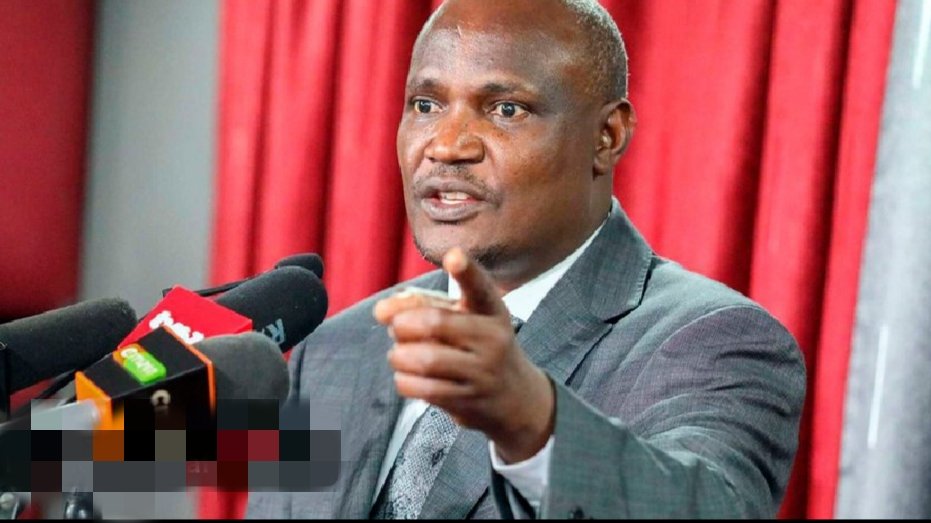

The National Treasury will introduce a Tax Amendments Bill in September to reduce the tax burden on salaried workers. Cabinet Secretary John Mbadi announced the move amid growing public frustration over shrinking payslips. Several mandatory deductions, including the Affordable Housing Levy and Social Health Insurance Fund contributions, have intensified pressure on take-home pay.
Mbadi explained that broader proposals emerged during public participation on the Finance Bill 2026. The government’s initial idea of raising the tax-free threshold from Sh24,000 to Sh30,000 was overtaken by wider suggestions, including across-the-board reductions in Pay As You Earn rates. These will now be consolidated into separate legislation.
The Treasury chief said public engagements on the details will continue in August. Final proposals will require President William Ruto’s approval before being tabled. The timing, less than a year before the 2027 General Election, adds political weight to the relief measures.
Parliament has pushed for reforms. The National Assembly’s Finance Committee recommended increasing personal tax relief from Sh2,400 to Sh3,000 monthly while reviewing all income tax bands. Stakeholders including the Institute of Certified Public Accountants of Kenya, Kenya Bankers Association, and Law Society of Kenya supported overhauls during hearings.
Current PAYE bands have drawn criticism for being too narrow. Lower and middle-income earners quickly move into higher brackets. Proposals include lowering the entry rate to 10 percent on the first Sh30,000, 15 percent on the next Sh30,000, and capping the top rate at 30 percent for incomes above Sh500,000. The highest rate currently stands at 35 percent on earnings over Sh800,000 monthly.
The Treasury had previously resisted deep PAYE cuts, citing potential revenue losses of around Sh35 billion annually. Global economic shocks and domestic spending pressures complicated the picture. Halving VAT on petroleum products, for instance, already created a Sh32 billion shortfall. President Ruto nevertheless directed that payroll relief should proceed.
The announcement marks a policy shift. Earlier reluctance has given way to concrete plans for legislative action. Salaried workers, who form a significant tax base, have borne much of the adjustment following introduction of new levies.
For Kenya’s construction and infrastructure sectors, the outcome matters. Many projects rely on skilled professionals and artisans whose take-home pay influences morale and retention. Reduced tax pressure could ease living costs and indirectly support productivity on sites where labour shortages sometimes occur.
Broader economic implications are significant. Higher disposable income for middle-class households tends to boost consumption, retail activity, and demand for housing. The timing of relief could influence spending patterns in the run-up to the election cycle.
Details of the final package remain subject to further consultation. Mbadi’s commitment to public engagement suggests an attempt to build consensus around the measures. How effectively the changes are designed and communicated will determine whether they deliver meaningful relief or simply shift fiscal pressures elsewhere.
Comments (0)
Leave a Comment
No comments yet. Be the first to share your thoughts!