
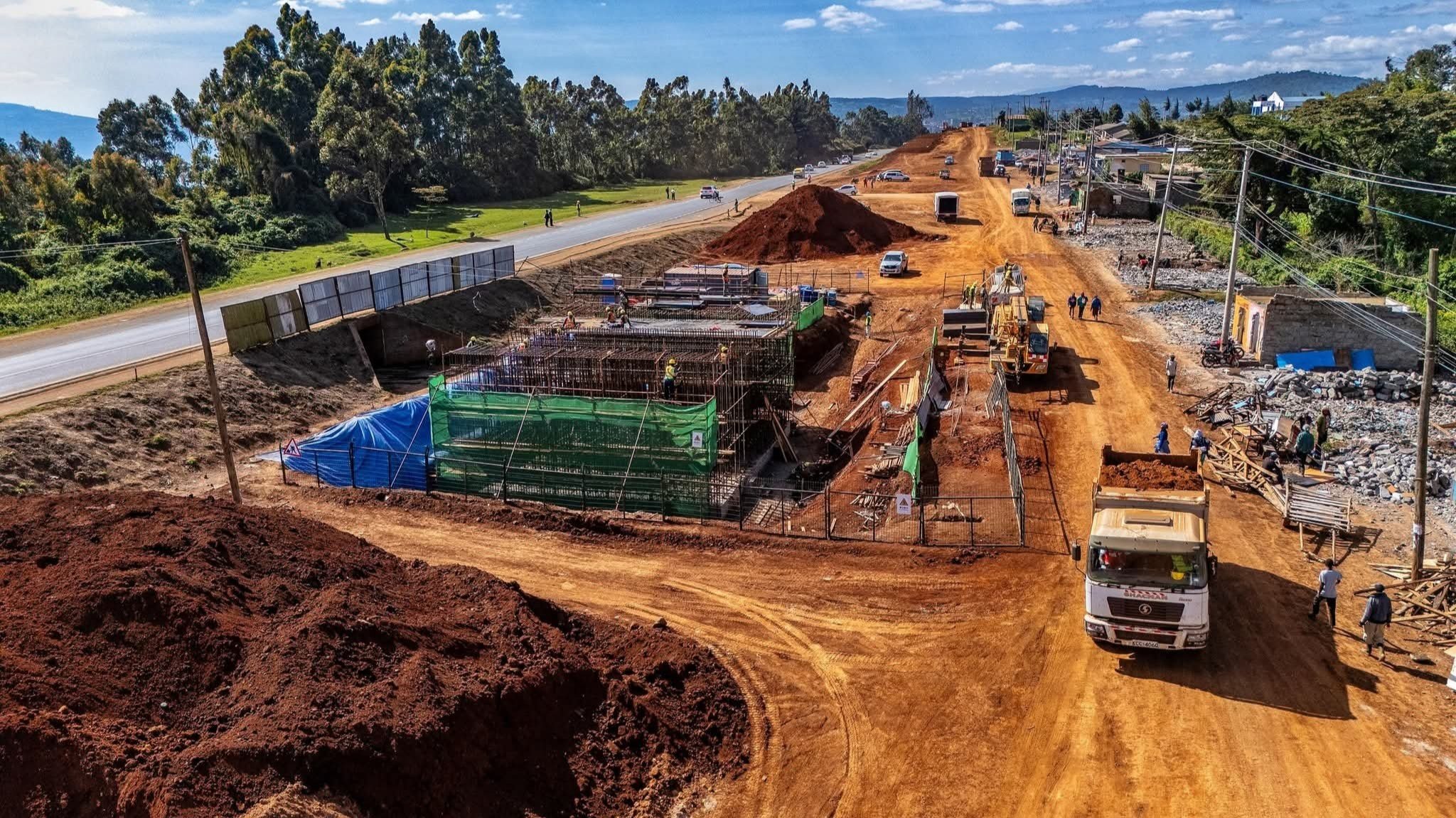

Deputy President Kithure Kindiki spent Monday inspecting dualling works at Kirenga and Manguo in Kiambu County. He praised the visible momentum on the long-awaited expansion of the Rironi to Mau Summit road.
The visit came on the same day a nine-vehicle crash at Karai claimed the life of Nyandarua County Criminal Investigations Officer John Rioba. That tragedy underscored the safety improvements the upgraded road is designed to deliver.
The project covers roughly 175 kilometres from Rironi through Naivasha and Nakuru to Mau Summit. It will convert the existing single carriageway into a four-lane dual road, with selected sections widened to six lanes to handle peak traffic.
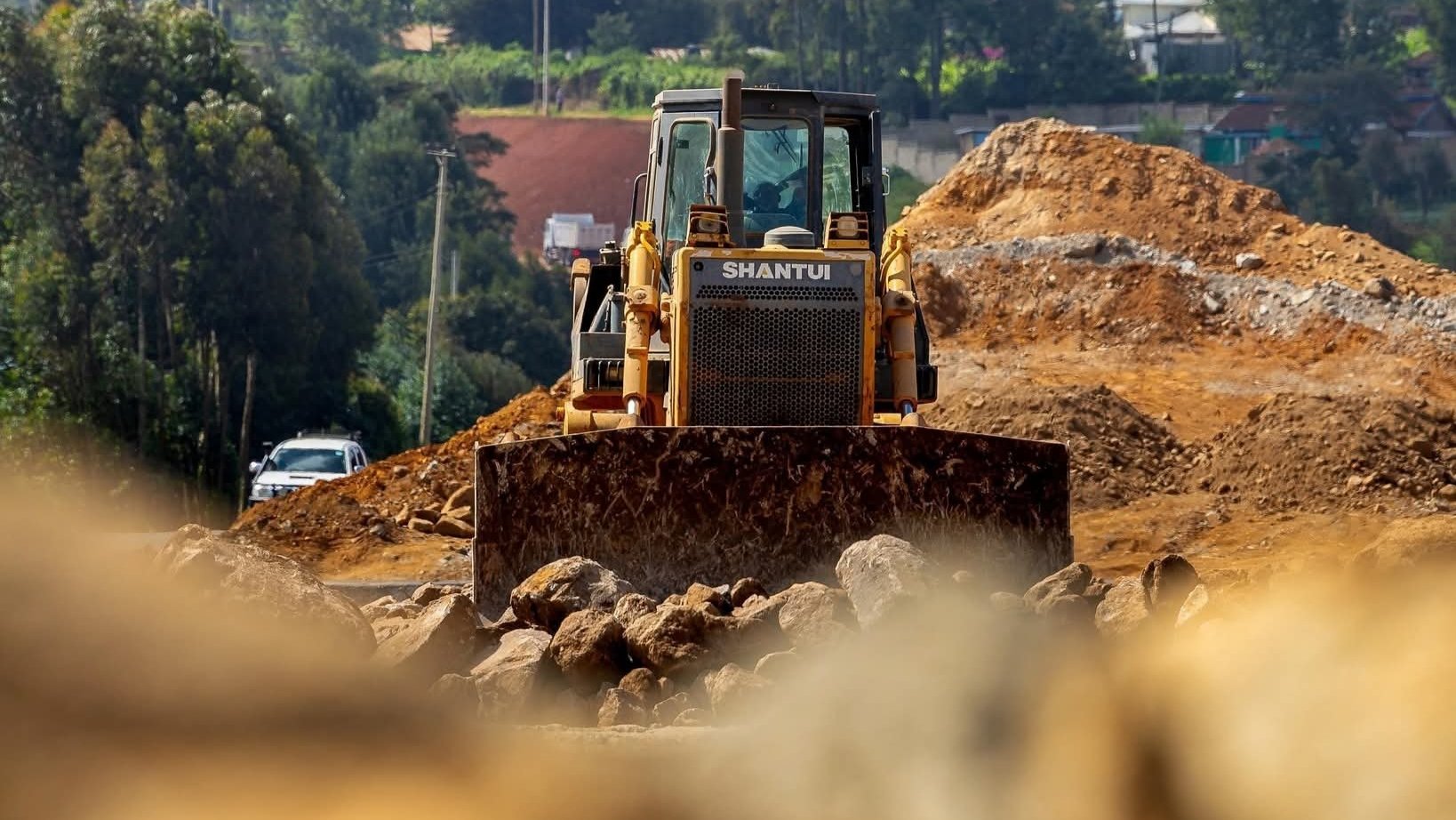
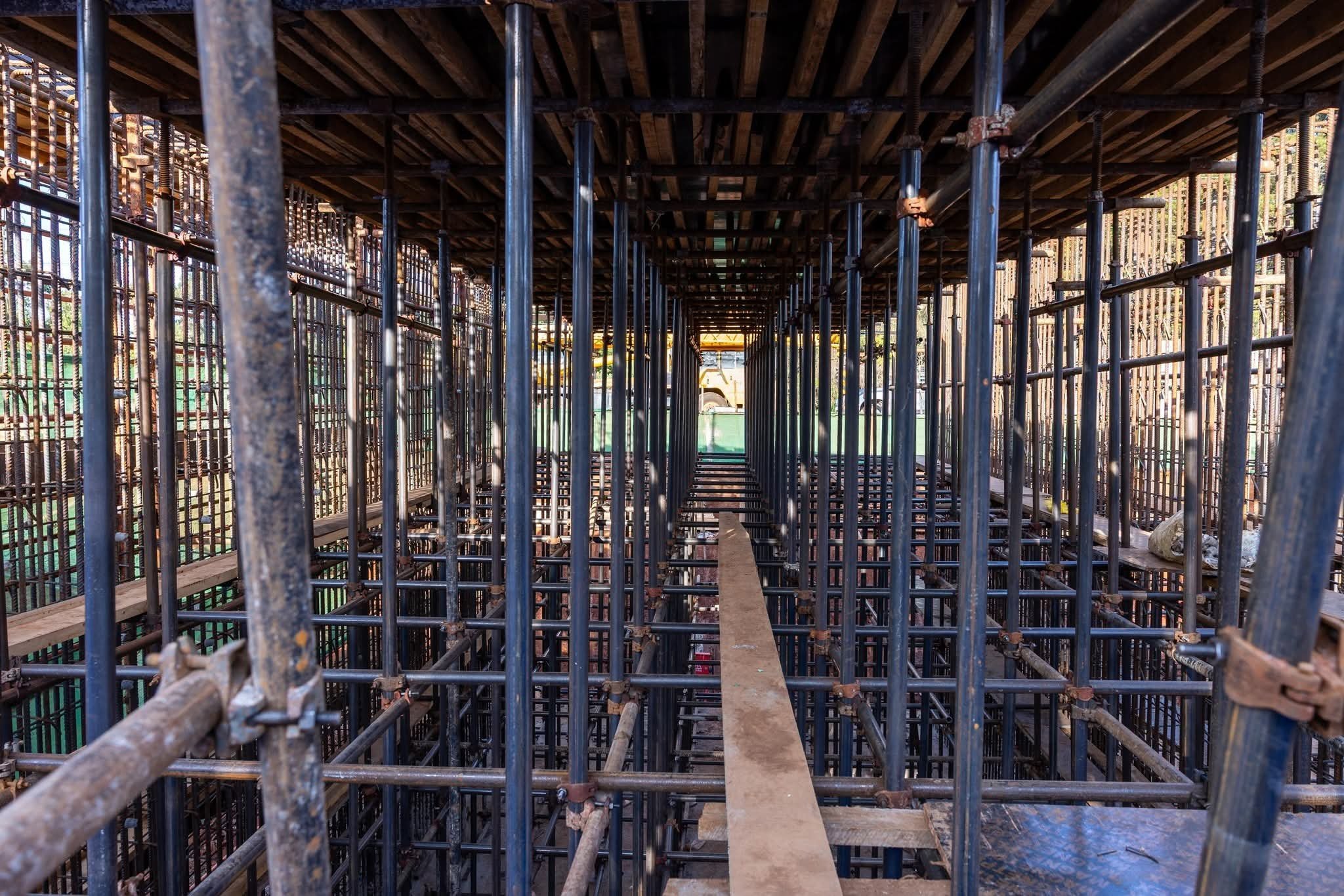
A linked 58-kilometre component covers upgrades on the Rironi-Maai Mahiu-Naivasha stretch. President William Ruto launched the initiative in late November 2025. Contractors have since mobilised equipment and begun earthworks, new alignments and structural work alongside the live highway.
Kindiki said the completed dual carriageway will address chronic traffic snarl-ups, lost travel time and the fatal crashes that have marked the busy Northern Corridor route for years.
Earth /Handout
The target completion date stands at June 2027. Some sections are scheduled to open earlier once individual phases reach practical completion and safety audits are cleared.
Once finished, the road is expected to shorten journey times between Nairobi and Nakuru while separating opposing traffic flows. Improved geometry, better drainage and wider lanes form core elements of the safety upgrades.
The corridor carries heavy commercial and passenger traffic daily. Faster, safer movement is projected to support trade within Kenya and across East and Central Africa through the Northern Corridor.
Kindiki described the progress as a welcome development after decades of stalled plans. He noted the road will expand economic opportunities, protect lives and strengthen regional links once toll operations begin.
Chuma /Handout
Construction activity remains intense with excavators, tippers and graders reshaping the terrain. Temporary diversions keep traffic moving while new lanes take shape in several locations.
The dualling sits within wider national efforts to modernise trunk roads. Similar capacity and safety improvements are advancing on other high-volume routes facing comparable pressures.
Regular users of the highway have noted the visible change. Many have long complained about slow progress through single-carriageway bottlenecks and risky overtaking manoeuvres.
Further milestones on individual sections are expected in the coming months. Full project handover remains scheduled for mid-2027 under the current programme.
Comments (0)
Leave a Comment
No comments yet. Be the first to share your thoughts!