
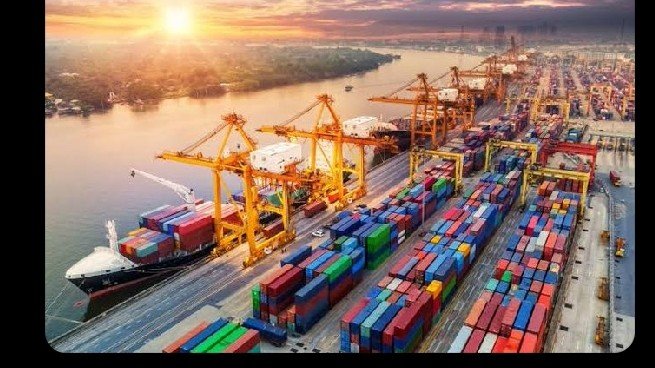

Kenya’s position as a regional trade hub relies heavily on the efficiency of its transport infrastructure and the Port of Mombasa stands at the heart of this system. As the country’s largest and busiest port, it handles the majority of imports and exports for Kenya and neighboring landlocked countries such as Uganda, Rwanda, South Sudan and the Democratic Republic of Congo. With cargo volumes continuing to rise each year, the need to expand and modernize the port has become a pressing matter that requires national attention.
Over the past decade, the Port of Mombasa has seen significant growth in both container traffic and bulk cargo. This increase reflects the overall expansion of the Kenyan economy, rising demand for imported goods, and the growth of local industries exporting products such as tea, coffee, horticulture and manufactured goods. However, the port’s current infrastructure has reached a point where congestion and delays are becoming frequent, affecting the efficiency of supply chains and increasing costs for exporters and importers alike. Reducing turnaround times for vessels and cargo is no longer optional but essential for maintaining Kenya’s competitiveness in the region.
Investment in port expansion has the potential to transform Kenya into the primary export hub for East and Central Africa. Expanding berth capacity, improving storage facilities, and modernizing cargo handling equipment can significantly increase throughput and reduce waiting times for ships. Additionally, integrating digital solutions for tracking cargo and streamlining customs processes can create a smoother flow of goods, benefitting both local businesses and international trade partners. Efficient port operations can also attract more shipping lines and encourage larger vessels to call at Mombasa, further strengthening the country’s trade position.
While airports have often been the focus of infrastructure discussions, ports play an equally critical role in the movement of goods. Airports primarily serve passengers and high value cargo, but the majority of Kenya’s trade relies on maritime transport. Prioritizing port expansion can complement airport development, ensuring a balanced approach to infrastructure growth. By improving the Port of Mombasa, Kenya can reduce logistical bottlenecks, support industrial growth and create a more predictable environment for exporters and investors.
The benefits of expanding the port extend beyond cargo efficiency. Enhanced port infrastructure can stimulate job creation, both directly within the port and indirectly through related industries such as logistics, warehousing, and manufacturing. Local communities can benefit from improved transport networks and increased economic activity in surrounding areas. Moreover, as the port becomes more competitive, Kenya can strengthen its position as a trade gateway, attracting regional and international investments in sectors that rely on reliable import and export channels.
Environmental and operational considerations must also guide the expansion process. Modernizing the port provides an opportunity to adopt greener technologies, optimize fuel consumption for vessels, and reduce emissions associated with cargo handling. Proper planning can ensure that the expansion is sustainable and resilient, capable of supporting growing trade volumes without causing undue harm to the local environment. Balancing efficiency with environmental responsibility will be key to long-term success.
In conclusion, the Port of Mombasa is central to Kenya’s economic growth and regional trade influence. As cargo volumes continue to increase, expanding and modernizing the port is essential to reduce delays, improve efficiency, and position the country as the primary export hub of the region. Focusing on ports alongside airports ensures a comprehensive approach to infrastructure development, supporting businesses, creating jobs and strengthening Kenya’s competitive advantage. A modern, efficient and sustainable port will not only serve the country’s immediate trade needs but also secure its place as a regional gateway for decades to come.
Comments (0)
Leave a Comment
No comments yet. Be the first to share your thoughts!