

The new multi-storey market project at Gikomba has triggered intense public debate. Critics are highlighting major concerns over plans to place business premises on the upper floors of the building.

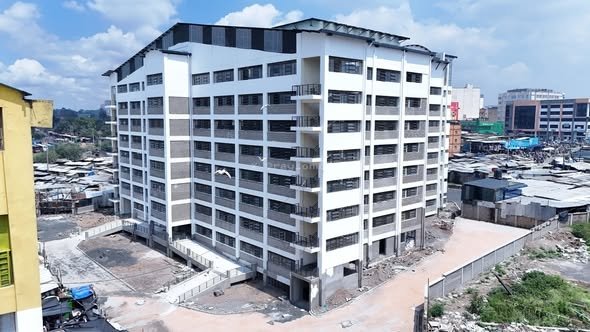
Gikomba aerial view
Key issues raised include the impracticality of traders receiving goods at ground level and then hauling them manually to higher floors on a daily basis. Customers are also unlikely to regularly climb stairs or use elevators to reach upper-level shops when plenty of options exist at street level, unless goods are offered at significantly lower prices.
The design has further been criticised for potentially limiting opportunities for new market entrants. Many, including industry commentator and contractor Boss Yator, fear that upper-floor units will be reserved for already established operators, reducing space for emerging traders in one of East Africa’s busiest second-hand clothing and general merchandise hubs.
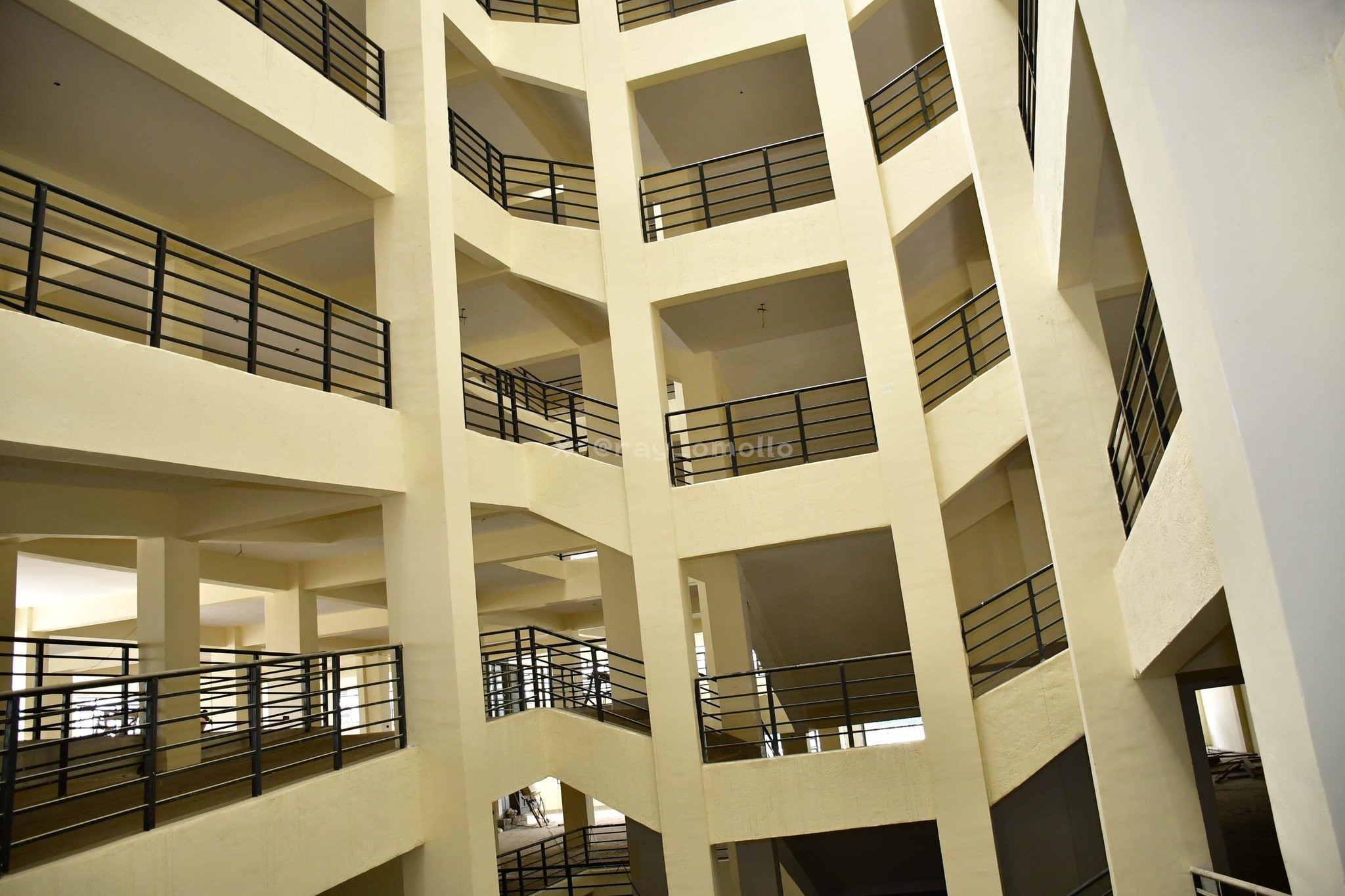
Inside the structure
Another major point centres on the rotational nature of trading at Gikomba. Many operators move between different markets on different days chasing “siku ya soko” opportunities. A fixed monthly rent model in a permanent high-rise structure could disadvantage these mobile traders.
Recent photos of the project show a large modern white multi-level building with multiple floors of shop units, balconies and repetitive facades rising above the surrounding informal market area. The development is intended to replace the congested low-rise sprawl with a more organised facility offering better fire safety and flood resilience.
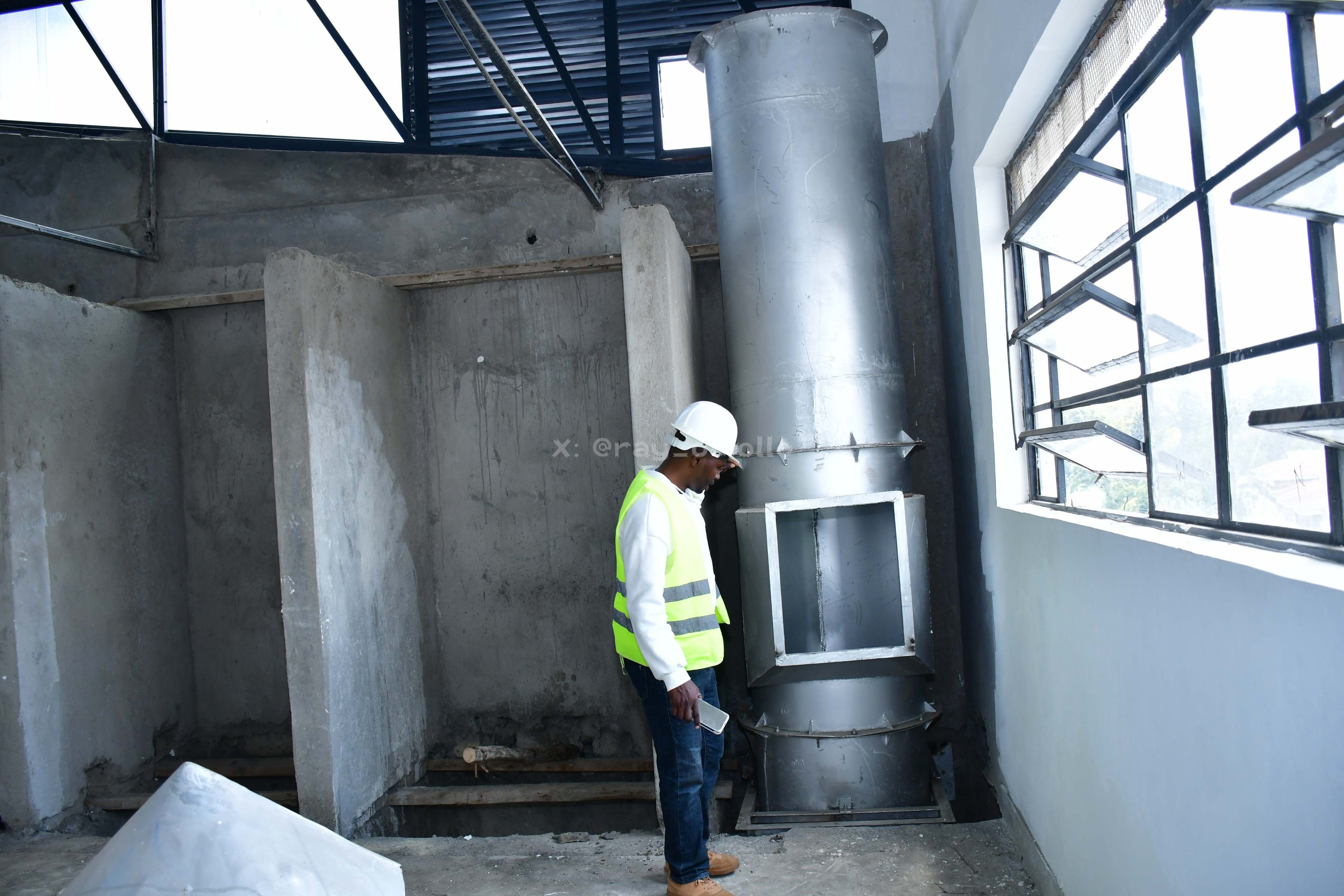
MEP systems installation on site
However, the vertical design has clashed with the traditional trading dynamics that rely heavily on street-level visibility, quick access and high foot traffic. Similar challenges have emerged in other market redevelopment projects across Kenyan towns where high-rise concepts struggled to preserve commercial vibrancy.
Proponents argue the project represents necessary modernisation for a safer and more structured marketplace. Yet the strength of the current debate reflects deep anxiety about potential disruption to livelihoods for thousands of people who depend on Gikomba’s low-cost, high-access model.
As construction advances, attention is turning to how stall allocation and floor usage will be managed. The long-term success of the new Gikomba market may hinge on ensuring sufficient trading activity remains viable on lower levels.
Comments (0)
Leave a Comment
No comments yet. Be the first to share your thoughts!