
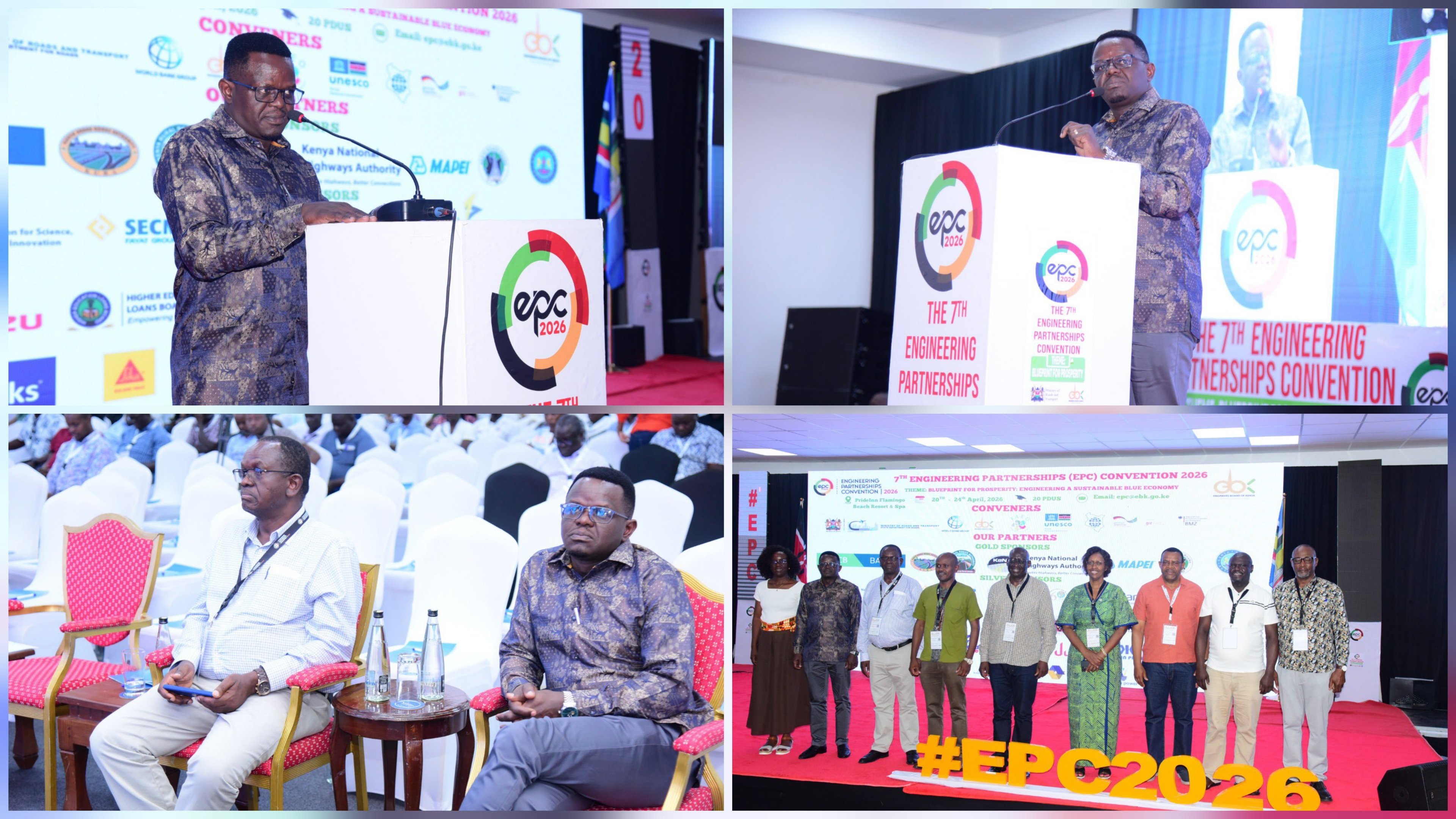

The Engineering Partnerships Convention 2026 concluded its final sessions this week, with deliberations centering on the integration of marine infrastructure into a unified economic system. Leaders from the engineering, investment, and policy sectors met to evaluate how maritime assets can be better aligned with industrial production and global market access.
Eng. Kefa Seda confirmed that the discussions focused on structuring coastal activities within integrated value chains. This approach aims to link production and processing directly to shipping hubs, creating a more cohesive flow for both domestic and export corridors.
A primary concern during the convention was the physical alignment of port infrastructure with coastal industrial platforms. Delegates noted that for maritime assets to sustain real economic activity, they must be configured to support specific cargo flows and production geographies, rather than operating as isolated installations.
The blue economy agenda has become increasingly specific, with a sharpened focus on aquaculture, mariculture, shipping, and the development of cold chain systems. These sectors are viewed as the primary drivers for enhancing the national balance of trade, provided the underlying infrastructure is robust enough to handle increased volumes.
Operating conditions, specifically the availability and cost of energy, were identified as the critical factors shaping the efficiency of these maritime activities. Engineering experts argued that the abundance of energy will ultimately determine the pricing and global competitiveness of Kenya’s blue economy exports.
Financing remains a significant hurdle for large-scale marine and logistics projects. However, the convention highlighted Public-Private Partnerships as the central mechanism for resolving delivery constraints. By utilizing proper project structuring and clear revenue frameworks, the government intends to attract more private capital into the ecosystem.
Eng. Seda noted that enforceable performance obligations and disciplined risk allocation are necessary to provide the security required by private investors. Without these legal and financial safeguards, the transition from design to construction often remains stalled.
Complementing private investment, the National Infrastructure Fund is expected to deploy long-term domestic capital. This fund is designed to strengthen project preparation and expand the pipeline of investable projects, ensuring that designs are not only technically sound but also financially viable.
The coordination between infrastructure design and financing models is currently being used to unlock delivery across the wider economy. As the convention closed, the consensus remained that the integration of value chains is the only sustainable way to manage the complexities of modern maritime logistics.
With the 2026 convention now concluded, the focus shifts to the implementation of these industrial platforms. The success of these initiatives will depend on how effectively the proposed PPP frameworks can be applied to the unique demands of marine and industrial infrastructure.
Comments (0)
Leave a Comment
No comments yet. Be the first to share your thoughts!