
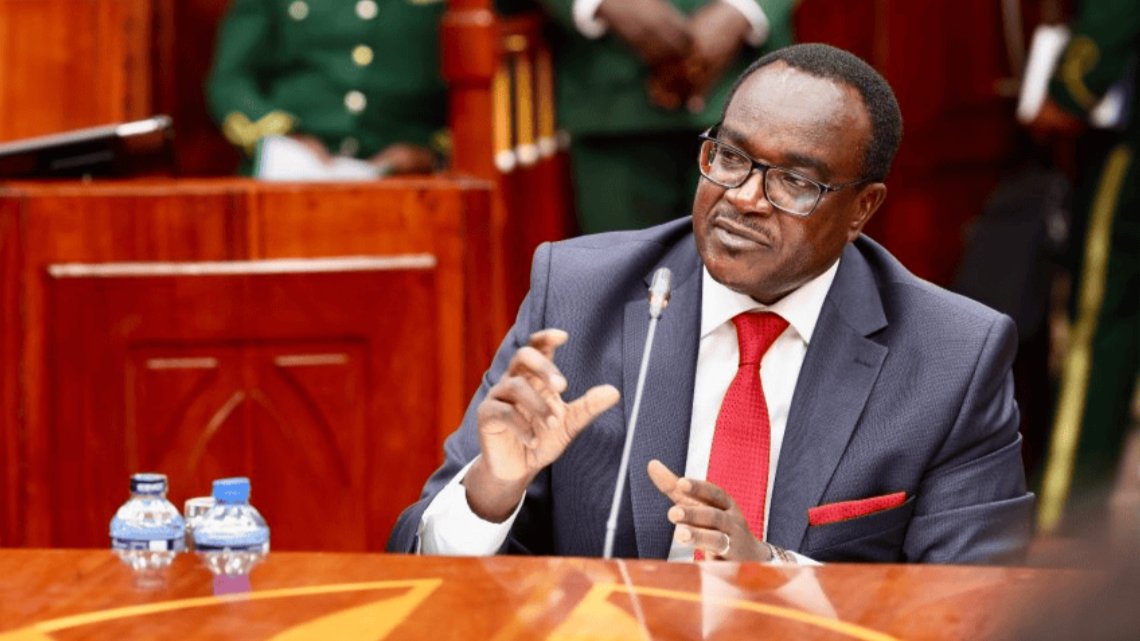

The Ministry of Education, through CS Ogamba, has announced a significant allocation of KSh 1.3 billion in the current financial year to bolster school infrastructure development across the country. This funding is critical and directly addresses the "additional pressures on school infrastructures" resulting from the government's steadfast policy of 100% transition, which continuously drives up student enrollment. Beyond general reliance on the National Government and Constituency Development Fund (CDF), the Ministry has adopted a deliberate, multi-pronged strategy to develop and maintain these vital facilities.
This strategy involves more than just the new targeted budgetary allocations; it also incorporates earmarking specific amounts from the general school funds for facility upkeep and maintenance. For example, Ksh 4,000 per learner is dedicated specifically to infrastructure development, while in secondary schools, a separate Ksh 5,000 is earmarked for crucial repairs, maintenance, and improvement projects. These funds ensure a steady, internal resource for managing the physical learning environment.
Furthermore, the Ministry actively mobilizes resources from both local and international development partners to supplement the national budget. Past successes include support from the World Bank for the construction of Grade 9 classrooms, and ongoing collaborations demonstrate this commitment. Currently, the Ministry is working with organizations such as the Kuwaiti Fund and the Safaricom Foundation to secure additional funding and support for school infrastructure development across various regions.
Finally, a major component of the Ministry's plan is fostering community and governmental cooperation. Schools are strongly encouraged to implement alumni-led infrastructure development initiatives, which prompt stakeholders to raise funds or contribute materials and labor, ultimately improving amenities and fostering a sense of local ownership and responsibility.
Complementing this community involvement is a key intergovernmental partnership agreement, which the Ministry entered into with county governments in May of the current year, aimed at supporting the education budget in various localized programs such as BAERS. These comprehensive measures collectively underscore the government's commitment to ensuring that the successful 100% transition policy is sustainably supported by adequate and well-maintained physical learning environments nationwide.
Comments (6)
Leave a Comment
Steel Toe
Oct 04Sasahost Ke ✓
Oct 04Sasahost Ke ✓
Oct 04Sasahost Ke ✓
Oct 04Loading more comments...