
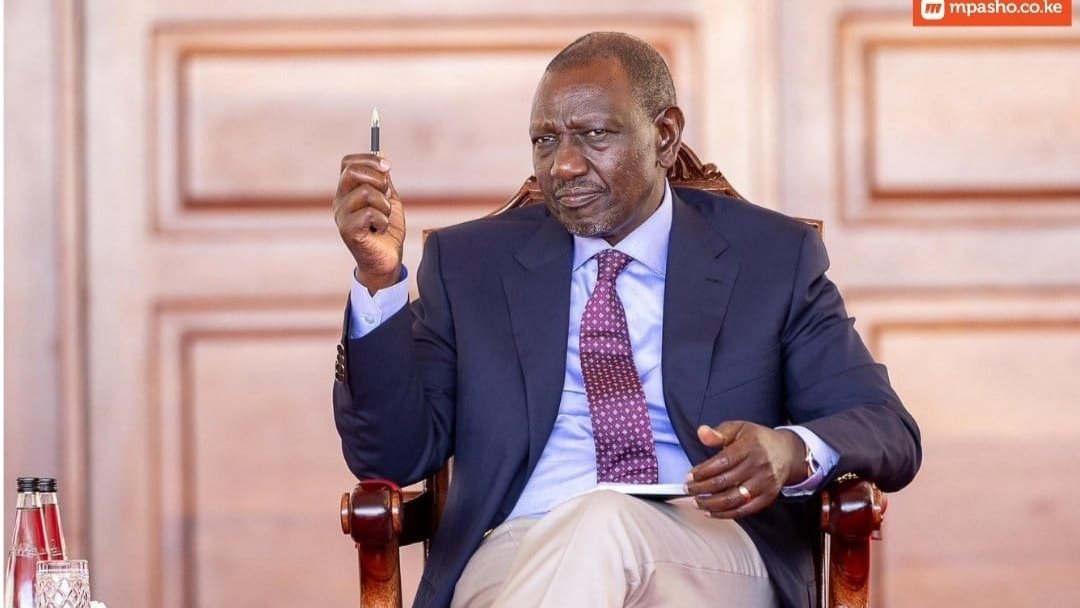

President William Ruto told an audience on February 4, 2026, that construction of a new airport in Nairobi would start before June. He stressed the project would draw on Kenyan resources alone. "Before June, you will see me launching the construction of a new airport," Ruto said. "It will be funded by Kenyans. We will also build the railway from Suswa and we won't borrow any money, we will use our brains."
The statement, delivered during what appeared to be a public address, ties into repeated government commitments to expand aviation and rail infrastructure. Ruto has mentioned the airport plan several times in recent months. In his New Year message and speeches in Nyeri and elsewhere, he described it as a modern facility at or linked to Jomo Kenyatta International Airport (JKIA) to ease congestion and reinforce Kenya's position in regional air travel. Earlier remarks pointed to a possible April or May start, though the February update pushes the visible launch to before mid-year.
No precise location details emerged in the latest comments, but prior announcements framed the work as an expansion or new build at JKIA to add capacity through extra terminals, runways, or related facilities. The Kenya Airports Authority handles JKIA operations and has pursued modernization tenders, including recent bids for upgrades across major airports. Past efforts to partner with private firms fell through in 2024, shifting focus to domestic financing routes like the sovereign wealth fund or other internal mechanisms.
The railway mention centers on Suswa, the current western terminus of the Standard Gauge Railway passenger service from Mombasa via Nairobi and Naivasha. Passenger operations reached Suswa in late 2019, with freight continuing to the Naivasha Inland Container Depot. Extending from there westward has featured in long-term SGR plans since the project's inception. The route targets Kisumu, passing through Narok, Bomet, Kericho, Nyamira, and other counties before reaching Kisumu, with further phases eyed toward Malaba at the Uganda border.
Government statements from late 2025 set January 2026 as the target start for the Naivasha-to-Kisumu-to-Malaba extension, though preparatory work like land assessments, designs, environmental reviews, and financing continues. Ruto's reference to building from Suswa aligns with this corridor, where the line would connect coastal ports to the western interior and potentially link with Uganda's rail network. Funding discussions have included the railway development levy on imports, avoiding new external debt.
Both projects reflect the administration's emphasis on self-financed mega developments amid fiscal pressures. Ruto has repeatedly highlighted using local ingenuity over loans, a shift from the original SGR phases that relied heavily on Chinese financing. Critics have questioned timelines and delivery, given past delays on similar commitments, while supporters point to ongoing infrastructure momentum in roads, housing, and other sectors.
JKIA remains East Africa's primary international gateway, handling rising passenger and cargo volumes from tourism, exports like flowers and tea, and transit traffic. Congestion during peaks has prompted calls for added infrastructure, though urban constraints limit on-site growth. A new or expanded facility could support ambitions to rival hubs in Ethiopia and elsewhere.
For the SGR extension, the southern alignment via Narok and Bomet was chosen after evaluations showed cost advantages over alternatives through Nakuru or Eldoret. The full line to Kisumu and Malaba could cut road haulage, lower goods transport costs, and create construction jobs across rural counties. Estimates for the western phases run into hundreds of billions of shillings, with phased implementation expected.
Public responses online have varied, from backing the no-borrowing approach to doubts about execution speed and funding realism. Some posts noted unfinished prior promises, including road works in other regions. The February 4 remarks came amid a series of infrastructure announcements, keeping transport upgrades prominent in national discourse.
Details on contractors, exact budgets, or procurement for these specific elements stayed absent from the speech. If the pre-June timeline for the airport holds, site clearing or initial works could follow shortly after any formal groundbreaking. The Suswa rail push, if tied to the broader January start window, may already involve advance preparations.
These pledges fit a pattern of high-visibility project launches in 2025-2026. Whether they materialize on schedule will hinge on funding flows, regulatory clearances, and execution capacity. For now, they signal continued government focus on connectivity to support trade, tourism, and regional integration.
Comments (0)
Leave a Comment
No comments yet. Be the first to share your thoughts!