
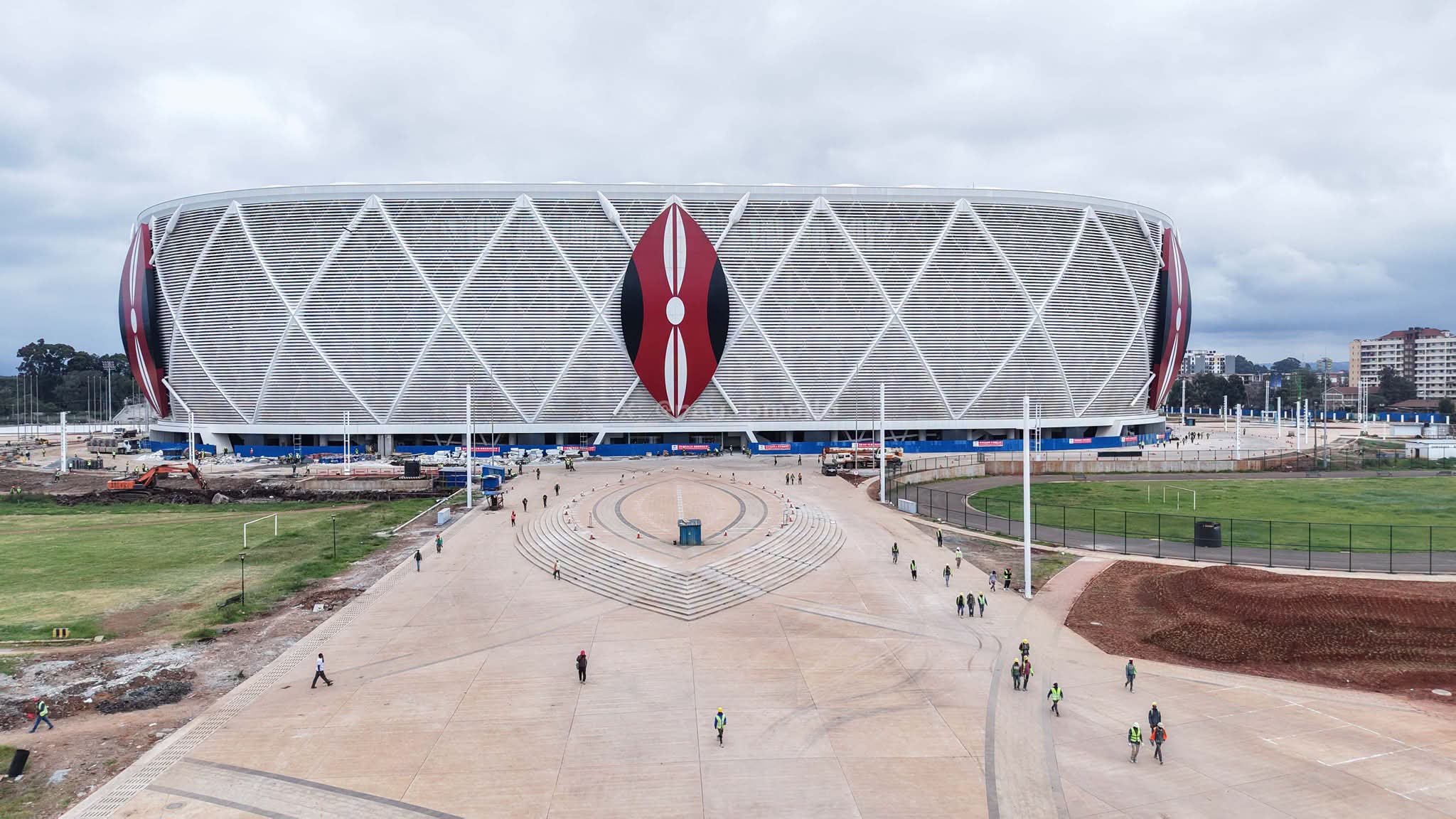

The stadium, long known as Talanta Stadium, is now frequently referred to as the Raila Odinga International Stadium by government officials as it enters its closing construction phase ahead of the 2027 Africa Cup of Nations. Located at the historic Jamhuri Grounds along Ngong Road in Nairobi, the facility is set to function as Kenya's main venue for the continental football tournament.
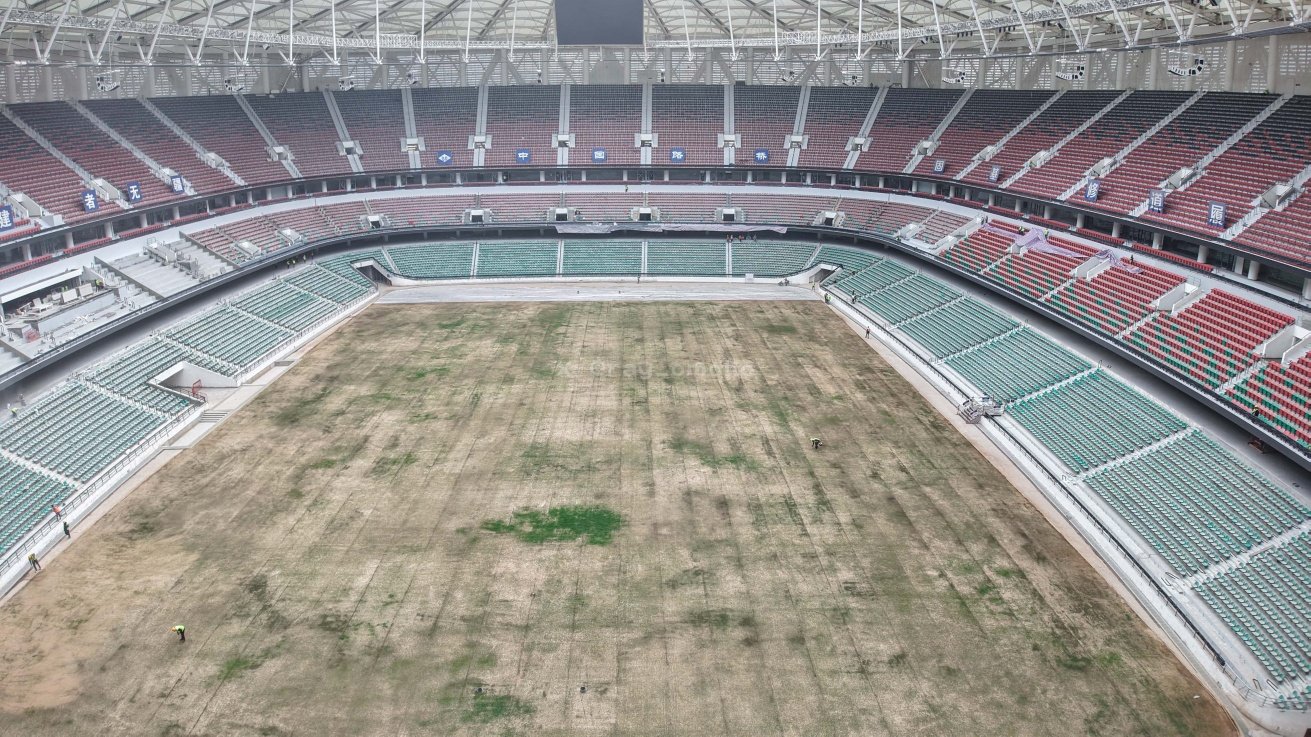
Tier 3 view at Talanta Stadium /Handout
Workers have completed major structural elements. Teams now focus on installing ICT systems, broadcast infrastructure, and spectator amenities. The 60,000-capacity arena rises as an ultra-modern structure designed primarily for football and rugby matches.
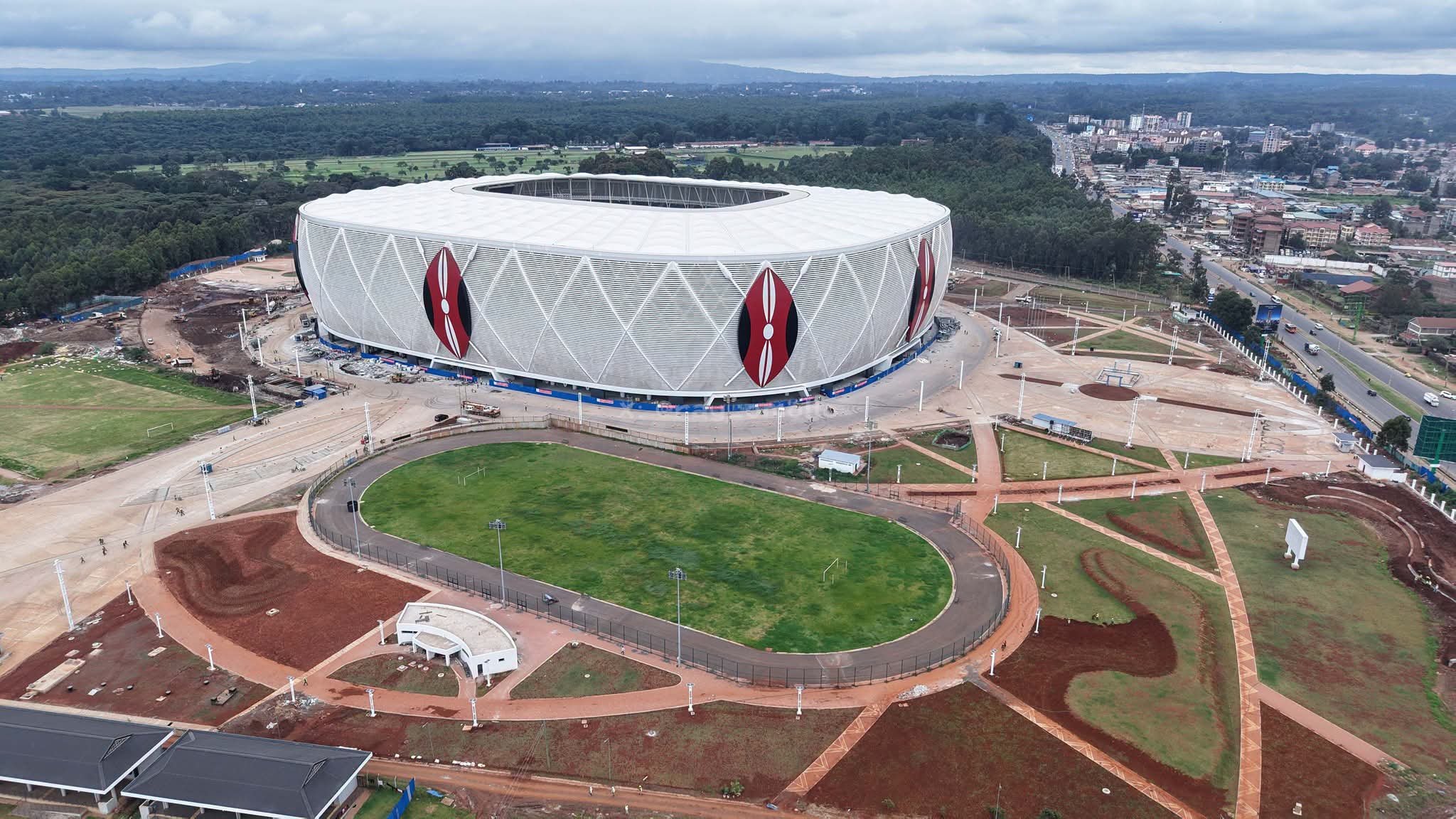
Talanta Stadium external amenities /Handout
The venue's stands sit close to the pitch to create an intense atmosphere for fans. The overall design takes cues from Maasai shield and spear patterns, giving the building a distinct local identity while meeting international standards.
Inside, the playing surface combines natural and synthetic elements for durability and performance. Engineers incorporated smart technologies throughout the complex. Solar power systems and rainwater harvesting form part of the sustainability features.
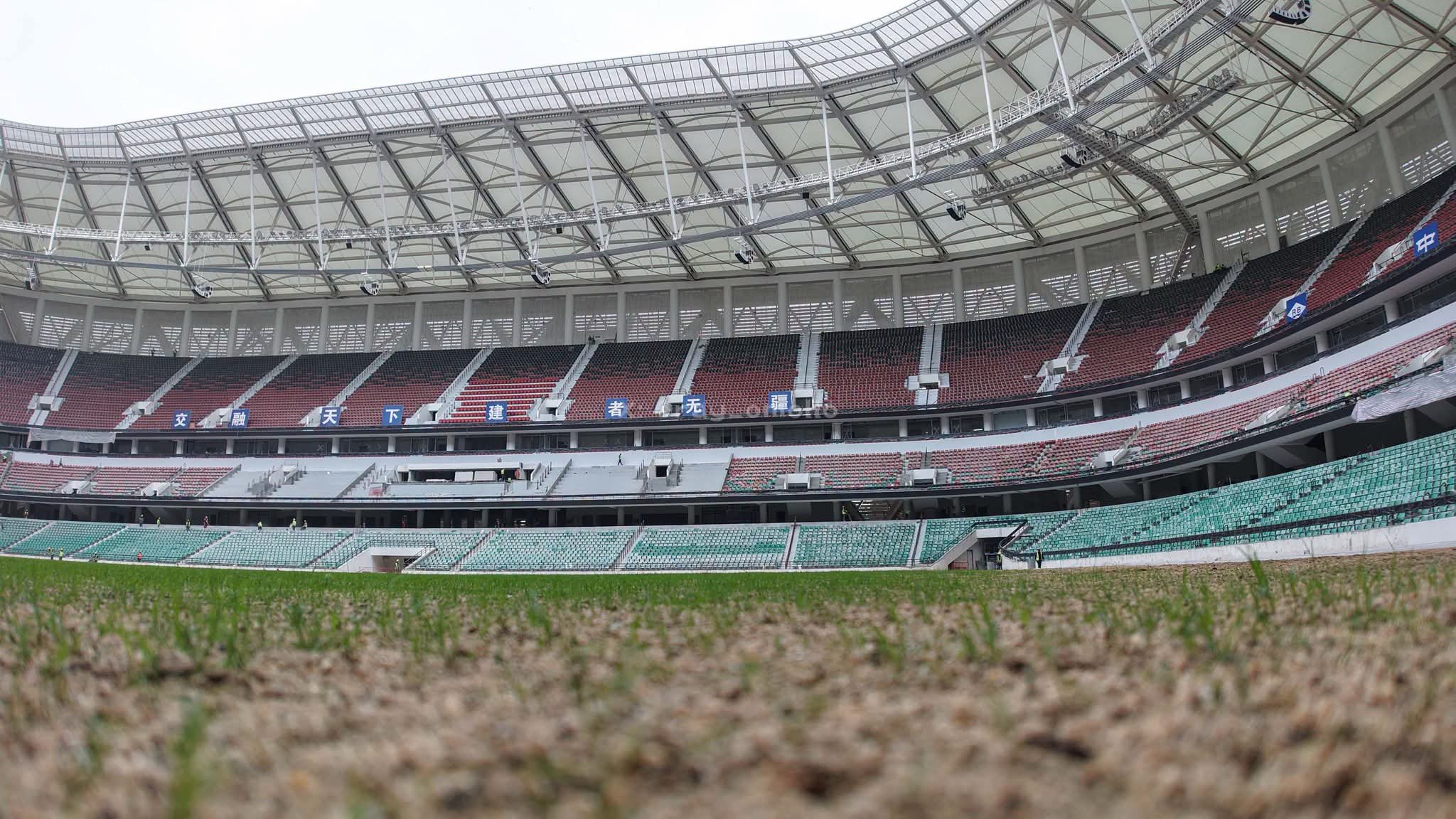
Pitch view at Raila Odinga International Stadium /Handout
The State Department for Internal Security and National Administration oversees aspects of the project that relate to operations. This includes multi-agency planning for event security, emergency responses, and crowd control needed for large-scale international events.
Recent aerial photographs show the stadium's white lattice exterior with prominent red, black, and white circular motifs echoing the Kenyan flag. Surrounding areas feature completed access roads, parking zones, support buildings, and green field bordered by fencing and lighting poles.
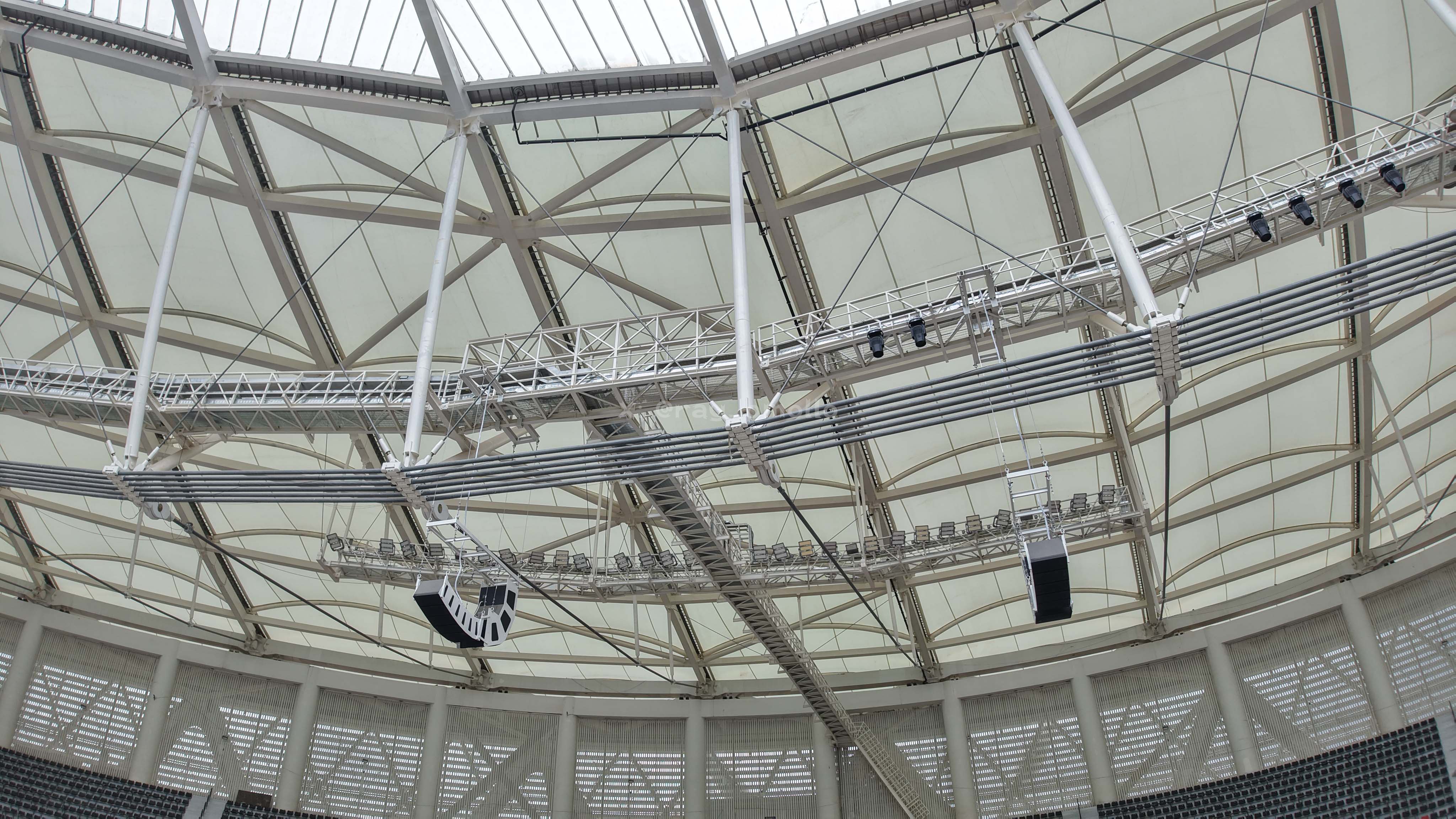
Under the Talanta Stadium canopy /Handout
Another view from within the bowl reveals tiered seating in red and green sections, with the pitch area still under preparation. The roof structure includes extensive steel trusses and lighting rigs suspended from the canopy, indicating advanced stage completion.
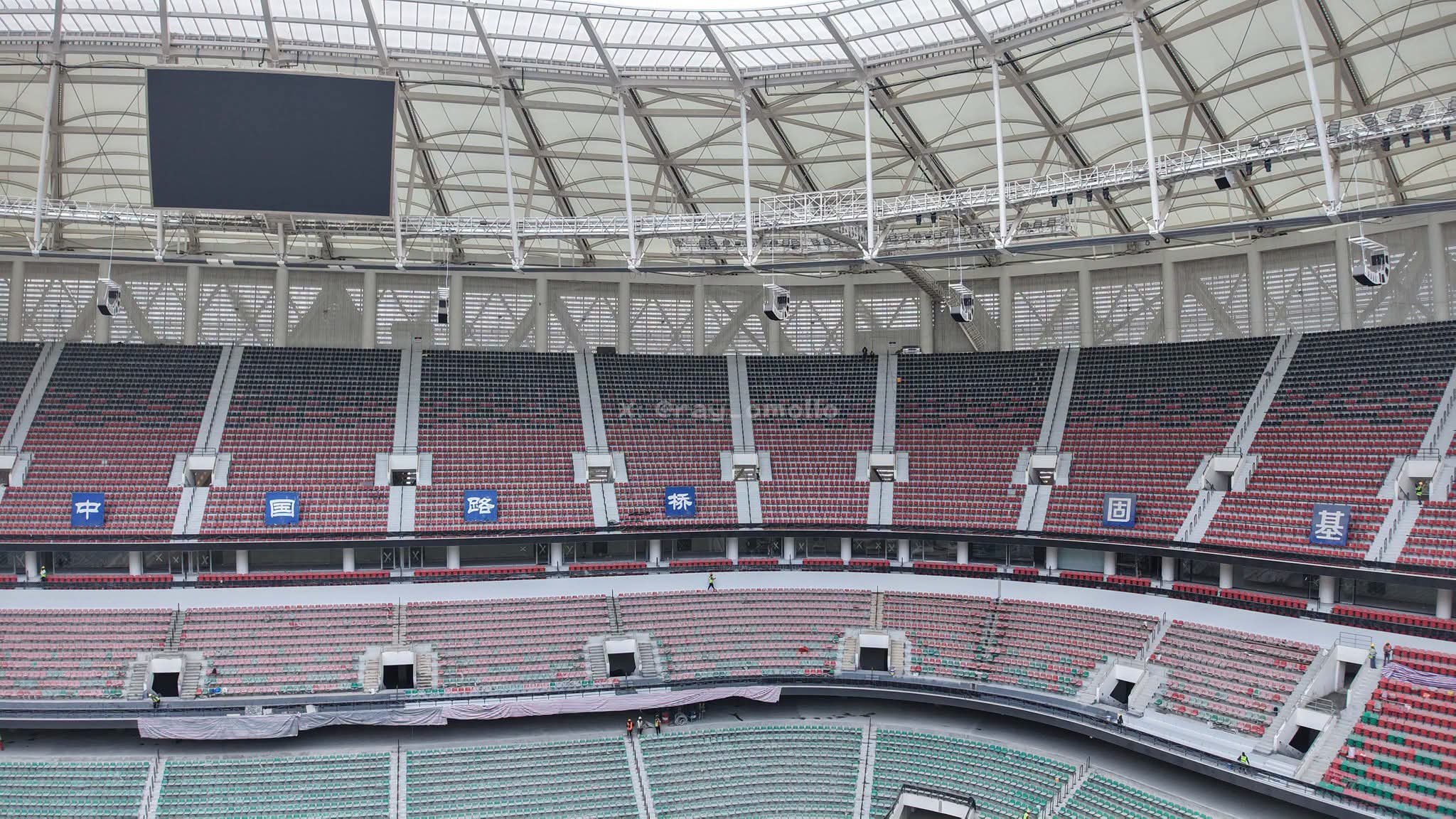
The stands at Talanta Stadium /Handout
Kenya will co-host the 2027 AFCON alongside other nations. This stadium represents a key part of the country's infrastructure push to accommodate thousands of spectators, media teams, and officials. Its location in the capital offers good connectivity to major transport links and hotels.
Construction progress reflects ongoing efforts to modernize sporting facilities. Similar projects elsewhere in Africa have shown how new venues can leave lasting legacies in urban planning and community use long after tournaments end.
Officials continue to monitor timelines closely. The final months typically involve testing of all systems, including emergency exits, concession areas, and media broadcast suites. Any remaining works on finishes and landscaping will need careful sequencing to avoid delays.
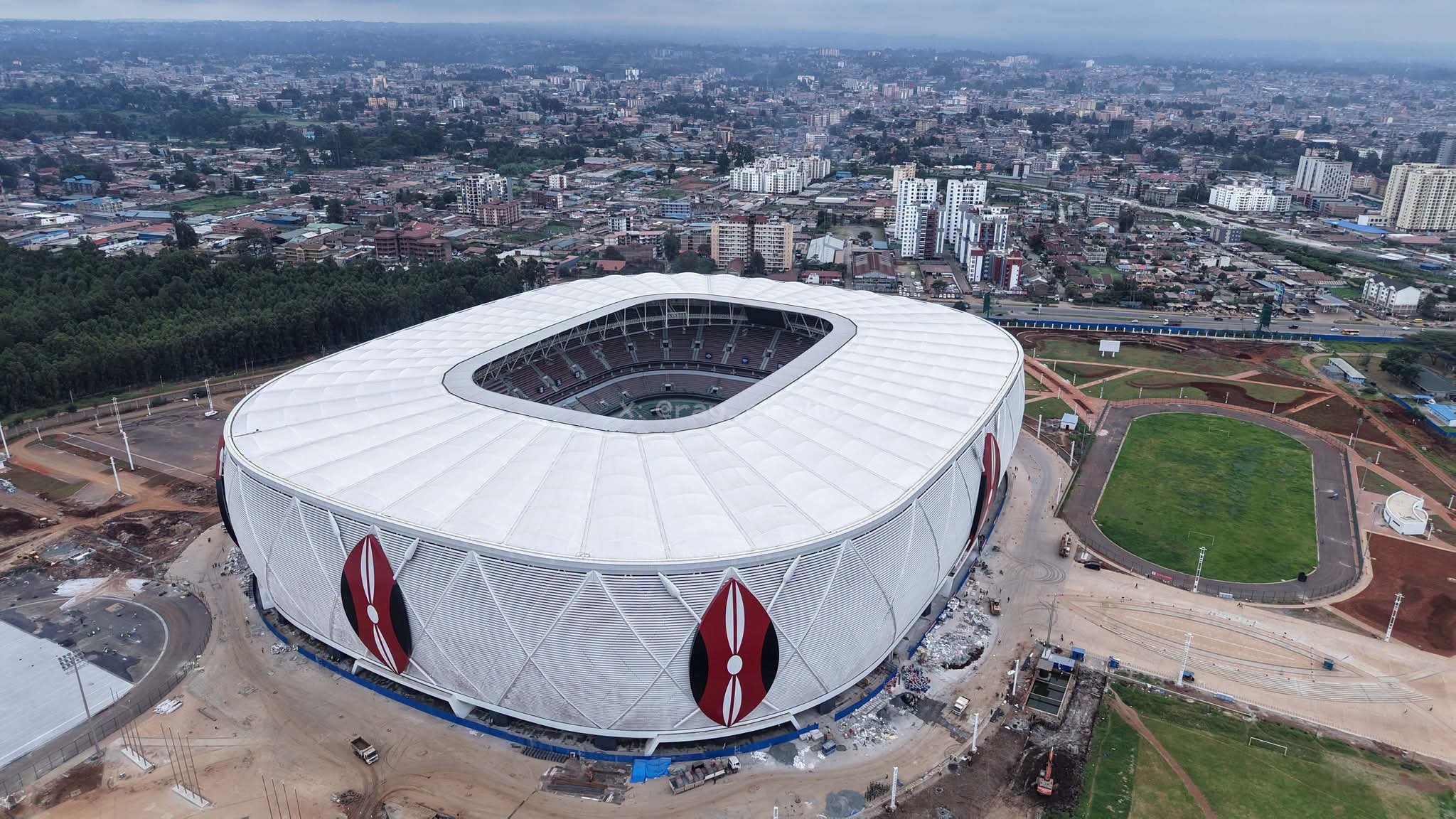
Raila Odinga International Stadium aerial view /Handout
The project stands as a visible sign of investment in public infrastructure. Once operational, the stadium should host domestic leagues, international friendlies, and other large gatherings beyond football. Its hybrid pitch and climate control elements aim to support year-round use despite Nairobi's variable weather.
Local observers have noted the pace of work in recent weeks. Coordination between government departments appears active, particularly on the security front where the Internal Security team plays a leading role in readiness frameworks. The shift in naming has drawn public comment even as formal processes remain pending.
As completion draws nearer, attention will shift toward operational handover and testing events. The venue's design balances cultural symbolism with functional requirements for a world-class sporting landmark.
Comments (0)
Leave a Comment
No comments yet. Be the first to share your thoughts!