

Uganda is currently undergoing one of the most ambitious infrastructure transformations in its history, driven by massive government and private-sector investments across energy, transport, and oil development.
These projects, valued at over USD 20 billion in combined investment, are reshaping the country’s economic landscape and preparing it for long-term growth.
At the center of this expansion is the East African Crude Oil Pipeline (EACOP), Uganda’s biggest and most strategically significant project, officially launched in 2017 and now moving into full construction.
The EACOP runs from the Albertine oil fields in Hoima to the Port of Tanga in Tanzania. Spanning 1,443 kilometers, it will become the world’s longest heated pipeline once complete.
The project, costing an estimated USD 5 billion, is designed to help Uganda export crude oil for the first time, unlocking a new era of energy revenue and international cooperation. Its development also includes feeder pipelines, pumping stations, and extensive land preparation activities since 2018, supporting both construction and nearby communities.
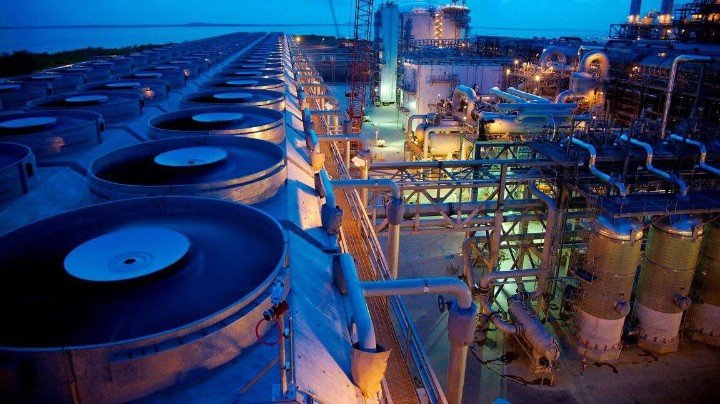
Alongside the pipeline, Uganda is developing the Tilenga (USD 4 billion) and Kingfisher (USD 2 billion) oil projects, launched in 2022 after the Final Investment Decision (FID). These sites involve drilling hundreds of wells, building modern processing facilities and upgrading roads across the Albertine region.
Together, they form the backbone of Uganda’s emerging oil economy and have already created thousands of job opportunities for youth and local contractors.
Transport infrastructure is also receiving major investment, especially through the planned Kampala-Jinja Expressway, whose development began in 2018 with updated negotiations in 2023-2024. The project is expected to cost about USD 1.5 billion and will become a modern 95-kilometre dual carriageway designed to decongest Kampala, cut travel time to eastern Uganda and strengthen the Northern Corridor, the trade route that links Uganda to the Port of Mombasa.
Another transformative project is the Kampala-Malaba Standard Gauge Railway (SGR), revived in 2024 after new agreements with contractors and financiers. The 273-kilometre line is projected to cost approximately USD 2.2 billion and aims to create a faster and more efficient rail connection from Uganda to Kenya’s coast.
By shifting heavy cargo from roads to rail, the SGR is expected to reduce transport costs, improve trade competitiveness and protect roads from damage caused by overloaded trucks.
Together, these mega-projects reflect Uganda’s commitment to building a modern, connected and economically robust nation.
As construction progresses through the 2020s, Uganda’s profile as a hub for trade, logistics and industry continues to rise across East Africa and the world.
Comments (0)
Leave a Comment
No comments yet. Be the first to share your thoughts!