
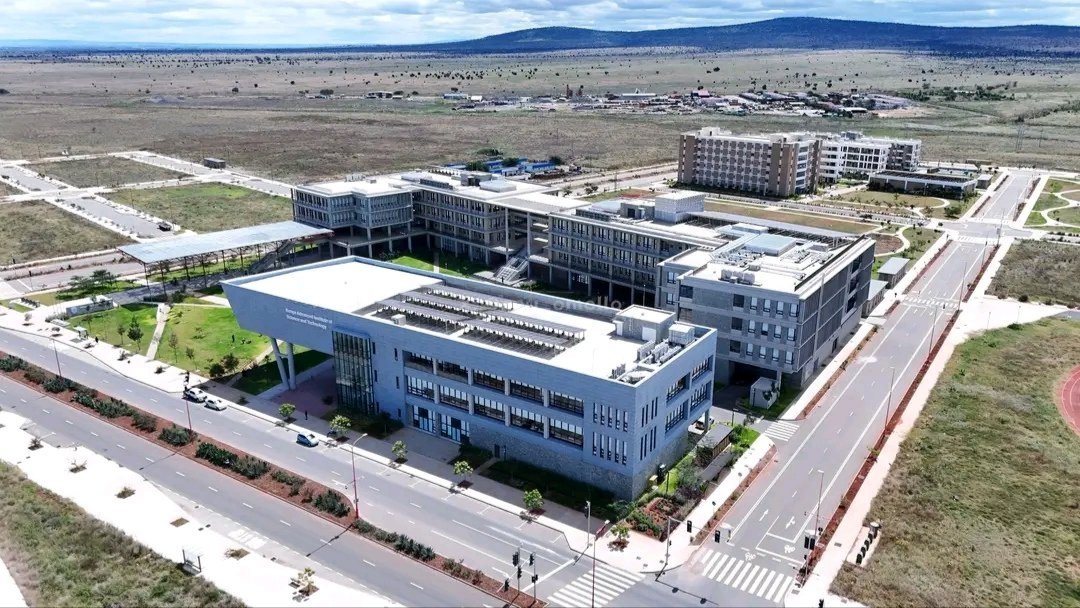

A delegation of Principal Secretaries visited Konza Technopolis on Wednesday. They inspected developments at Kenya’s flagship Vision 2030 technology hub. The site, long promoted as the Silicon Savannah, continues to draw high-level attention as construction and early occupation advance.
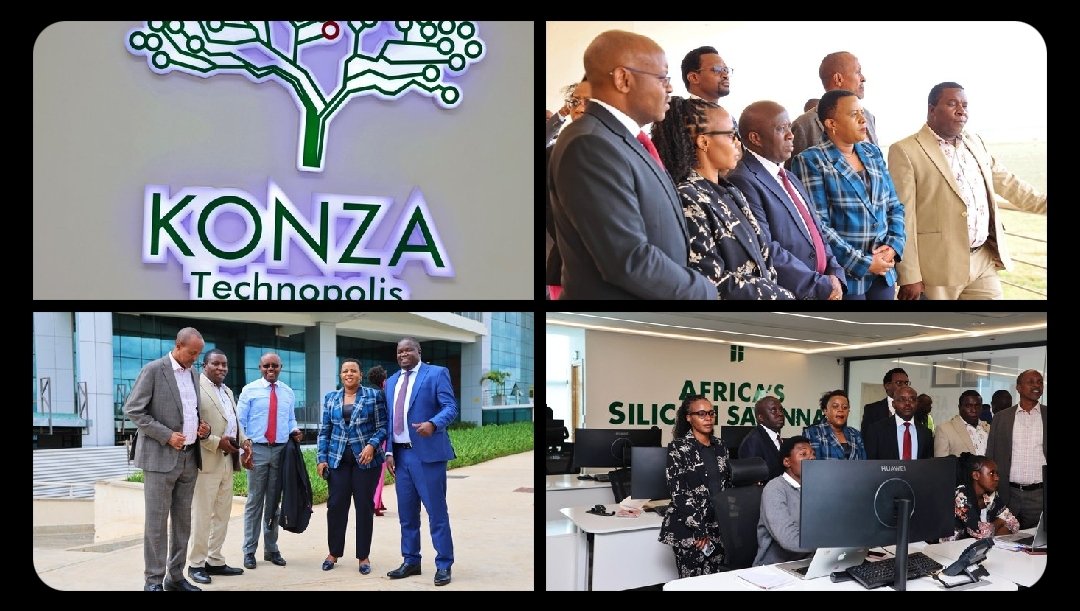
The Delegation
Dr Patrick Mariru, Principal Secretary for Defence, joined colleagues on the tour. He described the 5,000-acre master-planned city as designed to foster science, innovation, technology and commercialisation. The goal remains driving sustained economic growth through a concentrated ecosystem of digital enterprises.
If the project reaches its full vision, Konza could anchor a new phase of Kenya’s economy. Tech firms, research institutions and creative industries already setting up operations point to the kind of clustering that has powered successful hubs elsewhere. Such concentration often sparks rapid job creation, skills development and export earnings.
Inside Konza
The location along the Nairobi-Mombasa corridor offers natural advantages. Planned infrastructure including roads, reliable power, water and high-speed connectivity would support high-value activities that demand uninterrupted services. Completed phases could attract multinational companies seeking a stable East African base.
Success would mean thousands of direct jobs in technology and support sectors. An Export Processing Zone slated for 2026 is projected to generate over 5,000 positions alone. Broader ripple effects could extend to construction, logistics, hospitality and education as the city fills out with residential, commercial and recreational facilities.
For Kenya’s construction industry, full realisation would translate into years of substantial work. Road networks, utility corridors, commercial buildings, research parks and housing developments would keep contractors, engineers and suppliers engaged at scale. Local firms stand to gain expertise in smart city systems, sustainable building and integrated urban planning.
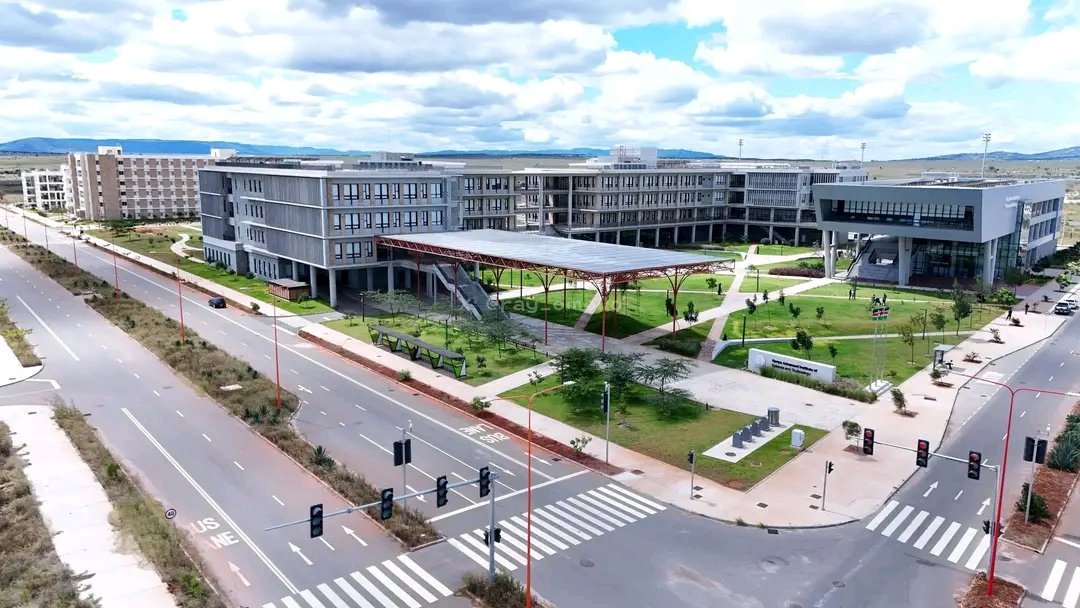
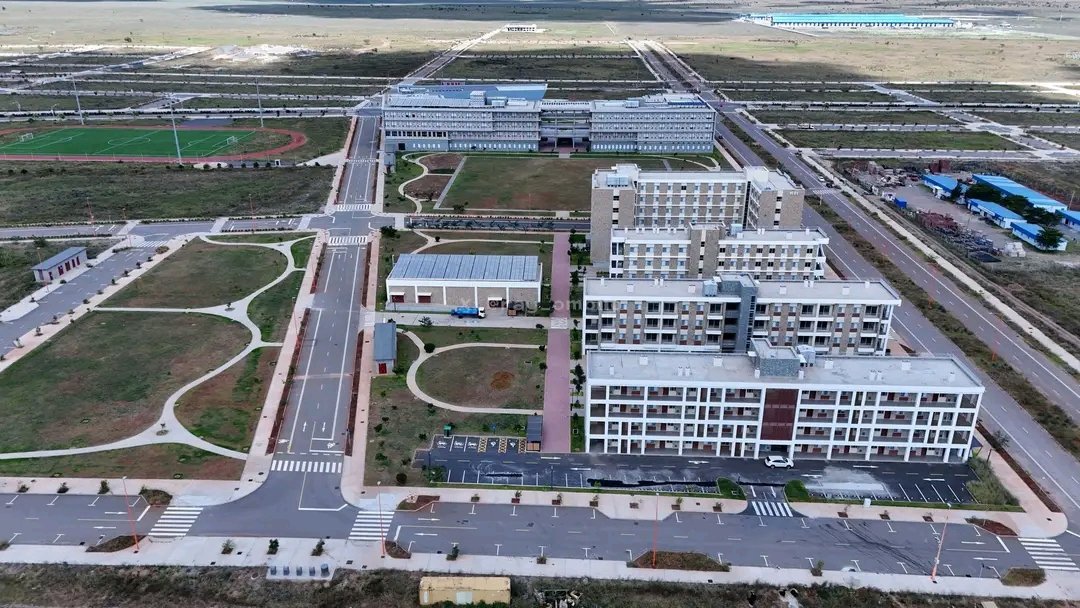
Konza
The technopolis model envisions integrated living and working spaces. If executed well, it could reduce urban pressures on Nairobi by offering an alternative growth pole. Surrounding communities might benefit from improved services, market access and infrastructure spillovers that lift nearby economies.
Observers note that consistent progress on visible infrastructure during the recent tour signals forward movement. With digitally driven firms already on site, the project appears to be shifting from conceptual stages toward operational reality. This momentum could encourage further private investment.
Challenges remain, including historical delays and competition from other developments. Yet if those are overcome, Konza’s success could position Kenya as a recognised technology leader in East and Central Africa. It would demonstrate that large-scale, government-backed projects can deliver on long-term national ambitions.
The recent high-level visit underscores renewed commitment across ministries. Coordinated efforts on power, transport and regulatory frameworks will prove decisive. For a country investing heavily in digital economy strategies, a thriving Konza would validate that approach.
Construction stakeholders watching the site see potential for innovation in delivery methods. Smart infrastructure elements from energy-efficient buildings to intelligent traffic systems could set new standards for projects nationwide.
Ultimately, the full impact hinges on sustained execution. If the dream works out as envisioned, Konza Technopolis would stand as a landmark achievement. It could reshape not just the local landscape but Kenya’s place in the continental economy for decades to come.
Comments (0)
Leave a Comment
No comments yet. Be the first to share your thoughts!