

A version of this article appeared on Nation.
Large irrigation schemes along Kenya’s Coast have consumed billions of shillings but many are failing to deliver expected results. Poorly maintained canals, siltation and inadequate management are among the main reasons for the underperformance.
The region has high potential for irrigated agriculture due to its climate and proximity to markets. Successive governments have invested heavily in schemes aimed at boosting food security, creating jobs and supporting smallholder farmers.
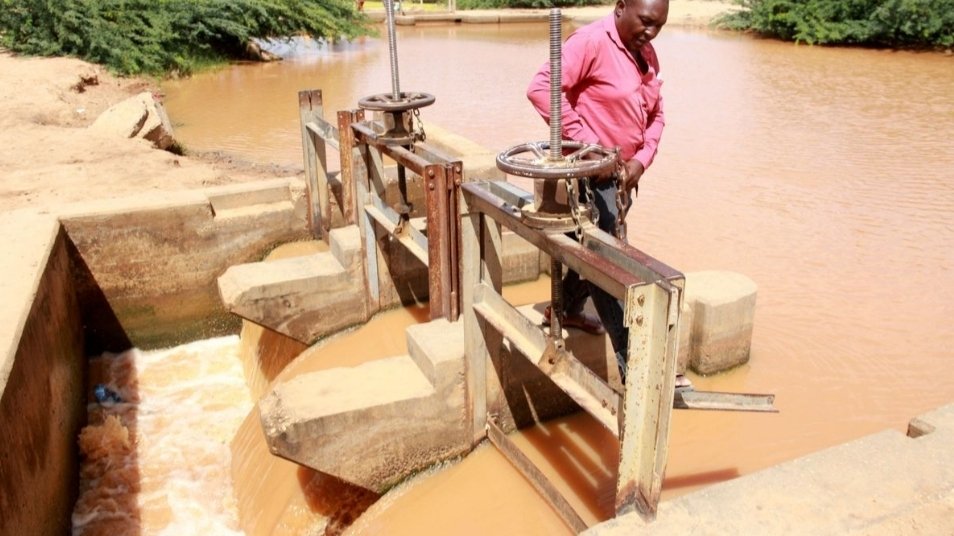
However, many projects have been plagued by design flaws, poor construction quality and lack of community involvement. Canals that were meant to distribute water efficiently have become clogged with silt or damaged by flooding.
Maintenance has been a persistent challenge. Once projects are handed over to local communities or cooperatives, funding for ongoing repairs often dries up. This leads to rapid deterioration of infrastructure that was expensive to build.
Some schemes have also suffered from weak governance structures. Disputes over water allocation, land tenure issues and limited technical capacity among beneficiaries have further undermined performance.
The failures have real consequences for farmers who were promised reliable water supply. Many have reverted to rain-fed agriculture, leaving them vulnerable to drought and reducing overall productivity in the region.
Lessons from these projects point to the need for better feasibility studies, stronger post-construction support and sustainable financing models for maintenance. Involving local communities from the planning stage could also improve ownership and long-term success.
Irrigation remains critical for Kenya’s agricultural transformation, especially in arid and semi-arid areas. Addressing the shortcomings seen on the Coast will be important for future projects across the country.
Comments (0)
Leave a Comment
No comments yet. Be the first to share your thoughts!