
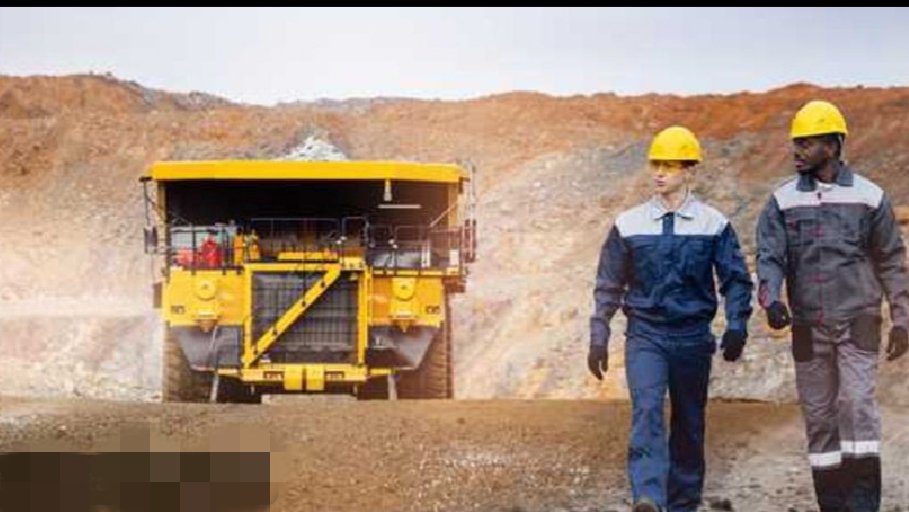

Africa holds nearly a third of the world’s critical mineral reserves. These resources, including cobalt, copper, lithium, manganese, graphite and rare earths, are becoming central to both global energy transition plans and domestic political debates across the continent. Governments face mounting pressure to convert underground wealth into jobs, infrastructure and improved living standards.
Experts and officials meeting in Accra, Ghana, this week cautioned that weak governance could instead deepen poverty, fuel conflict and reinforce longstanding leadership failures in mineral-rich states. The High-Level Conference on Governance, Critical Minerals and Conflict, organised by the Open Society Foundations, brought together policymakers, civil society, researchers and private sector representatives.
Binaifer Nowrojee, president of the Open Society Foundations, told the gathering that the minerals under African soil have become indispensable to clean energy, digital technologies and advanced manufacturing. The more important question, she argued, is whether African countries can govern these resources in ways that strengthen democracy, deepen public trust and create shared prosperity.
The Democratic Republic of Congo remains a frequent reference point. Rich in cobalt and other minerals, it has also experienced prolonged conflict linked to illegal mining and smuggling. Civil society coordinator Patient Bashombe Matabishi said many decisions exclude local communities and that international actors sometimes profit from division. Creating or sustaining conflict, he noted, has become a strategy for extracting minerals at lower cost to the Congolese people.
Recent diplomatic efforts reflect the strategic weight of these resources. The DRC has sought to renegotiate agreements to secure greater infrastructure investment. The United States has framed African critical minerals as essential to diversifying supply chains and has supported regional peace initiatives, including the Washington Accord between Rwanda and the DRC.
Political analyst Mikhail Nyamweya stressed the need for multi-level governance that recognises the impact on local communities. Beyond environmental concerns, he said, questions of job creation, technology transfer and institutional capacity must be addressed. Mining should build long-term capability rather than simply extract value.
Bishop Matthew Kukah of the Roman Catholic Diocese of Sokoto argued that African countries often focus on individual leaders while neglecting the systems that bring them to power. He warned that many of those systems are influenced by interests with little commitment to equitable distribution of mineral wealth. Strengthening electoral processes and institutional accountability, he said, is essential if mineral revenues are to benefit citizens.
For Kenya and other East African states with emerging or potential critical mineral deposits, the Accra discussions offer a timely reminder. Transparent licensing, community participation, value addition and regional cooperation are repeatedly identified as conditions for turning geological advantage into durable development. Without them, the familiar pattern of resource wealth coinciding with weak public outcomes is likely to persist.
The global energy transition has raised the stakes. Demand for battery minerals and related materials is projected to remain strong for decades. How African governments manage the coming investment wave will shape both domestic politics and the continent’s position in the international economy.
Comments (0)
Leave a Comment
No comments yet. Be the first to share your thoughts!