

A version of this article appeared on Citizen Digital.
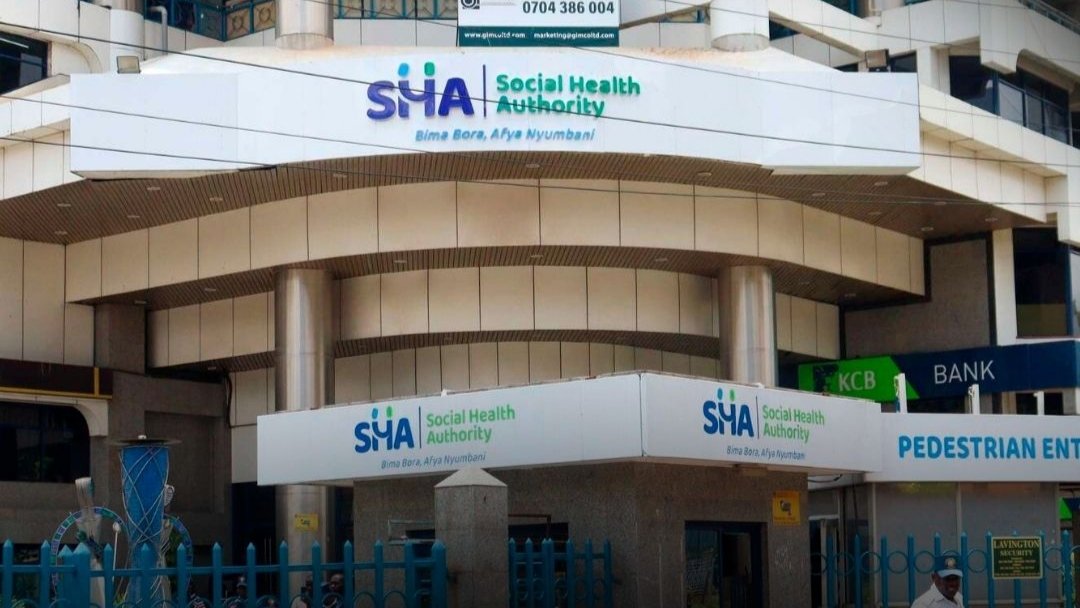
Patients in public hospitals have endured days of disruption after the Social Health Authority platform went offline on Sunday. The outage has blocked access to care for those relying on the system to avoid out-of-pocket payments.
At Kenyatta National Hospital and other facilities, individuals remain stranded in corridors or turned away from treatment rooms. Some face demands for cash they cannot afford while awaiting system restoration with no firm timeline.
Mildred Awuor spent a week at KNH for abdominal pain and expected discharge on Sunday. Days later her release remains pending. Each extra day increases her bill beyond what she can manage.
Cancer patients have suffered particularly severe setbacks. Dozens queued for hours at KNH on Sunday seeking chemotherapy, reviews and oncology services. Many waited through the morning and into the afternoon without clearance. Others slept outside or left untreated.
Phoebe Ongadi, Executive Director of the Kenya Network of Cancer Organisations, highlighted the risks. Missed chemotherapy sessions can weaken treatment protocols, allow tumours to advance and shift patient outcomes entirely.
One patient arrived for a review to adjust ongoing medication but could not see a doctor due to the outage. She continues her drugs while hoping for eventual system recovery and medical guidance.
Another referred for an MRI scan required SHA pre-authorisation that the system could not process. Staff offered a cash option of Sh38,000 but she lacked the funds. Paying privately would also bring no reimbursement.
The failure has blocked premium payments as well. Families report inability to contribute monthly amounts, leaving dependants without access to drugs or services.
In one Nairobi case a family could not transfer a deceased relative's body after three days. Hospital rules tie release to bill clearance that the system prevents. Mortuary fees keep rising.
SHA Chief Executive Officer Dr Mercy Mwangangi confirmed an earlier issue with the pre-authorisation module. She stated it has been resolved and facilities should now proceed with billing.
She requested details from affected sites including names, timings and error descriptions for targeted fixes. Yet reports from patients and hospitals indicated ongoing problems well after the statement.
Dr Brian Lishenga, chairperson of the Rural Private Hospitals Association, criticised the reliance on digital systems without backups. He described the outage as exposing a single point of failure in the push for universal health coverage.
The situation underscores vulnerabilities in Kenya's health infrastructure. Public facilities serve large populations including workers from construction sites and infrastructure projects where injuries and occupational health needs arise regularly.
Delays in treatment can extend recovery times for labourers on road contracts or housing developments managed by KeNHA, KURA and county authorities. Reliable healthcare supports a stable workforce essential to meeting project timelines.
Broader maintenance and upgrades to both physical hospital facilities and digital platforms remain pressing needs. The current disruption highlights gaps that affect day-to-day operations across the built environment.
SHA has called for continued reporting of specific issues to enable monitoring and support. Patients have been advised to persist at facilities while the authority addresses isolated cases.
The outage enters its fourth day with uncertainty about full restoration. Many continue waiting in limbo for services that the system was designed to guarantee without financial barriers.
Comments (0)
Leave a Comment
No comments yet. Be the first to share your thoughts!