

The National Assembly’s Public Accounts Committee (PAC) has raised serious concerns regarding the viability of free basic education in Kenya. During a session with high-ranking ministry officials, lawmakers questioned whether the government can still claim to offer free schooling while facing massive budget deficits.
The scrutiny follows a special audit report detailing the flow of capitation and infrastructure grants to public schools. For years, the government has promised to shoulder the cost of primary and secondary day school education, but current financial realities suggest a widening gap between policy and practice.
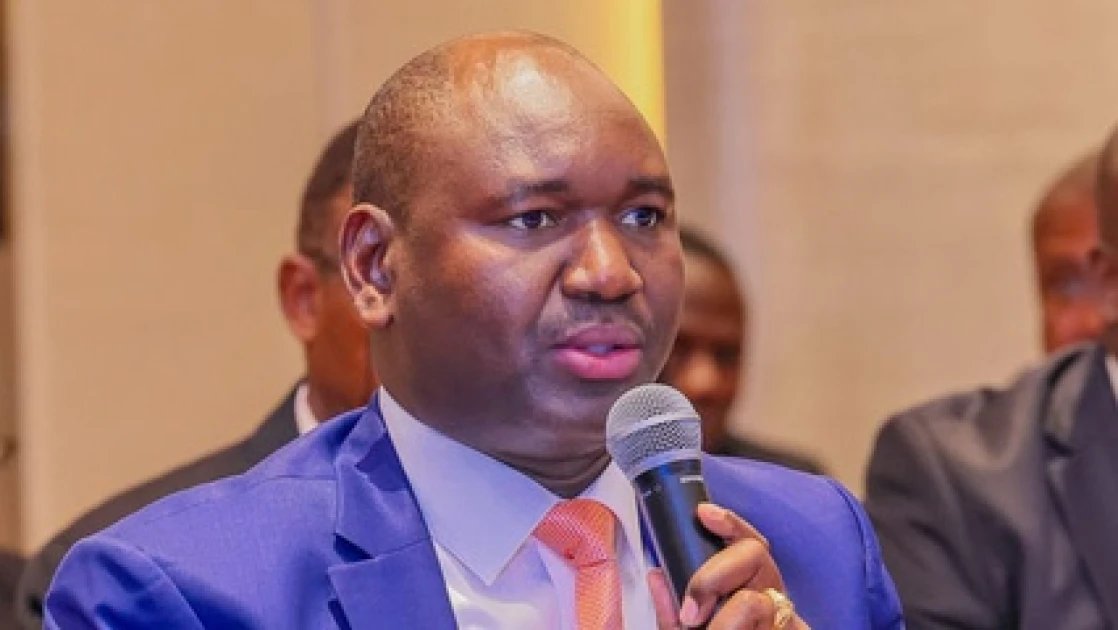
Basic Education Principal Secretary, Julius Bitok, appeared before the committee to address these discrepancies. He revealed that the ministry is currently grappling with an underfunding crisis totaling KSh77 billion. This shortfall has hampered the timely release of funds to institutions.
PAC members, led by the committee chair, expressed frustration over the persistent delays in disbursement. They argued that these delays force school heads to seek alternative funding, which often falls back on parents through informal levies and "development" fees.
This financial pressure effectively negates the "free" status of public education. Schools rely on capitation to manage daily operations, purchase learning materials, and maintain essential infrastructure. Without these funds, many facilities have fallen into disrepair or halted planned expansions.
The audit report highlighted specific instances where infrastructure grants were either delayed or inadequately distributed. This has left several school projects, intended to accommodate the growing student population, stalled at various stages of completion.
PS Bitok explained that the ministry is working within tight fiscal constraints. He noted that the allocation from the National Treasury often falls short of the actual requirements dictated by the rising number of learners enrolling in the system.
"The demand for resources is increasing every year," Bitok told the committee. He emphasized that while the government remains committed to the program, the current budgetary ceiling makes it difficult to cover every cost associated with the sector.
President Ruto has previously emphasized the importance of human capital development through education. However, the PAC noted that without resolving the Ksh.77 billion deficit, the quality of learning in public institutions will continue to deteriorate.
MPs questioned how the ministry justifies the "free education" label when the government only provides a fraction of the necessary funds. They noted that the current capitation rate per student has not been adjusted to reflect the rising cost of living and school supplies.
The committee has now directed the ministry to provide a comprehensive breakdown of how the existing funds are being utilized. They also want a clear roadmap on how the government intends to bridge the multi-billion shilling funding gap in the next financial year.
For many parents across the country, the outcome of these parliamentary sessions is critical. If the funding shortfall is not addressed, the burden of maintaining schools will likely continue to shift from the state to individual households.
The Ministry of Education is expected to return before the committee with more detailed reports. For now, the status of free education remains a subject of intense debate within the halls of Parliament and across the nation’s schools.
Comments (0)
Leave a Comment
No comments yet. Be the first to share your thoughts!