

A version of this article appeared on Nation Africa.
Kenya’s emergency medical landscape remains fractured by a stark divide in the quality of pre-hospital care. While some counties boast modern units, others rely on vehicles that lack even the most basic life-saving equipment.
The crisis centers on the transition from simple patient transport to integrated emergency medical services. In many regions, the difference between an advanced life support unit and a bare vehicle determines the fate of trauma victims.
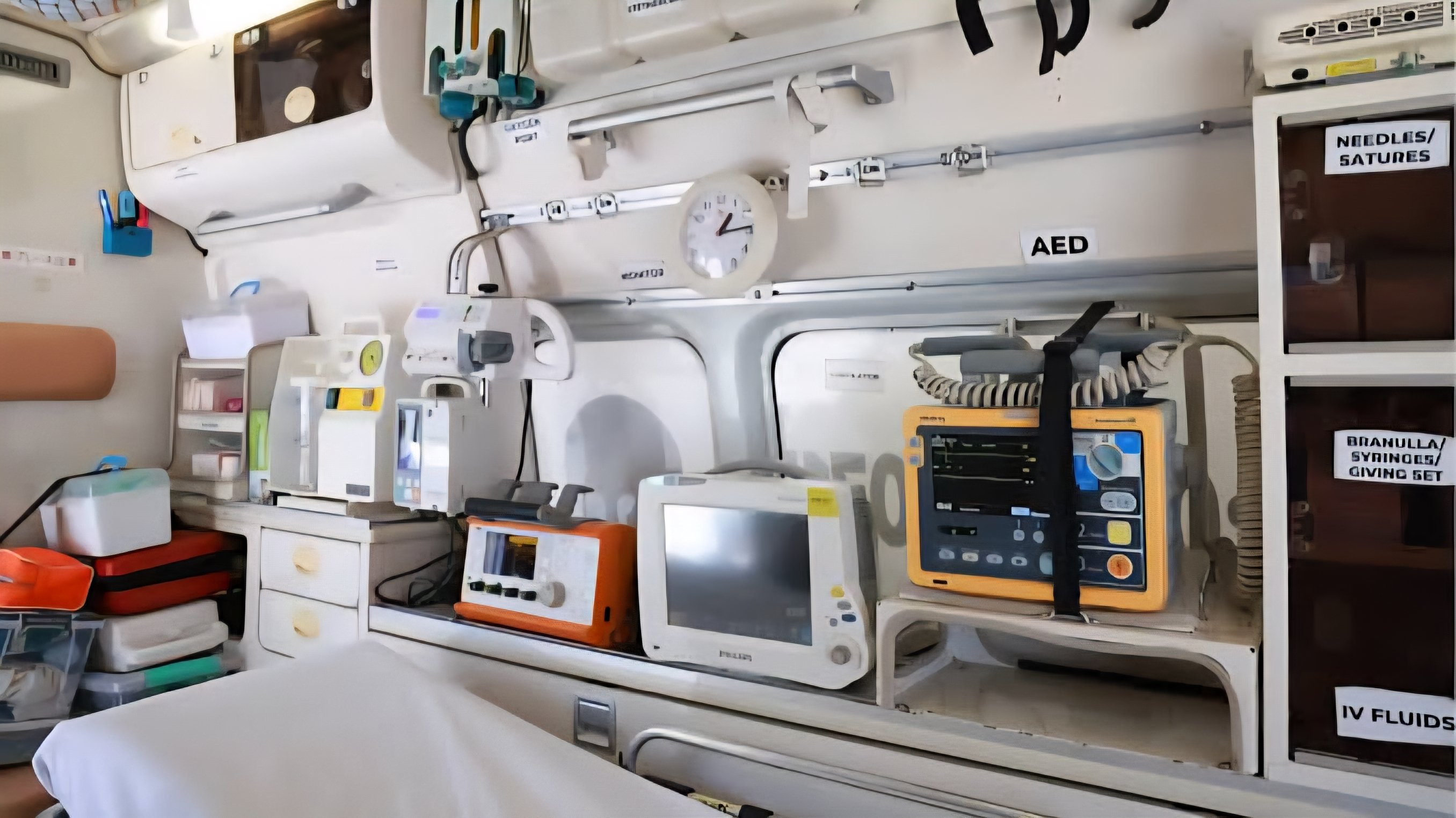
A standard ambulance should ideally function as a mobile intensive care unit. However, investigations into the current fleet reveal that many county-owned vehicles operate without oxygen, defibrillators, or essential monitoring tools.
The disparity is not merely a matter of hardware. Professional staffing remains a critical bottleneck for the sector. Many vehicles are manned by drivers with no medical training, rather than certified emergency medical technicians.
In urban centers like Nairobi, private providers and some well-funded public facilities offer tiered services. These range from basic life support to highly specialized units equipped for neonatal and cardiac emergencies.
Outside these hubs, the situation shifts dramatically. Patients in rural or marginalized counties often face long wait times, only to be picked up by vehicles that offer no stabilization during transit.
Industry experts point to a lack of a cohesive national policy as a primary driver of these inconsistencies. While the national government sets standards, implementation and funding remain at the discretion of individual county administrations.
Resource allocation often prioritizes the acquisition of vehicle shells over the procurement of medical interiors. This leads to a public perception of a functional fleet that fails during actual medical crises.
Funding gaps also affect the maintenance of specialized equipment. Ventilators and suction machines, when available, frequently sit idle due to a lack of spare parts or technical personnel to operate them.
The human cost of this logistical failure is measured in preventable deaths. For a mother in obstructed labor or a victim of a road accident, the first hour of care is the most critical.
International standards suggest that every ambulance should have at least two trained medics. In many Kenyan counties, the reality is a lone driver who cannot assist the patient while the vehicle is in motion.
Private-public partnerships have attempted to bridge this gap in some regions. These initiatives provide leased ambulances with full equipment packages and trained crews, though coverage remains limited by budget constraints
President Ruto has previously emphasized the need for a more integrated healthcare system under the Universal Health Coverage framework. Emergency services are a pillar of this plan, yet local implementation remains sluggish.
The transition to a more equitable system requires standardized equipment lists for all counties. Without mandatory minimum requirements for every licensed ambulance, the current survival lottery is likely to continue for many Kenyans.
Efforts to professionalize the sector are underway through various medical associations. These groups are advocating for the recognition of emergency medicine as a distinct and vital specialty within the broader health workforce.
Until these systemic issues are addressed, the quality of care will continue to depend on a patient's proximity to well-resourced facilities. For many, the ambulance remains just a taxi to a hospital, rather than a place where life-saving treatment begins.
Comments (0)
Leave a Comment
No comments yet. Be the first to share your thoughts!