
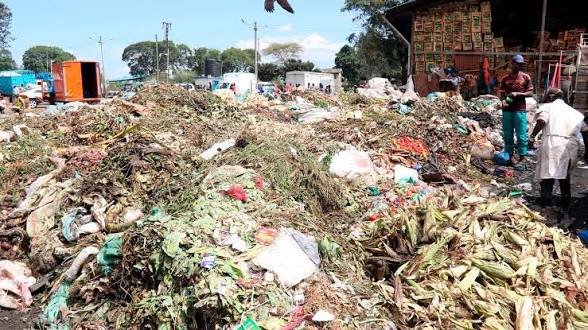

International climate stakeholders have begun formalizing a roadmap for the 31st Conference of the Parties, known as COP31, with a specific emphasis on integrating zero-waste principles into global food security frameworks. The strategic shift follows recent high-level consultations in Istanbul, where representatives from the Zero Waste Foundation and United Nations advisory boards met to align upcoming climate negotiations with practical on-the-ground delivery mechanisms.
The upcoming summit, which will be hosted in Antalya, Türkiye, from November 9 to 20, 2026, is expected to serve as a pivotal moment for African nations seeking to address the dual challenges of climate resilience and agricultural inefficiency. For Kenya, where the World Resources Institute estimates that nearly 40 percent of food produced is lost or wasted, the transition to a circular economy represents a significant opportunity to stabilize local markets.
Current infrastructure gaps in storage and handling remain the primary drivers of food loss before produce even reaches the retail stage. Global data indicates that approximately one billion tonnes of food was thrown in 2022 alone, accounting for nearly 20 percent of all food available to households and service providers. This loss contributes to 8-10 percent of global greenhouse gas emissions, a figure nearly five times higher than the total emissions produced by the aviation industry.
President Ruto has previously emphasized the need for locally led initiatives to tackle these environmental hurdles. In Kenya, grassroots projects are already demonstrating the viability of converting organic waste into livestock feed and organic fertilizers. These efforts help reduce the dependency of farmers on expensive imported fertilizers, the supply of which remains vulnerable to global trade disruptions.
The COP31 roadmap prioritizes the scaling of these models, particularly in rapidly urbanizing regions. By implementing source separation of organic waste in markets and businesses, municipalities can transition from treating waste as a cost to viewing it as a revenue-generating resource. The initiative also targets a dramatic reduction in methane emissions, as food waste in landfills remains a potent source of the gas.
Climate diplomacy ahead of the Antalya summit has focused on ensuring that sustainable development remains accessible to all. Discussions involving UN-Habitat and various climate directors have highlighted the necessity of embedding circular economy principles into urban planning. This approach aims to create stable markets for products derived from organic waste, providing new income streams for women and youth cooperatives.
As preparations continue, the COP31 presidency, shared between Türkiye and Australia, will oversee the implementation of these climate plans. The goal remains to move beyond abstract policy and toward verifiable practices that support food systems while protecting natural resources. For the African continent, successfully reducing waste could unlock improved nutrition and provide a buffer against the rising prices of basic commodities.
Comments (0)
Leave a Comment
No comments yet. Be the first to share your thoughts!