
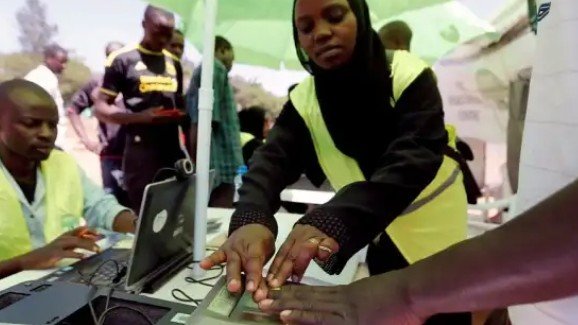

Kenya is preparing for the 2027 general elections, and the Independent Electoral and Boundaries Commission (IEBC) has announced plans to replace the majority of the Kenya Integrated Election Management Systems (KIEMS) kits, citing obsolescence as the main reason. According to the commission, a total of 45,352 kits will need to be replaced at an estimated cost of Sh6 billion. These kits, which are used to register voters, transmit results, and facilitate other election-related processes, are considered outdated and no longer fit for reliable use in upcoming elections.
IEBC stated that only 14,000 of the KIEMS kits purchased in 2022 will be retained. However, even these will not be used as-is. The agency plans to upgrade them at a cost of Sh175,000 per kit. This move is part of IEBC’s effort to ensure that the equipment is technologically current and can efficiently handle the voting process. The commission has argued that this investment is necessary to avoid potential technical failures that could disrupt the election process or affect the credibility of results.
The announcement has, however, met with resistance from members of Parliament. A section of MPs has moved to halt the purchase of the new kits, questioning whether the replacement is indeed necessary. They have called on IEBC to submit a comprehensive expert report showing that the existing KIEMS kits cannot be refurbished or reused for the upcoming elections. Lawmakers argue that the projected cost of Sh6 billion is significant, and they want assurances that the funds will not be wasted.
Critics of the replacement plan also point out that technology can often be upgraded at a fraction of the cost of full replacement. They contend that IEBC has not sufficiently demonstrated that the existing kits are beyond repair or incapable of performing election duties after minor technical adjustments. The call for an independent expert assessment has gained traction in parliamentary committees, with MPs emphasizing the need for transparency and accountability in the expenditure of public funds.
The IEBC, on the other hand, maintains that the bulk of the KIEMS kits have worn out over time and are no longer compatible with current software and security standards. The agency has highlighted that previous election cycles exposed vulnerabilities in the system, including software glitches and hardware malfunctions, which could compromise the speed and accuracy of vote transmission. Upgrading the older kits alone, according to IEBC, would not be sufficient to guarantee a smooth election process.
The debate has sparked broader discussions about the cost of technology in elections and the balance between efficiency, security, and fiscal responsibility. With elections drawing closer, the IEBC faces the challenge of convincing both the public and lawmakers that its procurement strategy is justified. In addition to the cost concerns, some civil society groups have urged the commission to ensure that any new KIEMS kits are user-friendly and accessible to election officials across the country, particularly in remote areas where technical support may be limited.
Lawmakers’ insistence on an expert report also reflects a growing demand for evidence-based decision-making in public procurement. They have suggested that independent technologists and audit experts should assess the current KIEMS kits and provide recommendations on whether replacement, refurbishment, or a combination of both would be most cost-effective. The report would serve as a key reference before any funds are released for procurement.
Despite the disagreement, both IEBC and lawmakers agree on the importance of having functional election technology. The objective is to conduct elections that are transparent, credible, and efficient. However, the timing of the procurement, the cost implications, and the necessity of replacing most of the KIEMS kits remain points of contention. The issue is likely to dominate parliamentary debates and public discourse as the country approaches the 2027 elections.
The outcome of this debate will not only determine the immediate approach to election technology but may also set a precedent for how future election resources are managed. Ensuring that KIEMS kits are reliable, secure, and cost-effective will be crucial to maintaining public confidence in the electoral process. Both IEBC and the legislature appear committed to reaching a resolution, but the final decision will likely hinge on the expert analysis and the recommendations that will be presented in the coming months.
In summary, while the IEBC pushes for a major replacement of KIEMS kits at Sh6 billion citing obsolescence, MPs have raised concerns about cost and necessity, demanding an expert report to prove that the existing kits cannot be reused effectively. This tension underscores the need for careful planning and accountability as Kenya prepares for its 2027 elections.
Comments (0)
Leave a Comment
No comments yet. Be the first to share your thoughts!