
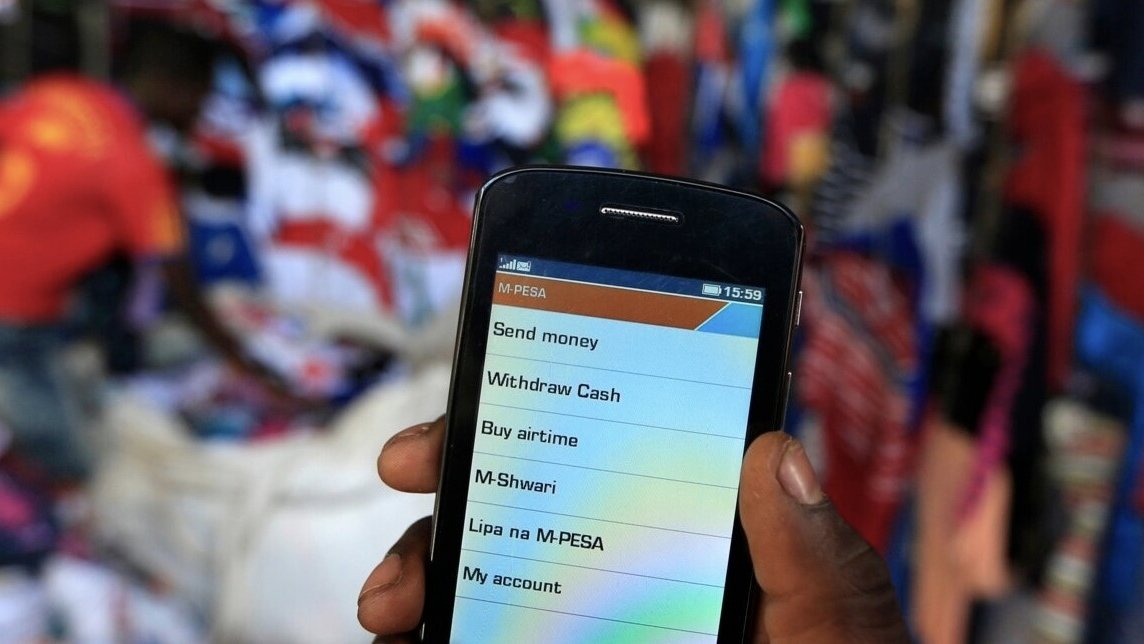

Kenya, Uganda, Tanzania, Ethiopia and Rwanda have emerged among Africa's fastest-growing cybercrime hotspots, driven largely by mobile money fraud and rising use of artificial intelligence by criminal networks, according to a new Interpol report.
The report found that incidents of SIM swap fraud, where scammers trick mobile network providers into moving a victim's phone number onto a SIM card the criminal controls, rose by 327 percent in Kenya in 2025. More than 123,000 fraudulent SIM cards were issued during the period, enabling attackers to hijack phone numbers and drain mobile money wallets.
Interpol attributed the region's vulnerability to its rapid adoption of mobile money services, which has outpaced efforts to secure the systems underpinning them. While Kenya and Tanzania have strengthened cybercrime legislation, the report noted that criminal networks continue to exploit weak regional coordination and jurisdictional gaps.
Kenya recorded more than 46,786 distributed denial-of-service attacks targeting telecommunications operators in the first half of 2025, incidents that flood networks with traffic to disrupt service for genuine users. The country also featured among the top phishing detection locations tracked by cyber threat monitoring platform SOCRadar in September 2025.
Artificial intelligence has made these attacks harder to detect and easier to scale, with the technology now enabling an estimated 55 percent of reported cybercrime across Africa. Interpol said AI has automated phishing campaigns, fraudulent information requests and malware deployment in ways that make them increasingly difficult for victims to recognise.
Kenya's mobile money market continues expanding rapidly, widening the field available to fraudsters. Communications Authority data shows mobile money subscriptions reached 53.4 million by March 2026, a penetration rate of 100.1 percent, while Safaricom's M-Pesa, controlling 89.1 percent of the market, processed Sh41.68 trillion in transactions in the year to March 2026, equivalent to roughly 2.4 times Kenya's GDP.
Interpol found that 97 percent of surveyed African countries identified mobile money fraud as their most common cyber scam, a pattern the report linked to inconsistent know-your-customer procedures among telecom operators lacking the technical capacity to verify customer identities in real time.
The agency also flagged the growing role of "money mulling," where criminals recruit people through fake job adverts for supposed financial agent or remote transaction officer roles, often without those recruits realising they are laundering proceeds from business email compromise, ransomware or cryptocurrency scams.
Fragmented cooperation between banks, telecom operators and law enforcement has created significant blind spots, according to the report, since financial institutions could often detect suspicious transactions but lacked the legal authority or technical channels to block SIM swaps or freeze accounts without court orders, a process that can take weeks or months. Interpol warned that Africa's lack of an interoperable digital identity framework compounds the problem, allowing criminals to steal identities in one country, open accounts in another and move illicit funds through a third.
Comments (0)
Leave a Comment
No comments yet. Be the first to share your thoughts!