

A proposed law before Kenya's Parliament seeks to scrap university scholarships in favour of a universal loan model that would fully fund every eligible student admitted to public tertiary institutions.
Under the Tertiary Education Placement and Funding Bill, 2026, all students placed through the national system would receive 100 percent government funding as loans rather than a mix of scholarships, loans and family contributions used previously.
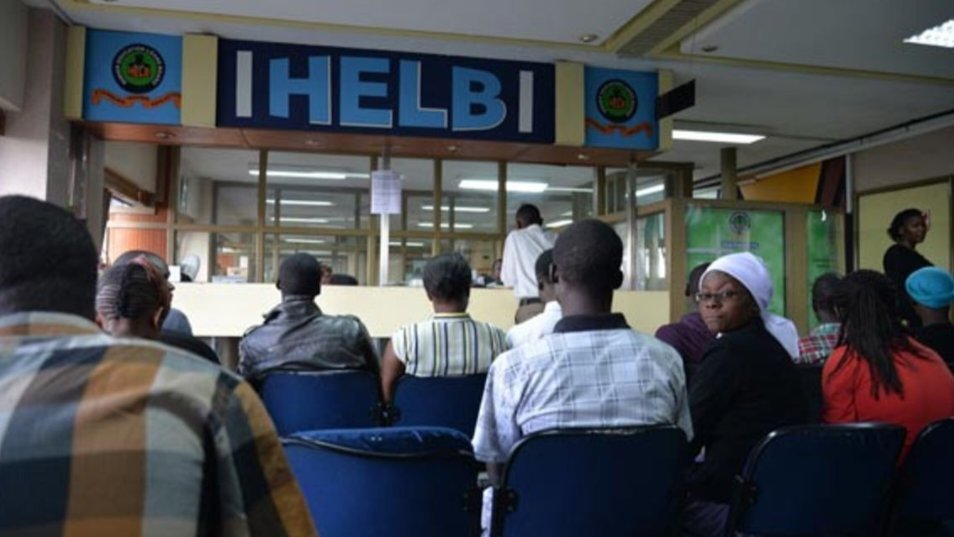
The Bill proposes creating a Tertiary Education Funding Authority (TEFA) to take over functions currently split between the Higher Education Loans Board (HELB), the Universities Fund and the TVET Fund Board, consolidating student financing under a single body.
Graduates would begin repaying their loans only after securing employment, with monthly deductions capped at a percentage of their earnings, mirroring HELB's existing repayment structure for salaried borrowers.
Under HELB's current framework, employed loanees have their instalments deducted directly from wages, with monthly deductions capped at 25 percent of basic salary. It remains unclear whether the new Bill would retain this exact threshold.
President William Ruto has pushed Parliament to fast-track the amendments so the new funding model can apply from the September 2026 university intake, according to statements made at State House.
The proposal marks a reversal from the Differentiated Unit Cost model introduced in 2023, which allocated funding based on household income bands and combined scholarships, loans and parental contributions.
That model faced persistent shortfalls. Universities cited a funding gap of roughly Sh57.65 billion for loans and Sh16.56 billion for scholarships in the 2026/2027 financial year, according to figures presented to Parliament.
Some economists and commentators have questioned the framing of the proposal. David Ndii, chairperson of the president's Council of Economic Advisers, noted publicly that the announcement referred to students being "fully funded," not necessarily fully funded through non-repayable government grants.
That distinction has fuelled debate over whether the policy represents genuinely free tuition or a shift toward heavier reliance on loans, with students bearing greater long-term repayment obligations than under the scholarship-based system.
Critics have also raised concerns over the Exchequer's capacity to sustain full loan funding for every admitted student, given Kenya's existing public debt pressures and competing budget priorities.
The Ministry of Education has cited the Bill as currently before Parliament for approval, though details of its final provisions, including exact repayment terms, are expected to become clearer as lawmakers debate the legislation.
If passed, the reforms would represent one of the most significant changes to Kenya's higher education financing system in decades, altering how hundreds of thousands of students fund their studies each year.
Comments (0)
Leave a Comment
No comments yet. Be the first to share your thoughts!