
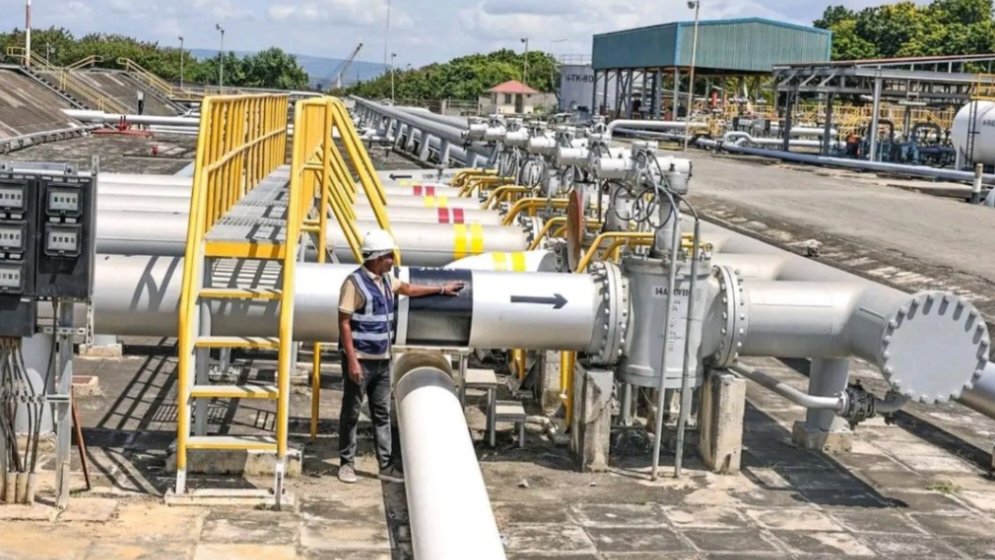

Energy infrastructure operations along the Coast region depend heavily on continuous bulk fuel transfer. State utility Kenya Pipeline Company (KPC) relies on Line 5 to move major petroleum products inland from Mombasa.
The 450-kilometer asset serves as the primary energy arterial link to Nairobi. Construction of this 20-inch diameter line expanded regional delivery capacity far beyond older infrastructure levels.
Different refined fuels move through the single steel line in planned sequential batches. System operators flush and cycle shipments of diesel, jet fuel, motor spirit petrol, and kerosene through the main trunk line without cross-contamination.
Engineers designed the steel pipeline to withstand dynamic mechanical pressure across varying terrain elevations. Multiple pumping facilities along the transit corridor keep liquid velocity steady during continuous long-distance transfer operations.
Current installed throughput capacity reaches 1,300 cubic meters per hour across four active pumping stations. Strategic planning provisions allow four extra pumping plants, which will raise maximum flow rates to 1,750 cubic meters per hour.
Line 5 officially replaced the original 14-inch Line 1, which began commercial service back in 1978. Heavy mechanical wear and rising maintenance expenses forced the retirement of Line 1 in 2020.
The legacy asset had far surpassed its initial 30-year operational life span. Decommissioning procedures continue while essential mainline pumps remain preserved for potential future secondary utility.
Bulk petroleum arrives at the central terminal in Nairobi before secondary distribution occurs across inland markets. Pumping facilities transfer products onward toward major secondary storage hubs in Nakuru, Eldoret, and Kisumu.
The Western Kenya Pipeline Extension (WKPE) handles these secondary transfers through dedicated regional network spurs. Export routes further deliver fuel to regional markets in Uganda, Rwanda, and the Democratic Republic of Congo (DRC).
Transporting high volumes underground altered regional energy logistics along the busy Mombasa highway corridor. Offloading haulage responsibility from long-haul tanker trucks reduced heavy vehicular traffic on primary road networks significantly.
Fewer heavy vehicles on major highways lowered asphalt wear rates substantially over recent years. Reduced truck traffic also lowered transit accidents and minimized accidental fuel spill hazards along primary transport corridors.
Storage capacity at receiving terminals matches the higher intake volume enabled by the larger pipe diameter. Expanded tankage in Nairobi provides multi-million liter holding reserves, which prevents import discharge delays for marine tankers at sea.
Marine vessels offload cargo at offshore berths in Mombasa, including the modern Kipevu Oil Terminal 2 (KOT 2). High discharge rates at marine berths feed directly into onshore storage tanks before pipeline injection begins.
Digital supervisory control systems monitor pressure differentials continuously along the entire 450-kilometer alignment. Sensor networks detect immediate flow variations, which allows technical teams to adjust pump output remotely from central control hubs.
Inline inspection gauges run through the pipe interior regularly to check structural integrity and wall thickness. Preventative maintenance routines prevent operational outages, which ensures uninterrupted fuel distribution across Eastern Africa.
Fiber optic cables running parallel to the pipeline provide dedicated telecommunication connectivity across the transit route. Excess optic capacity is leased to external telecommunications firms, which generates supplementary operational revenue for the state company.
The continuous underground flow of refined products underpins heavy industrial activity throughout the interior regions. State energy managers continue monitoring auxiliary systems, which maintains long-term operational reliability across the national pipeline network.
Comments (0)
Leave a Comment
No comments yet. Be the first to share your thoughts!