

Kenya National Highways Authority (KeNHA) has reported that upgrading works on the 66.5-kilometre Illasit-Njukini-Taveta corridor are progressing ahead of schedule.
Site operations along the Class B highway gained momentum following increased site equipment mobilization.
The State Department for Roads transitioned the project to an Engineering, Procurement, and Construction (EPC) model after terminating an earlier public-private financing structure.
Chinese contractor Sinohydro Corporation Ltd is executing the civil works along the southern border frontier.
Civil engineering crews are focusing on sub-base compaction and spreading hot asphalt mix. Heavy rollers and pavers are active on key stretches, working to deliver a seven-metre carriageway with 1.5-metre paved shoulders.
The project scope involves installing reinforced concrete box culverts and constructing major river bridges, including the Ole Suyianka crossing.
Contract specifications also mandate street lighting installation and junction realignments through major urban trading hubs.
The paved road links Illasit Junction in Kajiado County to Taveta Junction in Taita Taveta County, running parallel to the border. Previous seasonal rainfall frequently turned the dirt road into impassable mud, which disrupted local agricultural transport.
Base course preparation precedes the placement of the final asphalt wearing course. Technical supervision teams from KeNHA conduct regular field inspections, keeping structural testing aligned with national highway standards.
Public discussions regarding early construction phases focused on shoulder layout and pedestrian access. Project managers clarified that footpaths and final drainage lining are routinely constructed during the concluding stages of pavement works.
Commercial hauliers expect reduced vehicle maintenance costs once bitumen surfacing is complete. Direct highway access will assist farmers in Rombo and Njukini, who transport perishable produce to regional markets near the border.
The arterial route connects with other transport infrastructure across the southern region. Improved road connectivity supports the rehabilitation of the Voi-Taveta railway line, while also facilitating movement toward nearby aviation facilities.
President William Ruto launched civil works on the B55 route following structural revisions to the project contract. Replacing the former funding structure with direct procurement resolved previous administrative delays, accelerating physical progress on site.
Contractor teams maintain active shifts to ensure continuous earthworks and material supply. Quality control engineers oversee asphalt compaction, ensuring the final road layer withstands heavy commercial traffic loads over its operational lifespan.
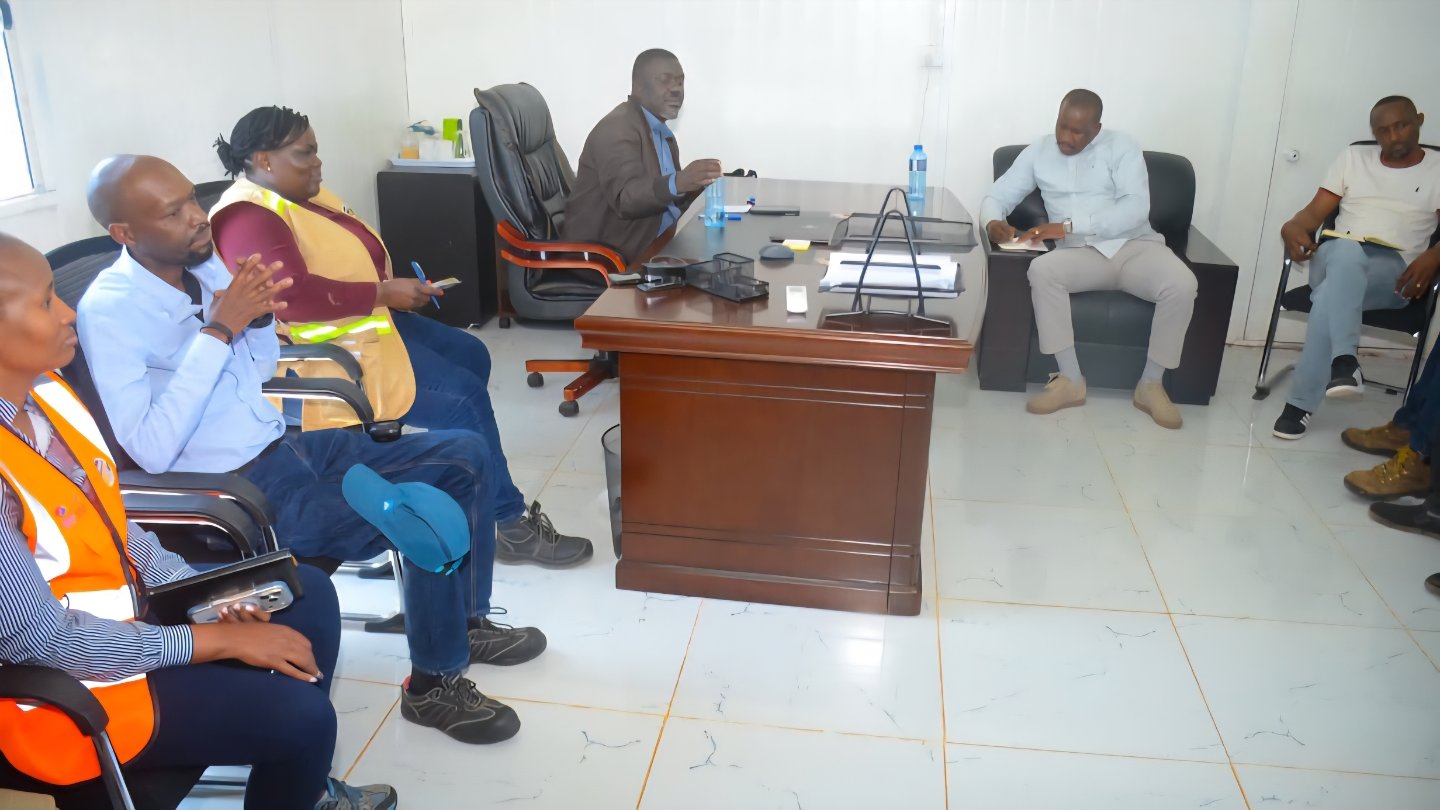
Site review meetings between state officials and engineering managers confirmed that current construction targets are being achieved early. Crews will continue drainage installation, slope stabilization, and road sign placement over upcoming project phases.
The upgraded Class B highway will shorten travel times between Kajiado South and trade hubs in Taita Taveta. Reliable transit options improve year-round access to healthcare, emergency services, and commercial facilities for local residents.
KeNHA officials affirmed that supervision teams will maintain strict oversight until project completion. Early delivery of completed asphalt sections ensures that regional transport demands are met efficiently and without unnecessary construction delays.
Engineers continue testing aggregate materials and asphalt samples to verify structural strength. Maintaining quality standards on primary base layers prevents premature surface degradation, ensuring long-term road durability across varying weather conditions.
Comments (0)
Leave a Comment
No comments yet. Be the first to share your thoughts!