
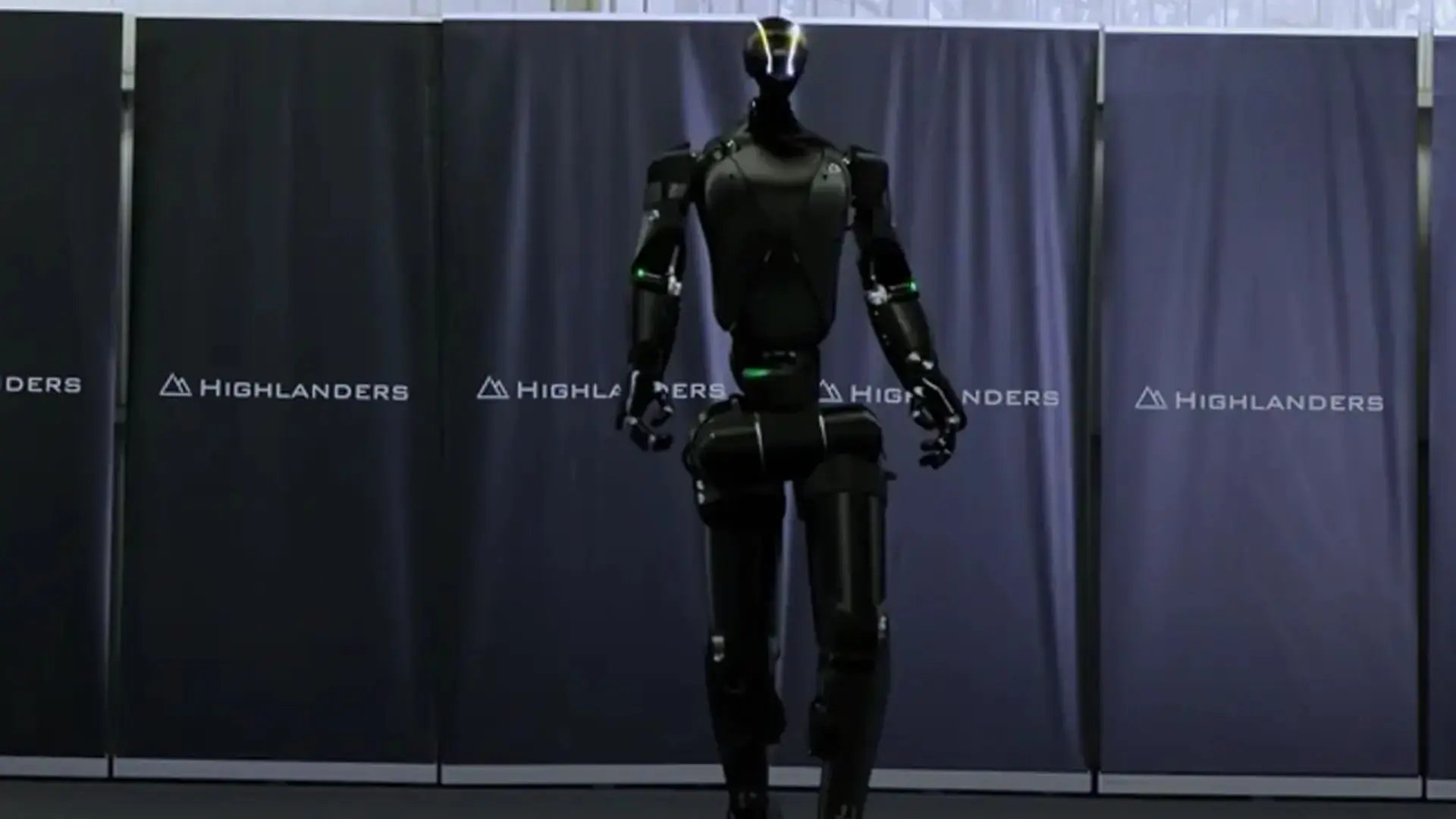

Mitsubishi plans to mass-produce up to 1,000 humanoid robots every month at its Kyoto plant. The manufacturing giant is repurposing an unused engine production line to build the HL Human, developed by Highlanders Incorporated.
The HL Human is a nineteen degree-of-freedom artificial-intelligence-powered machine designed specifically for heavy industrial tasks. Industrial automation experts note that traditional automotive lines require extensive retooling for robotics assembly.
Factory floor engineers will supervise the transition over the coming months. Production targets aim to satisfy growing demand for automated labor solutions across heavy industries.
Market analysts observe that labor shortages drive heavy manufacturers toward humanoid solutions. Several competitors have announced similar production shifts across Asia.
Kyoto plant managers confirmed that assembly lines will utilize existing floor space. Equipment installation begins immediately, although full capacity requires final safety certifications.
Labor unions expressed cautious interest regarding workplace integration. Safety protocols remain under strict review by regional authorities.
Component sourcing relies heavily on domestic supply chains. Supply chain managers report robust vendor commitments for critical actuators and processors.
Global logistics firms anticipate strong deployment figures once commercial shipping commences. Initial distribution targets regional manufacturing hubs before expanding internationally.
Industry observers will monitor output metrics closely during the initial rollout phase. Maintenance schedules are already established to minimize operational downtime.
Factory workers are receiving specialized training for robotic maintenance oversight. The transition highlights a broader shift in Japanese manufacturing capabilities.
Comments (0)
Leave a Comment
No comments yet. Be the first to share your thoughts!