
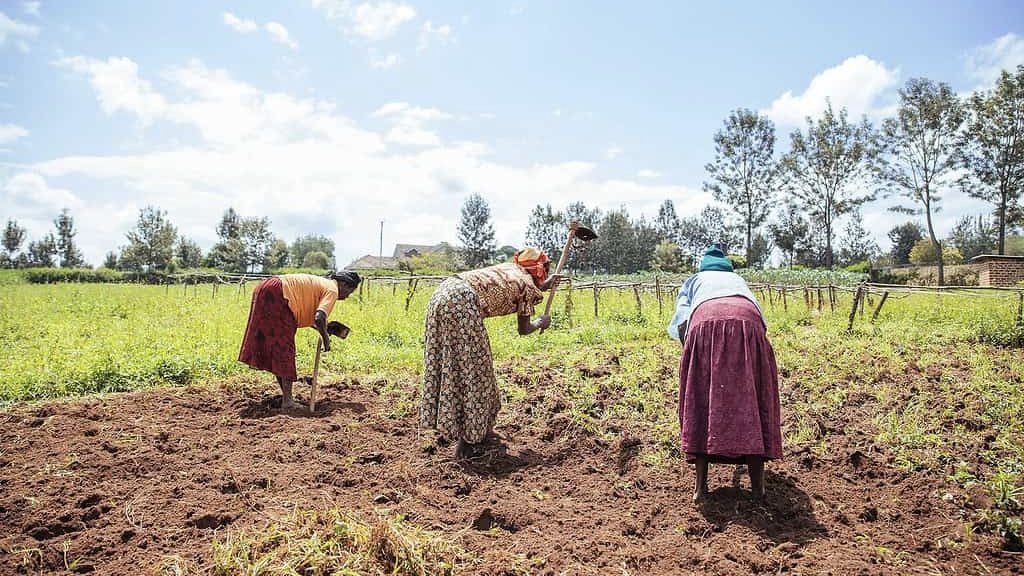

Kenya has launched a $263.8 million climate resilience program aimed at strengthening agriculture, restoring ecosystems and improving water management across ten counties in the western part of the country. The Integrated Natural Resources Management Program, known as INReMP, was launched on July 17, 2026.
The program is backed by the International Fund for Agricultural Development (IFAD), a United Nations specialized agency that finances rural development projects in developing countries. It is expected to benefit more than two million people from over 407,000 rural households.
INReMP will focus on sustainable land management, ecosystem restoration and improved conservation of water resources, aiming to raise agricultural productivity while helping farmers adapt to shifting climate conditions. The approach combines environmental protection with direct support for household livelihoods.
The initiative covers Elgeyo Marakwet, West Pokot, Trans Nzoia, Uasin Gishu, Nandi, Kakamega, Kericho, Kisumu, Homa Bay and Migori counties, a stretch of western Kenya that includes both highland farming areas and parts of the Lake Victoria basin.
Prime Cabinet Secretary Musalia Mudavadi said the investment would help increase agricultural output, raise household incomes, create employment opportunities and strengthen community resilience, framing the program as part of a broader national push toward a more secure, climate-adapted food system.
Kenya continues to face mounting climate-related pressure, including prolonged droughts, extreme rainfall, floods and landslides that have repeatedly disrupted agricultural production and damaged rural infrastructure. Floods between March and May 2024 affected hundreds of thousands of people and caused significant loss of life and economic damage.
In response, the government has introduced measures including the Anticipatory Action Roadmap for 2024-2029 and expanded cooperation with regional climate organizations to strengthen early warning systems and disaster response capacity.
Kenya has also committed to cutting greenhouse gas emissions by 35 percent by 2035 compared with a business-as-usual scenario, a target that forms part of its Nationally Determined Contributions under the Paris Agreement. INReMP is positioned as one of the practical vehicles for meeting that commitment while protecting rural livelihoods in the country's western counties.
Comments (0)
Leave a Comment
No comments yet. Be the first to share your thoughts!