

Kenya has taken concrete steps to turn its rich cultural heritage and indigenous knowledge into economic assets. Officials view this as a pathway to create jobs, foster innovation and preserve traditions for future generations.
The indigenous knowledge intellectual assets economy is estimated at over Sh230 billion annually. Proper documentation, digitisation and commercial partnerships could unlock much of this potential. Communities would benefit through equitable sharing arrangements.
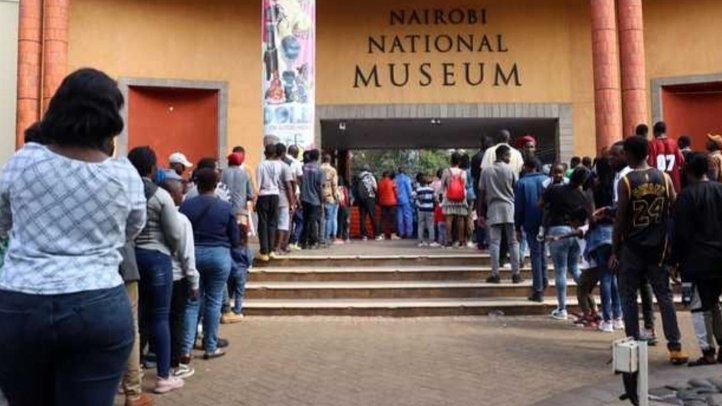
The National Museums of Kenya has taken a leading role. Its Natural Products Industry programme worked with local groups to document and digitise knowledge systems. The Indigenous Knowledge Documentation and Digitization project covered 13 counties in the pilot phase.
Collected information now resides in the Indigenous Knowledge Innovation Bank. This digital platform supports governance, access control and fair benefit sharing. It aims to build trust between communities, researchers and potential investors.
An inaugural International Investment Conference and Trade Fair on Indigenous Knowledge Intellectual Assets displayed more than 40 ready projects. These assets underwent rigorous documentation, intellectual property audits, standardisation and viability assessments.
Opportunities span several sectors. Indigenous foods appeal to consumers seeking healthier and sustainable options. Traditional cuisines could expand into agribusiness, processing and nutrition markets.
Performing arts offer potential in the creative economy. Heritage sites can drive authentic cultural tourism. Indigenous technologies in food preservation, construction and environmental management support small scale enterprises.
Traditional medicine also holds promise. With research and regulation, Kenya could strengthen its position in natural health products. International examples demonstrate successful integration of such knowledge into broader systems.
Sustained progress depends on strong legal frameworks. Policies must prevent misappropriation while enabling fair commercialisation. Continued documentation and digitisation efforts will help safeguard knowledge.
The initiative aligns with national development goals including Vision 2030 and the Bottom Up Economic Transformation Agenda. Collaboration between communities, government, academia and private investors will prove critical.
Comments (0)
Leave a Comment
No comments yet. Be the first to share your thoughts!