
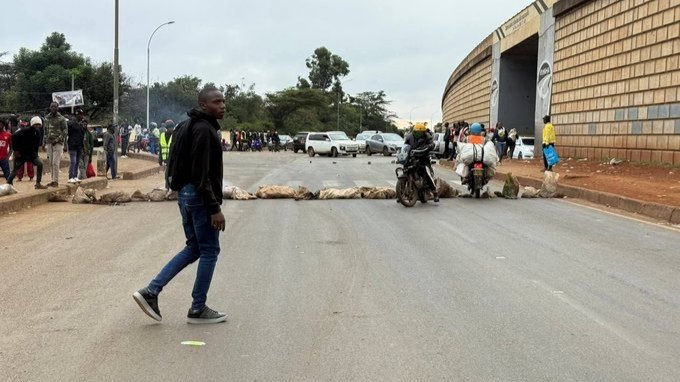

Transport sector groups declared a full shutdown from midnight Sunday, grounding passenger vehicles, cargo trucks, boda bodas and private cars across Kenya. Cornelius Chepsoi of the Rig Owners Association announced the action at a press conference, stating that all operations would cease until pump prices dropped substantially.
The Energy and Petroleum Regulatory Authority raised diesel by KSh 46.29 to KSh 242.92 per litre in Nairobi and super petrol by KSh 16.65 to KSh 214.25. Kerosene prices stayed at KSh 152.78. Operators described the levels as unsustainable for daily business.
By morning the strike had morphed into protests along Thika Superhighway. Barricades and bonfires appeared in Othaya town in Nyeri County, Kitengela, and along Thika Road where running battles with police involved tear gas. On Mombasa Road, cars inbound to the CBD turned back at Eka Hotel as blockages intensified. Running battles between police and protesters erupted on Ruiru Bypass.
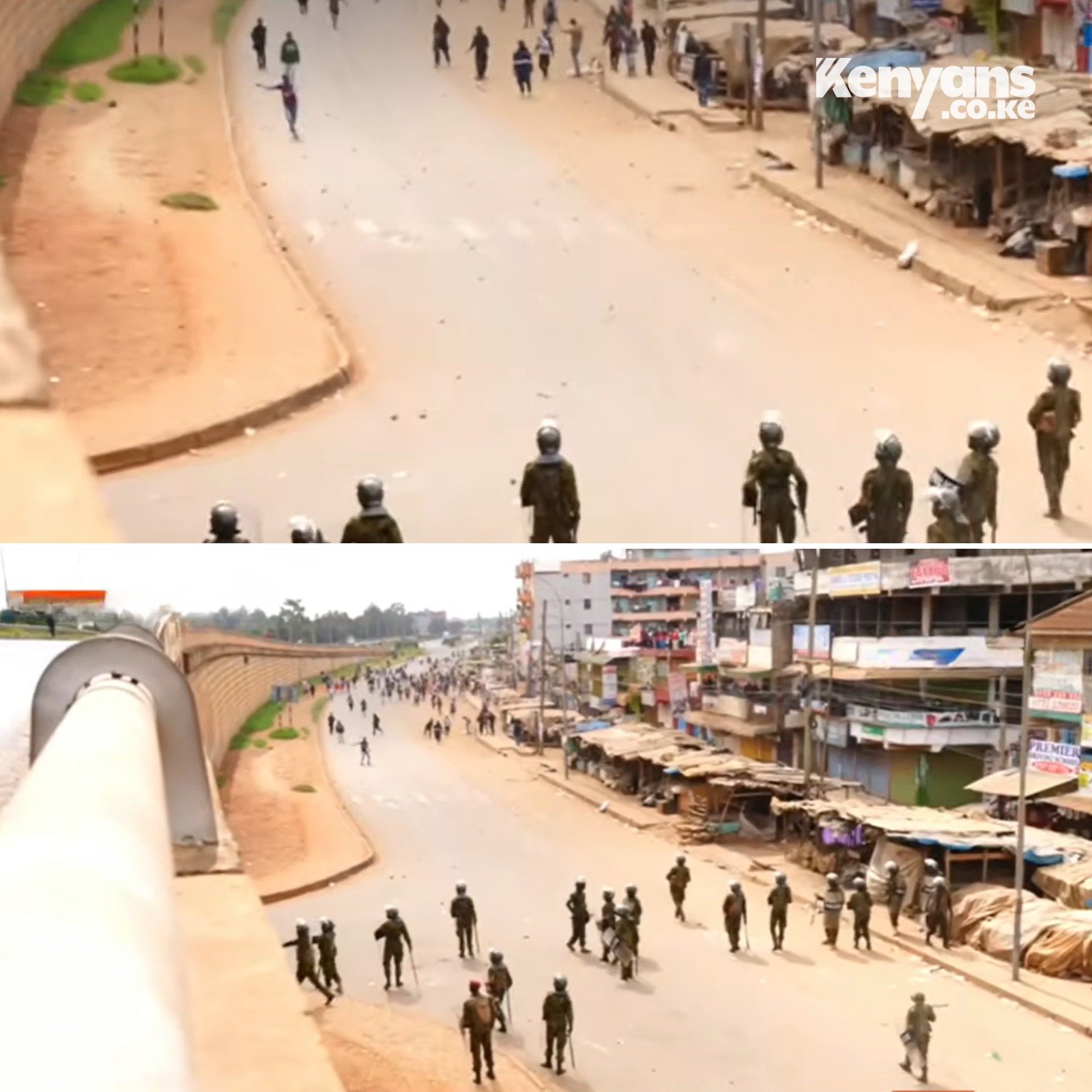
Commuters received advice to avoid routes heading to Waiyaki Way through Kangemi all the way to Kikuyu. In some sections goons took advantage of the chaos to loot vehicles and throw stones. A driver’s car was stoned on Thika Road while heading to Outer Ring Road, shattering its rear windscreen.

Possible gunshots and tear gas deployment occurred in and around Gachie, with the situation described as volatile amid security operations. Heavy protests hit Kerugoya town in Kirinyaga County, where demonstrators lit bonfires along streets, filling the air with thick smoke and disrupting movement in the town centre. In Kakamega County, coordinated demonstrations featured bonfires and deliberate road barricades that constrained mobility around the town centre. In Naivasha town, running battles filled the streets and the Karagita-Moi South Lake road remained barricaded.
Further afield, the road between Voi, Mwatate and Taveta stayed blocked at Mwatunge, forcing tour vehicles to reroute through Teita Sisal Estate. Riot police removed barricades at Shauri on the Eldoret–Huruma–Kitale road. In Eldoret, residents walked to work as services halted. The picture varied across regions. While Thika Road and Kitengela saw active protests, operators in places such as Bomet took a more relaxed approach, turning the moment into a playing ground and simply chilling.

Similar disruptions continued on Lang’ata Road, Outering Road, Juja, Ruiru, Kawangware and sections of the Eastern Bypass. Traffic in and out of Nairobi’s CBD slowed to a crawl.

Some operators increased fares by up to 50 percent in the days before the strike. The Transport Sector Alliance said the action covered passenger services, logistics, ride-hailing, school buses and tourism vehicles. In parts of Meru and other counties, local associations joined the call.
Treasury Cabinet Secretary John Mbadi described the strike as uncalled for. “This is not the time to make emotional decisions,” he said. He added that fuel prices would remain unchanged until 14 June and that the government would reconvene to address concerns over rising fuel costs. ODM Secretary General Edwin Sifuna reacted sharply, pointing to a pattern where Kenyans first face tough decisions before receiving reassurance later.
For the construction sector the standstill brought immediate consequences. Ready-mix concrete deliveries, aggregate trucks and steel transporters sat idle at depots. Projects already facing tight schedules risked further delays as materials could not move reliably along blocked corridors such as Thika Superhighway, Mombasa Road and the Ruiru Bypass. Site labour faced longer walks or missed shifts, adding to costs on urban builds where just-in-time supply is standard.
Schools across the country postponed classes or told pupils to stay home after assessing transport risks. In Nairobi, routes through the industrial area and key junctions saw heavy police presence as authorities tried to clear bonfires and debris.
Commuters reported walking several kilometres. One social media post noted the unusually quiet CBD without the usual matatu chaos, prompting remarks about future urban planning. Yet for most families the day meant lost wages and higher daily expenses.
The strike followed months of pressure on operators. Earlier attempts at dialogue with government over fuel taxes and subsidies produced little relief, according to association leaders. Albert Karakacha of the Matatu Owners Association said the sector remained united.

As the day continues, police are working to reopen key sections. Traffic patterns keep shifting. Motorists are receiving strong advice to avoid non-essential travel while conditions evolve. Whether the action yields price concessions or simply raises awareness of the transport sector’s thin margins remains to be seen. For now, Kenya’s roads carry fewer vehicles and more tension.
Comments (0)
Leave a Comment
No comments yet. Be the first to share your thoughts!