
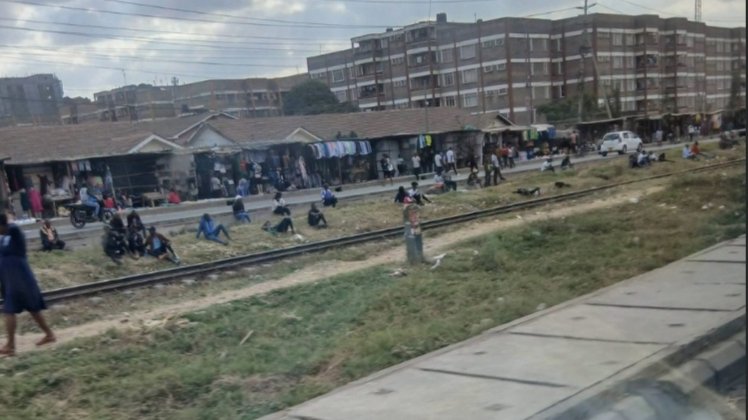

Nairobi’s densely packed estates urgently need more green spaces and recreational parks, according to a recent observation shared by conservationist and travel enthusiast Onjolo Kenya.
In neighbourhoods like Pipeline, some children barely see daylight outside their homes. Many only go outdoors on Sundays when their parents are not away at work. The same pattern appears in other crowded parts of the city, including areas around the Roysambu and Githurai roundabouts.
Rapid urban development has prioritised housing construction. Affordable housing projects continue to expand across the city. At the same time, planners and residents note that parks, playgrounds, walkways and safe public spaces have not kept pace.
A well-planned city needs both homes and quality of life, one engineer responding to the post observed. Proper planning should integrate open areas alongside new residential blocks rather than treating them as an afterthought.
The pressure is visible in several high-density zones. Multi-storey apartments and new developments fill available plots quickly. Open ground that once served as informal play areas or community gathering spots has steadily disappeared.
Children in these estates often remain indoors for most of the week. Limited safe outdoor space restricts physical activity and informal social interaction. Parents working long hours find few nearby options for supervised recreation.
Urban planners have long recognised the importance of green infrastructure in dense cities. Nairobi’s own development plans repeatedly mention the need for public open space. Delivery on the ground has lagged behind the pace of housing construction.
Some newer projects include small courtyards or rooftop areas. These rarely match the scale or accessibility of traditional parks. Larger recreational grounds remain concentrated in older or wealthier parts of the city.
The discussion on social media reflects a wider concern among residents. Calls for more parks appear regularly whenever new housing estates open or existing open land is converted. The pattern is especially pronounced in eastern and northern Nairobi.
Local authorities and developers face competing demands. The need for affordable housing remains urgent. At the same time, the long-term liveability of neighbourhoods depends on the presence of usable green space.
Safe walkways and playgrounds also contribute to community safety and social cohesion. Without them, children and families have fewer places to meet outside the home.
The post and subsequent comments underline a straightforward planning gap. Housing targets continue to drive construction. Provision of parks and recreational facilities has not matched that speed in many of Nairobi’s fastest-growing estates.
Addressing the imbalance would require deliberate allocation of land and budgets for open space alongside residential development. Without that, the pattern of limited outdoor access for children in places like Pipeline is likely to continue.
Comments (0)
Leave a Comment
No comments yet. Be the first to share your thoughts!