
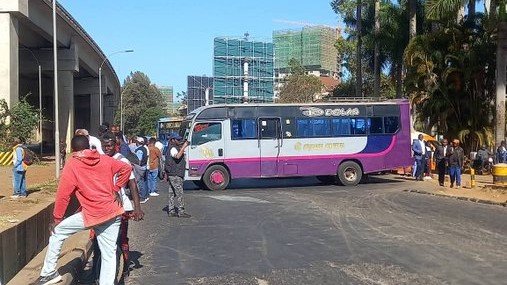

On February 2, 2026, Nairobi's Central Business District (CBD) and several major routes across Kenya ground to a halt as a nationwide strike by Public Service Vehicle (PSV) operators, primarily matatu owners and drivers, triggered widespread chaos. Commuters faced long queues at bus stops, massive traffic jams and significant disruptions to daily life, highlighting deep-seated frustrations within the transport sector.
The strike, spearheaded by groups like the Matatu Owners Association (MOA), was called in protest against what operators described as rampant "boda boda lawlessness." Matatu operators have repeatedly cited incidents where their vehicles were attacked, set ablaze or subjected to mob justice following road accidents, often allegedly involving motorcycle taxi (boda boda) riders. MOA chairperson Albert Karakacha emphasized that the action would continue weekly every Monday until the government addressed security concerns, protected investments in the sector and curbed impunity on the roads.
Confusion preceded the day's events. On Sunday, February 1, the Federation of Public Transport Sector (FPTS) announced a suspension of the planned strike following consultations with boda boda representatives, PSV operators, and security agencies. The federation urged normal operations to resume, giving dialogue a chance. However, the announcement fell on deaf ears for many operators. Sections of the industry, particularly those aligned with the MOA, pressed ahead, leading to partial compliance and fragmented participation across the country.
In Nairobi, the impact was immediate and severe. Matatus blocked key arteries, including Moi Avenue in the CBD, sections of Waiyaki Way in Westlands, Outering Road at the Kariobangi Roundabout and parts of Thika Road and Juja Road. Protesters parked vehicles across junctions, creating impassable barriers and causing kilometres-long backups during the morning rush hour. Long queues formed at major bus stops like those near the Kenya National Archives and Tom Mboya Street, leaving thousands of commuters stranded or forced to walk long distances or seek expensive alternatives.
Police responded swiftly to restore order, particularly in the CBD. Officers were deployed in large numbers to key junctions and matatu stages. In dramatic scenes captured by journalists and onlookers, police officers physically removed registration plates from matatus obstructing traffic. Videos and photos showed authorities bending over vehicles, unscrewing number plates and carrying them away as part of efforts to clear the roads. Some matatus were towed to the Central Police Station. Reports indicated that targeted vehicles often lacked valid PSV licenses, insurance or sacco registration, though the primary focus appeared to be on dismantling the blockades.
The action drew mixed reactions. Some commuters and observers criticized the heavy-handed approach, with questions raised online about the legality of confiscating plates without due process, recalling past court rulings deeming such measures unlawful in certain contexts. Others supported the police for prioritizing public order amid the gridlock. Tear gas was reportedly used in Westlands to disperse groups blocking Waiyaki Way.
Nationwide, the strike's effects rippled beyond Nairobi, with similar disruptions reported in major towns where PSV operators participated variably. The partial nature of the action, some matatus operated normally or with hiked fares, underscored divisions within the sector. While the MOA vowed sustained weekly protests, other federations pushed for negotiation.
The underlying grievances reflect longstanding challenges in Kenya's public transport ecosystem. Matatu operators argue that frequent attacks on their vehicles, often following collisions blamed on reckless driving, go unpunished, eroding their livelihoods. They demand stronger law enforcement, better road safety measures and protection from mob violence. Boda boda groups, meanwhile, have denied systematic targeting and called for mutual respect among road users.
Government officials have yet to issue a comprehensive response, though security agencies were involved in pre-strike talks. The incident raises broader questions about regulating the informal-dominated PSV sector, balancing operator rights with commuter needs, and addressing inter-modal conflicts between matatus and boda bodas.
As Nairobi's traffic slowly cleared by late morning, the day's events served as a stark reminder of the transport sector's volatility. With threats of recurring Monday actions, commuters brace for potential repeat disruptions unless meaningful dialogue yields results. For now, the standoff continues, leaving Kenya's roads and its economy vulnerable to further industrial action.
Comments (0)
Leave a Comment
No comments yet. Be the first to share your thoughts!