
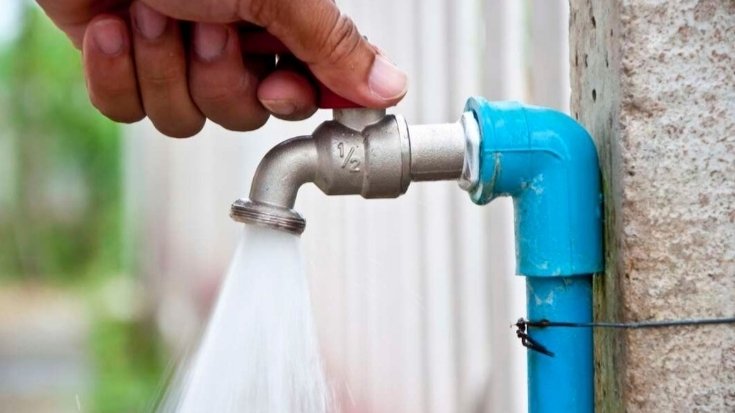

Kenya’s water sector lost an estimated Sh13.7 billion last year through leakages, illegal connections and other wastage. A regulatory report shows non-revenue water climbed from 44 percent to 48 percent in the 2024/25 financial year.
The Water Services Regulatory Board released the findings in its latest performance review. The document covers 94 water service providers and all 47 counties. Non-revenue water refers to water produced but never billed or paid for.
The losses amount to roughly 242 million cubic metres annually. That volume could supply millions of households currently facing shortages in towns and rural areas alike.
Water production rose nine percent to 504 million cubic metres. Sector turnover grew 14 percent to Sh32.8 billion. Yet nearly half the output never reached paying customers.
Water coverage edged up from 70 percent to 72 percent. An extra 1.26 million people gained access to piped services. The population served by regulated utilities increased six percent to 22.8 million.
Active connections grew only one percent to 1.87 million. Many new users rely on shared or communal points rather than individual household meters. This pattern affects service equity in informal settlements.
Drinking water quality improved markedly. The national average rose from 89 percent to 96 percent as utilities better met safety standards. Supply hours increased from 17 to 18 per day on average.
Per capita consumption stayed low at 26.68 litres daily. The figure falls well short of the 50 litres recommended minimum for basic needs.
Sanitation coverage lifted from 92 percent to 93 percent. Sewer connections reached 16 percent of the population after adding 240,701 people. Only 58 percent of sanitation services are safely managed according to the regulator.
Utilities improved financial sustainability. Cost coverage rose from 98 percent to 103 percent, meaning most now generate enough revenue for operations without heavy subsidies.
The report identifies non-revenue water as the biggest ongoing threat. Reducing losses through better metering, repairs and theft control could expand access without massive new production capacity.
The industrial park and other infrastructure projects often depend on reliable water supply. Persistent losses undermine broader development goals in counties across the country.
Comments (0)
Leave a Comment
No comments yet. Be the first to share your thoughts!