
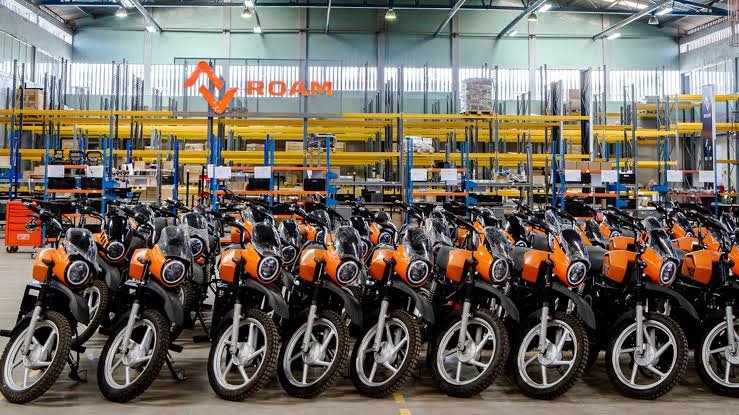

The "lipa pole pole" motorcycle acquisition model, which has long served as a lifeline for thousands of young Kenyans entering the transport sector, is currently under siege from a wave of calculated fraud.
Lenders and dealers are reporting an increase in cases where clients intentionally default on payments after disabling tracking devices. These schemes are no longer simple cases of financial distress, but are instead organized efforts to ghost creditors.
At the heart of these operations is a set of increasingly sophisticated tactics designed to defeat tracking and identification systems. Number plate alteration is among the most common methods used to hide the identity of a motorcycle while it is still under a lien.
By changing plates or using forged documentation, rogue operators ensure that law enforcement and recovery teams cannot easily spot the units on the road. This makes manual repossession nearly impossible once the digital trail goes cold.
Beyond physical disguises, these individuals are reportedly using signal jammers or physical removal of GPS units to ensure the assets are no longer visible on monitoring dashboards. This technological bypass allows them to relocate the bikes to remote areas.
For many dealers, the "lipa pole pole" system was built on a foundation of trust and basic digital security. However, the rise of fake thefts has forced a rethink of how risk is assessed during the initial vetting process.
Some clients report their motorcycles as stolen to the police, obtaining abstract reports that they then present to the financing company. In reality, the motorcycle has been sold as "parts" or moved across borders to evade recovery.
These fake theft reports serve a dual purpose. They provide a legal shield for the client to stop making payments, while the actual asset is liquidated in the second-hand market for a quick profit.
The impact on the credit market is becoming visible. Financing companies are being forced to tighten their requirements, which unfortunately affects genuine borrowers who rely on these flexible payment plans to earn a living.
Dealers are now calling for more integrated systems between the National Transport and Safety Authority and private tracking firms. They argue that a centralized database of flagged units could prevent the re-registration of stolen or defaulted motorcycles.
Without stronger enforcement and more resilient tracking technology, the future of accessible motorcycle financing in Kenya remains at risk. The sector, which supports millions, cannot afford a breakdown in the credit cycle.
While the government has made strides in digitizing transport records, the manual nature of some "lipa pole pole" agreements leaves loopholes. These gaps are exactly what the current crop of rogue clients is exploiting to stay ahead of the law.
Industry players are now considering higher deposits or more stringent guarantor requirements. This shift reflects a defensive stance against a growing culture of non-payment and asset hiding that threatens the entire bodaboda economy.
Comments (0)
Leave a Comment
No comments yet. Be the first to share your thoughts!