
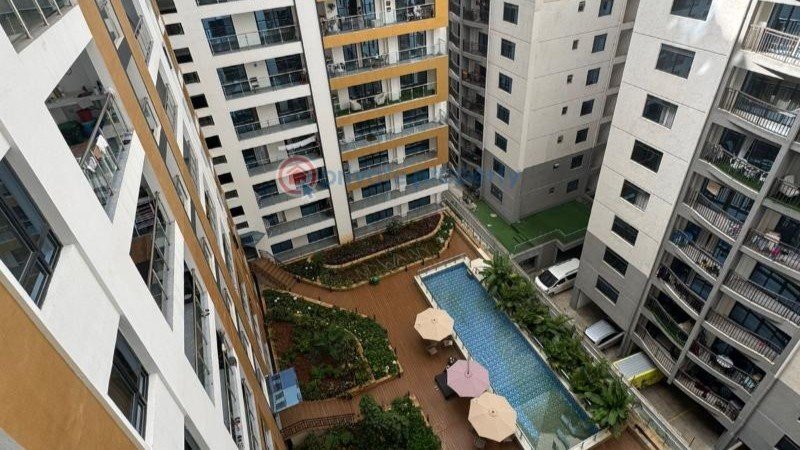

High-density apartment developments in key residential nodes across the capital are facing fresh pricing pressures. Recent market data shows rental rates slipping across several popular estates, even as the wider property market logs modest gains.
The quarterly property index released by real estate firm HassConsult highlights a widening split between suburban markets. Neighborhoods like Ruaka, Kitengela, Upper Hill, and Lang'ata registered notable rental drops over the past year.
Ruaka experienced the steepest annual apartment rental fall, dropping by 2.7 percent. Landlords in the area are adjusting pricing to retain tenants who now enjoy broader accommodation choices.
Kitengela recorded a quarterly rent decline of 1.9 percent, leading the fall among satellite towns. Rapid residential construction in the town has expanded available housing units faster than local demand can absorb them.
Commercial hubs and established suburbs are feeling similar market shifts. Upper Hill and Lang'ata also posted rental contractions, when corporate tenants scaled back physical office presence and residential space needs.
Industry analysts attribute these declines to a growing supply glut of high-density apartments. The influx of new housing units has given tenants stronger bargaining power, which limits landlord pricing leverage.
Changing economic reality is also reshaping household spending across the country. Higher living costs have forced many families to seek cheaper housing options, when lease renewal dates approach.
Workplace practices continue to alter traditional settlement patterns in Nairobi. Widespread adoption of remote and hybrid work models allows employees to live further from the Central Business District (CBD).
Corporate downsizing has further weakened residential demand in commercial hubs. Reduced expatriate staffing and tighter corporate budgets have dampened interest in high-end rental units, which previously commanded premium prices.
The market trend is not uniform across all residential areas. Pockets of strength remain in select suburbs where limited land availability keeps incoming housing supply strictly controlled.
Runda led gains among upscale suburbs with rents rising 3.4 percent during the quarter. Ridgeways and Spring Valley followed closely, as affluent renters prioritized low-density neighborhoods.
Satellite towns present a similarly divided picture. Thika recorded a 2.9 percent rental surge, while Athi River also registered steady growth, as industrial developments pulled in new workers.
The overall Nairobi suburb market saw average rents rise by 1.4 percent over the quarter. Satellite towns posted an average gain of 1.1 percent, although individual performance varied sharply by locality.
Property developers are now reviewing upcoming construction pipelines in oversupplied nodes. Future investments are expected to focus on middle-income housing projects, if demand fundamentals remain favorable.
Market analysts expect rental yields in high-density areas to stabilize gradually. Landlords may need to offer flexible lease terms, if they hope to maintain high occupancy rates in competitive estates.
Comments (0)
Leave a Comment
No comments yet. Be the first to share your thoughts!