
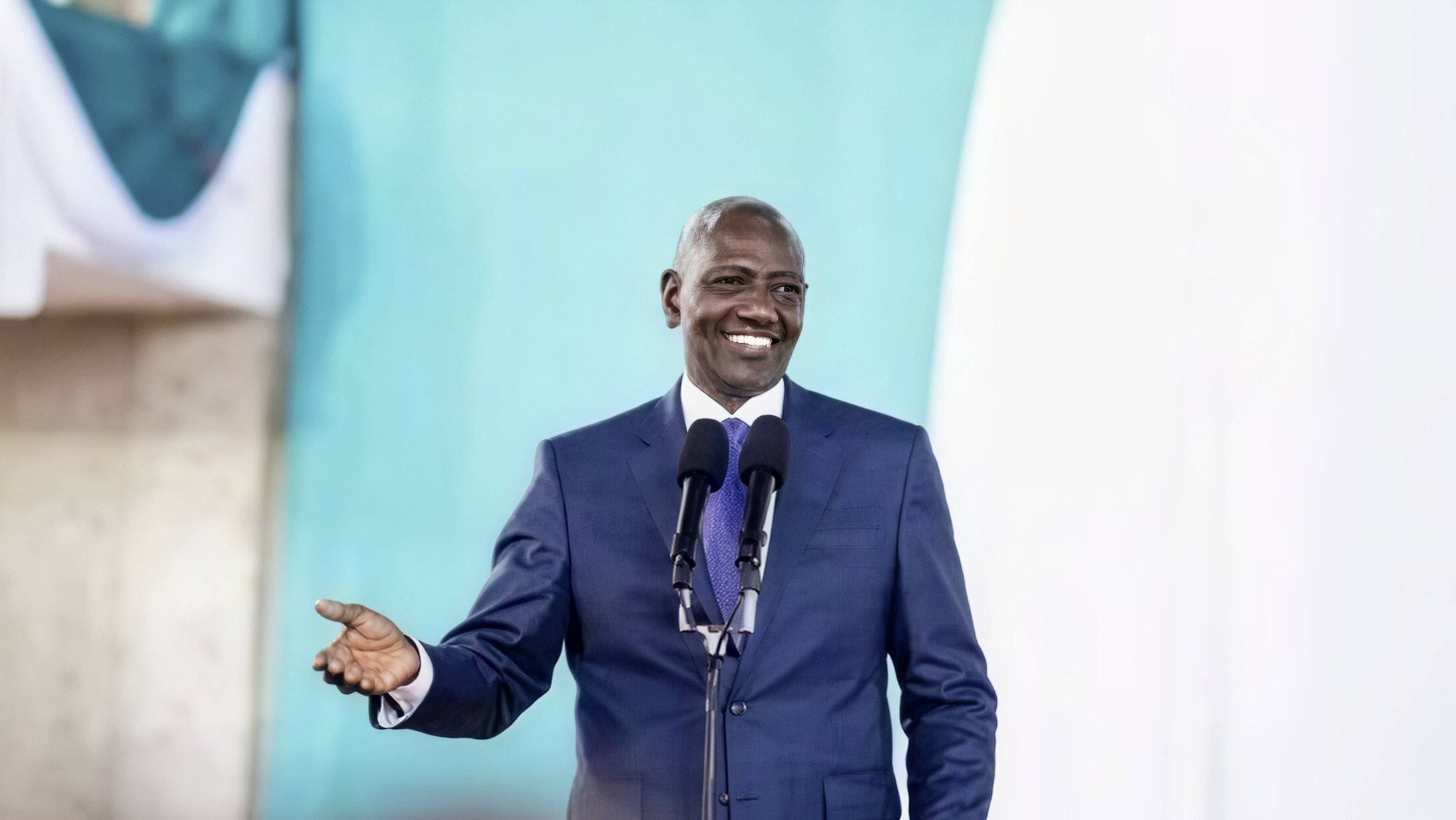

President William Ruto has announced that all students who qualify for admission to universities and colleges will receive full government funding for their higher education. The policy represents a significant shift from the current need-based system.
The President stated that any student who passes national examinations and secures placement in a public university or college will be fully supported. Parents will have the choice to contribute if they wish, but it will not be required.
The new model is expected to take effect in September 2026 once Parliament passes the necessary legislation. It will replace the existing Variable Scholarship and Loan Funding Model, which assesses students’ financial need to determine the level of support.
In practice, the government would shoulder the full cost of tuition, and potentially other related expenses, for eligible students in public institutions. This could be achieved through increased direct capitation to universities or an expanded scholarship programme administered through the Higher Education Loans Board or a new mechanism.
For the policy to work, several practical steps would be required. First, Parliament would need to approve the enabling Bill and allocate additional funds in the national budget. Second, clear eligibility criteria would be defined, most likely based on performance in national examinations and placement by the Kenya Universities and Colleges Central Placement Service.
Universities would receive higher per-student funding to cover the expanded intake without compromising quality. The government would also need to manage increased demand for places, possibly by expanding infrastructure or encouraging private sector participation.
The approach aims to remove financial barriers to higher education. It could significantly boost enrolment rates and improve equity, particularly for students from low-income backgrounds who previously relied heavily on loans.
Challenges include the fiscal implications of full funding and ensuring that quality and relevance of programmes are maintained as more students enter the system. Careful monitoring and phased rollout may help address these issues.
The announcement has generated discussion on sustainability and long-term impact. Details on exact funding mechanisms, selection processes and transition arrangements are expected as the Bill moves through Parliament.
Comments (0)
Leave a Comment
No comments yet. Be the first to share your thoughts!