
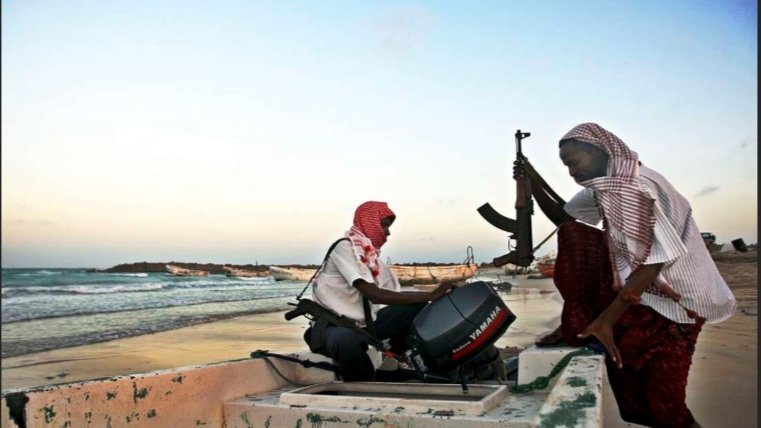

Somali pirates have taken control of a Tanzanian-flagged fuel and chemical tanker in the Gulf of Aden. The MT Asana was hijacked last week in Yemeni waters and has been moved into Somali waters. Residents in Puntland confirmed the vessel is now held by pirates.
One local who described himself as a former pirate said there are 20 crew members aboard, including eight Germans and 10 Filipinos. Another resident in Caluula observed pirates transporting food supplies to the ship. The United Kingdom Maritime Trade Operations had earlier classified the incident as a hijack after unauthorised personnel boarded the vessel.
Piracy off the Horn of Africa had declined significantly after international naval efforts and onboard security measures between 2008 and 2018. Activity began picking up again in late 2023. The latest incident raises fears of a resurgence that could threaten vital shipping lanes used for energy supplies and trade between Asia, Europe, and Africa.
The Gulf of Aden is a critical chokepoint for global commerce. Tankers carrying fuel and chemicals pass through the area regularly. Disruptions can affect prices and supply chains far beyond the region. Insurance costs for vessels in high-risk areas typically rise during periods of elevated pirate activity.
Kenya, as a major Indian Ocean port nation, has a direct interest in maritime security. Mombasa serves as an important hub for cargo destined for East and Central Africa. Safe passage through the Gulf of Aden supports regional trade and economic stability.
International responses to piracy have historically involved naval coalitions, private security teams, and capacity building for coastal states. The latest hijacking may prompt renewed calls for vigilance and coordinated action. Somali authorities in Puntland have sometimes played roles in negotiations or interventions, but governance challenges in the region complicate sustained efforts.
The incident comes at a time when global shipping faces multiple pressures, including Red Sea disruptions from Houthi attacks. Additional threats in the Gulf of Aden could further strain supply routes and increase costs for importers and exporters.
For the construction industry, reliable maritime transport of materials and equipment is essential for major projects. Delays or higher insurance premiums can impact budgets and timelines for infrastructure developments across East Africa.
Comments (0)
Leave a Comment
No comments yet. Be the first to share your thoughts!