
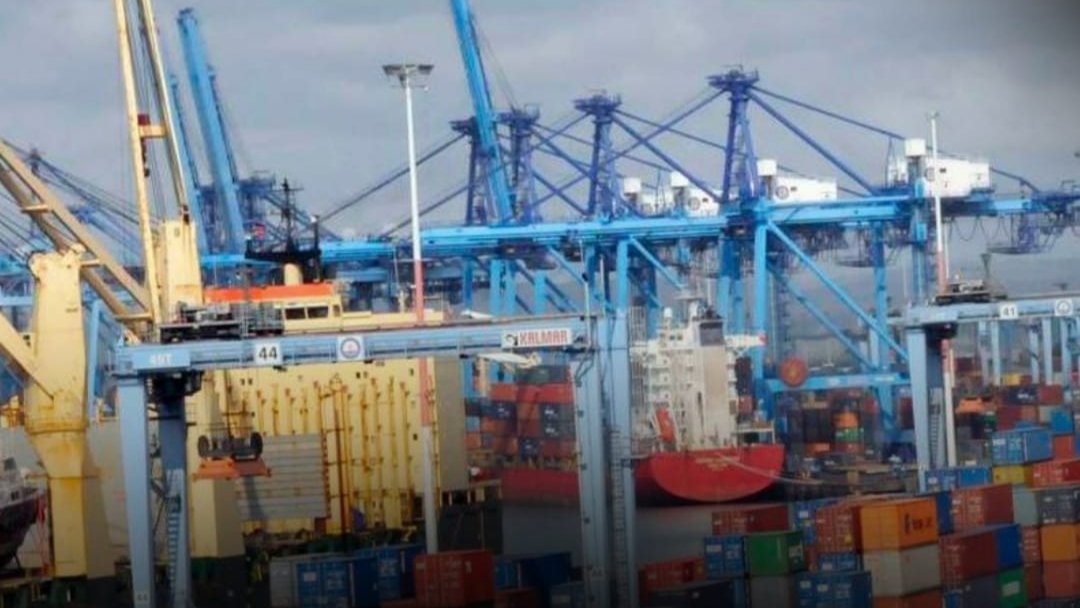

Importers in Kenya are bracing for higher business costs following a decision by Danish shipping giant Maersk to increase freight charges on cargo moving from China and Hong Kong to East African ports.
The new charges take effect on June 15. They revise the Peak Season Surcharge, or PSS, for shipments to Mombasa and Dar es Salaam. Maersk, which handles more than 60 percent of Kenya's cargo, said the rates will remain in force until further notice.
For a 20-foot container arriving at Mombasa, the surcharge rises to Sh130,000 from Sh118,000. The jump proves far steeper for 40-foot containers, climbing to Sh260,000 from Sh142,000. Industry players describe this as one of the most significant freight increases in recent years.
China stands as one of Kenya's largest trading partners. It supplies consumer products, industrial equipment, electronics and substantial volumes of construction materials. Steel products, machinery and other inputs essential for roads, housing and large infrastructure schemes make up a notable share of these imports.
East African economies depend heavily on Chinese goods. Businesses draw on the Asian giant for machinery, vehicles, raw materials and manufactured items that keep projects moving. Trade data show China accounts for about a quarter of the region's imports.
Kenya imported goods worth approximately $4.3 billion from China in 2025. Key categories included machinery, industrial equipment, electronics, vehicles, construction materials and steel products. Exports to China remain modest, mainly agricultural goods and titanium ore.
This imbalance leaves local businesses exposed when shipping costs climb. Higher freight charges translate into elevated landed costs. Those expenses often pass down the supply chain to contractors and end users.
Clearing and forwarding agents voiced concern. Kenya Ships Agents Association CEO Elijah Mbaru pointed to mounting pressures across global networks. He cited ongoing conflict in the Middle East, disruptions at South-East Asia ports and fears of an energy crisis later in 2026.
Mbaru noted that shipping lines continue rerouting vessels and adjusting schedules. Delays at transshipment hubs such as Singapore and Port Klang have worsened the situation.
Mombasa-based agent John Mwasingo expects more lines to follow suit. He highlighted congestion at Dar es Salaam Port as a factor that could drive Tanzania-bound charges higher in coming months.
Maersk's customer notice specifies that the revised surcharge applies to non-spot bookings. It follows freight payment terms agreed at booking and ties to the scheduled departure date of the first water leg. Additional local port fees and other surcharges still apply.
Freight rates on major routes have already more than doubled compared with pre-conflict levels. The latest PSS revision adds another layer of pressure on businesses still recovering from earlier supply chain shocks and currency fluctuations.
For the construction sector, the implications appear immediate. Steel, equipment spares, prefabricated components and related inputs frequently arrive via these routes. Contractors working on government-funded roads, affordable housing schemes and private developments may see margins squeezed or timelines reviewed.
Economist James Mwangi described shipping costs as a critical component of total import expenses. Any increase affects product prices across multiple sectors, including those tied to infrastructure delivery.
As the June 15 deadline nears, importers are assessing options. Some may review procurement strategies or renegotiate contracts. Others could explore alternative sourcing, though China's dominance in price and availability limits quick shifts.
The development underscores Kenya's reliance on maritime logistics through Mombasa. With container volumes rising and global disruptions persisting, the cost environment for imported construction inputs looks challenging in the near term.
Comments (0)
Leave a Comment
No comments yet. Be the first to share your thoughts!