
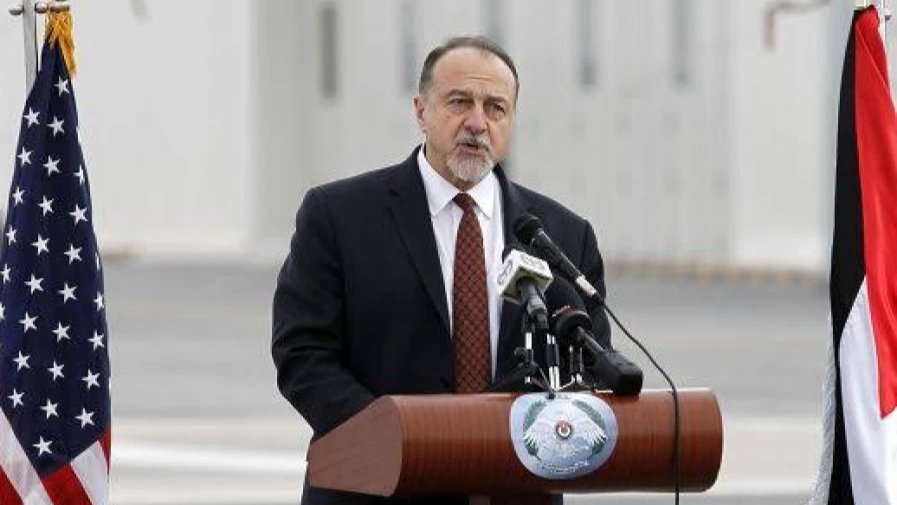

President Donald Trump nominated veteran diplomat Henry Wooster as the next United States ambassador to Kenya. The White House made the announcement on June 1, forwarding the name to the Senate for confirmation.
Wooster, from Virginia, holds the rank of Minister-Counselor in the Senior Foreign Service. If approved, he will replace the previous ambassador and lead one of Washington's most important missions in Africa.
His extensive background spans multiple high-profile postings. Wooster currently serves as Chargé d'Affaires at the US Embassy in Port-au-Prince, Haiti. He previously acted as US Ambassador to Jordan from 2020 to 2023.
Other roles include Deputy Chief of Mission in Paris, Political Counselor in Islamabad, and positions in the National Security Council and Near Eastern Affairs Bureau. Before diplomacy, he served as an officer in the US Army.
The nomination arrives at a time of deepening bilateral ties between the US and Kenya. Recent high-profile collaborations include health infrastructure projects, such as the now-contested Ebola quarantine facility at Laikipia Air Base.
From a construction standpoint, the ambassador's role often influences major infrastructure and development financing channels. US support has backed various Kenyan projects in transport, energy, and health facilities through agencies like USAID and the Millennium Challenge Corporation.
Wooster's experience in complex regions could shape discussions around project delivery in Kenya. Bilateral agreements frequently involve infrastructure upgrades at strategic sites, including military-linked developments that require specialised retrofitting.
Examples include biosafety-compliant medical centres, where works involve isolated wards, advanced HVAC systems, and secure perimeters. Such builds leverage existing base infrastructure for faster deployment while meeting stringent international standards.
Kenya's real estate and public works sectors have benefited from US-linked funding in the past. Projects range from road improvements to hospital expansions. Diplomatic leadership in Nairobi plays a quiet but important part in navigating approvals, funding releases, and dispute resolutions.
The Laikipia Air Base case illustrates these intersections. Court orders recently halted related works pending disclosures. A new ambassador may engage on such matters as part of broader partnership reviews.
Wooster's track record in Jordan and Haiti involved managing relations in areas with significant infrastructure and security components. His military background could prove useful in conversations around dual-use facilities in Kenya.
For Kenyan contractors and international firms active locally, the appointment signals continuity in US engagement. Many projects depend on stable diplomatic channels for permits, environmental clearances, and financing guarantees.
The Senate confirmation process typically takes months. During the interim, Chargé d'Affaires Susan M. Burns continues to handle embassy affairs.
Construction industry observers note that ambassadorial picks can subtly shift priorities. Focus areas often include trade facilitation for building materials, skills transfer in engineering, and support for private sector developments.
Wooster holds an M.A. from Yale and a B.A. from Amherst College. His family includes wife Laura Dallman and four children.
This nomination underscores Kenya's strategic importance to US interests in East Africa. Security cooperation, trade, and development assistance form the core pillars.
In the infrastructure space, ongoing works in ports, airports, and urban housing could see sustained American interest. Past programmes have supported capacity building for local firms in areas like sustainable construction and project management.
As Wooster awaits confirmation, attention in Nairobi turns to how his tenure might address current challenges. These include balancing large-scale projects with community concerns and regulatory compliance.
The move follows recent judicial setbacks for certain US-backed health initiatives. It highlights the diplomat's potential role in smoothing relations across government, courts, and civil society.
Kenyan construction stakeholders will watch closely for signals on future collaboration. Strong bilateral ties have historically translated into tangible opportunities in roads, energy, and institutional buildings.
Comments (0)
Leave a Comment
No comments yet. Be the first to share your thoughts!