
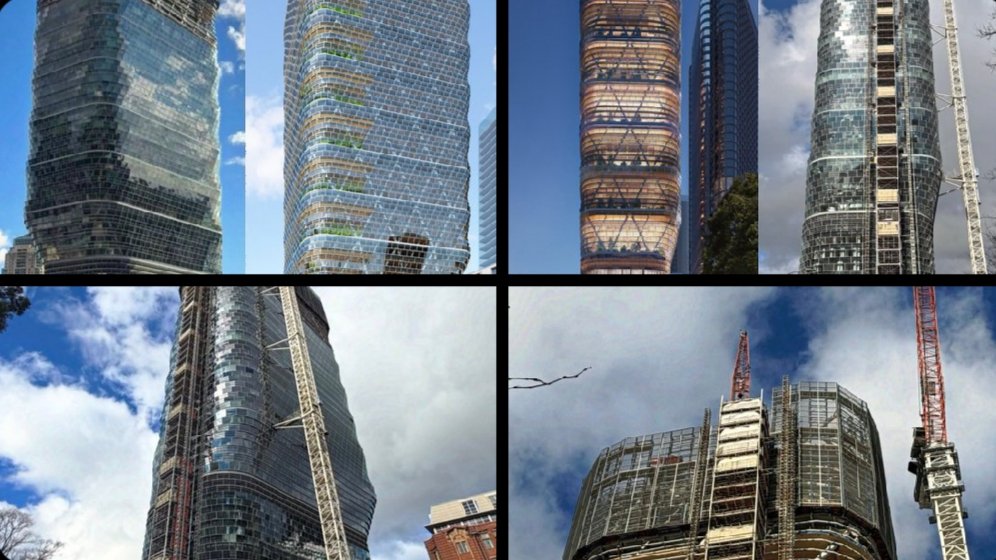

Construction of the world’s tallest hybrid timber building has reached a major milestone. The 39-storey tower for Atlassian’s new headquarters in Sydney has topped out. The project at Central Station features a hybrid mass timber structure with a steel exoskeleton, designed by SHoP Architects and BVN Architecture.
The AUD 1.4 billion development is expected to complete in 2027. Images from the site show steady progress on the innovative structure. Hybrid timber construction combines the sustainability benefits of mass timber with the strength and flexibility of steel. Such approaches are gaining traction globally as the industry seeks lower-carbon alternatives to traditional concrete and steel buildings.
Atlassian’s new headquarters reflects the company’s commitment to innovative and environmentally conscious design. The building will serve as a landmark for the tech firm while contributing to Sydney’s evolving skyline. Central Station’s location provides excellent connectivity for employees and visitors.
Hybrid timber buildings offer several advantages. Timber sequesters carbon during growth, and mass timber systems can reduce construction emissions compared to conventional materials. The steel exoskeleton provides additional strength and allows for larger spans. The combination enables taller timber structures while meeting stringent safety and performance requirements.
The project highlights growing interest in sustainable construction methods. Cities worldwide are exploring timber and hybrid solutions to meet climate targets and reduce the built environment’s carbon footprint. Sydney’s progress on this front could influence similar developments in Australia and beyond.
For the global construction industry, projects like Atlassian’s headquarters demonstrate technical feasibility of tall timber buildings. They drive innovation in materials, engineering, and supply chains. Kenyan and African construction professionals monitoring global trends may find lessons applicable to emerging sustainable building practices on the continent.
Completion in 2027 will mark a significant achievement in hybrid construction. The building’s performance post-occupancy will provide valuable data on long-term durability, energy efficiency, and user experience.
Comments (0)
Leave a Comment
No comments yet. Be the first to share your thoughts!