
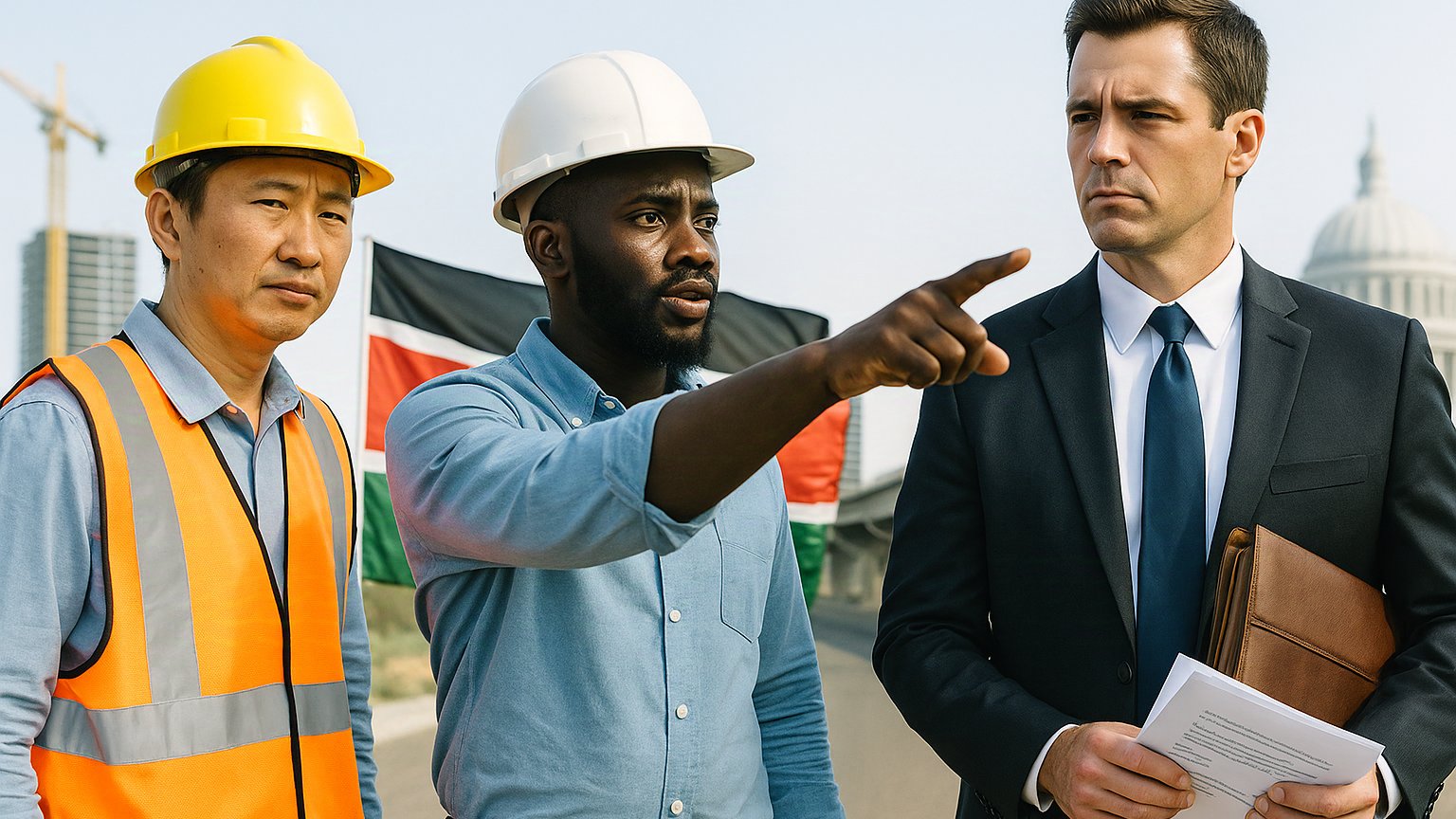

Kenya, like many ambitious African nations, is on a massive infrastructure drive. From the Nairobi Expressway to the ongoing quest for affordable housing and water security, the mjengo (construction) spirit is alive. Yet major projects often face frustrating delays, spiralling costs, and endless red tape. A recent analysis proposes a provocative answer to global infrastructure inequality: China is run by engineers, while the United States is run by lawyers. This argument offers a valuable framework for Kenya’s leadership and policymakers as the nation pursues Vision 2030.
The Chinese model, known for breathtaking speed, is rooted in its leadership’s technical background. Former President Hu Jintao was a hydraulic engineer, and current President Xi Jinping studied chemical engineering. This preference for technocrats means the government views society not as a political battleground but as a system that can be optimised. The results are staggering. In just three decades, China built a high-speed rail network longer than the rest of the world combined and poured more concrete in three years than the U.S. did in the entire 20th century. Their leadership culture prizes measurable economic growth, new infrastructure and higher tax revenue. An official’s career success depends on the visible, tangible projects they deliver.
For Kenya, which desperately needs fast and efficient project delivery, this model is alluring. The Chinese system enables entire neighbourhoods to be cleared in months to make way for new stations, avoiding decades of disputes seen elsewhere. Concrete and steel become visible proof of progress, a source of national pride and governmental legitimacy.
Across the ocean, the American experience is different. The U.S. political class is dominated by a legalistic mindset: around 40% of Congress members have a law degree, compared to roughly 5% trained as engineers. Lawyers are trained to spot risks, anticipate conflict and protect rights. While this is vital for safeguarding citizens, it can be a “disaster when you’re trying to move a bulldozer.” The result is infrastructure paralysis. For instance, California’s high-speed rail project, announced in 2008, remains largely unfinished with soaring costs.
Comments (1)
Leave a Comment
Emerald Wanjohi
Oct 14Phabian Muok ✓
Oct 15