

A version of this article appeared on Business Daily.
Ole Kasasi is a neighbourhood of striking contrasts. The former pastoral settlement in Kajiado ranks among the fastest-growing Nairobi satellite towns.
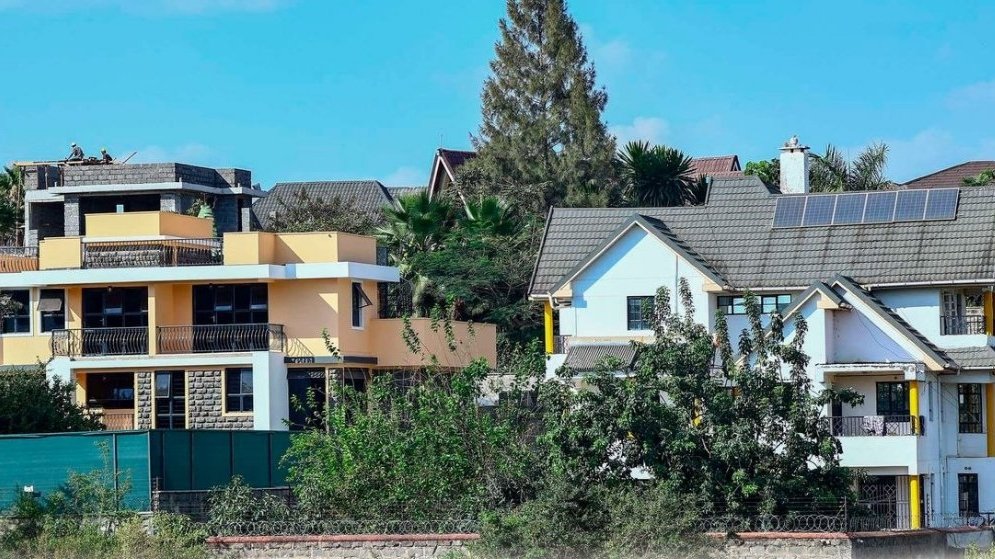
Urbanisation is changing the landscape, yet the area has not entirely shed the customs that predate the construction boom. Small shops, hardware stores and rental houses line the roads leading in. Further inside, newly built apartments and gated communities rise among older family homes and open stretches of land.
Students rent modest rooms while families buy four-bedroom houses priced in the tens of millions of shillings. Developers put up apartments as sellers divide former expanses into smaller plots.
“Here, when we talk about gated communities, most of those units will have at least four bedrooms,” says Linda Mokeira, chief executive of real estate agency Jalisa Limited.
For families seeking more space, developers chasing demand and students looking for cheap accommodation, Ole Kasasi has become an increasingly attractive destination. Much of this transformation has happened in little more than two decades.
For long-time residents and land sellers, the history stretches further back to a time when the area was largely pastoral land known as Erangau, or Rangau. One of the easiest entry points is from the Maasai Lodge stage, where tuk-tuks and taxis ferry residents and visitors.
About three kilometres in stands the Ole Kasasi Police Station, one of the area’s best-known landmarks. Around it, small shops, eateries, hardware stores and rental houses reflect the commercial activity that has accompanied population growth.
For Teketi Kimunyak, a long-time land seller, the story begins with one family that owned almost 1,000 acres. The land was eventually subdivided and sold, bringing in more settlers.
In its early years Ole Kasasi was largely residential and pastoral. The Maasai were the dominant community and commercial activity remained limited. “People started settling because the place was peaceful, with a lot of fresh air,” Mr Kimunyak says.
Development from Rongai pushed further into Kajiado East. Amenities such as African Nazarene University, hospitals and commercial buildings appeared. Rongai itself expanded toward Ole Kasasi.
Land prices capture the shift most clearly. About 15 years ago an acre could be found for Sh300,000 to Sh500,000. Today an acre in prime sections can fetch as much as Sh30 million. Further inland the price ranges from Sh16 million to Sh20 million.
An eighth of an acre around Nazarene University down to the Maasai Lodge costs between Sh3.5 million and Sh5 million. The rise reflects demand for space that has become scarce in Nairobi.
Families want standalone houses, a compound, greenery and a quieter environment. Diaspora Kenyans also seek investment properties. Developers are responding with gated communities and multi-unit projects, particularly near the university.
The university has created a parallel rental market of hostels, bedsitters and smaller apartments. A modern four-bedroom house in a gated community sells for between Sh25 million and Sh35 million. Standalone homes can reach Sh50 million.
One-bedroom units rent for Sh10,000 to Sh25,000 a month. Modern two-bedroom units can exceed Sh35,000. Three-bedroom houses go for around Sh50,000. In gated communities rents can reach Sh75,000, with some landlords asking as much as Sh100,000.
The construction boom has brought shops and businesses but has also exposed gaps. Infrastructure and the sewer system remain challenges. There is no proper zoning. Water supply is another concern, with many residents relying on boreholes.
At a local hardware shop, Barnabas Ruto serves homeowners and builders. Tiles, toilets, pipes and cement move quickly. The property surge has created demand for building materials, transport, labour and related services.
Comments (0)
Leave a Comment
No comments yet. Be the first to share your thoughts!