
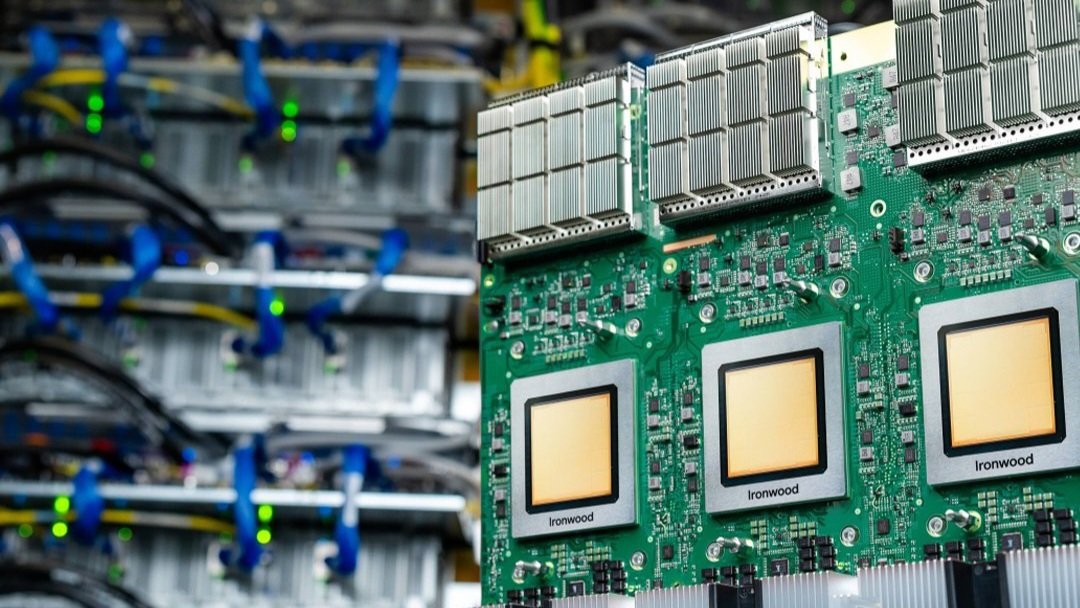

The global electronics market is facing a significant supply constraint as the artificial intelligence boom triggers a historic shortage of high-end memory chips. This supply squeeze, primarily driven by the massive processing requirements of AI models, is expected to ripple through multiple industries, including those responsible for modern infrastructure and automotive manufacturing.
According to data monitored by Bloomberg, the exponential demand for specialized semiconductors is making the procurement of standard components more expensive and, in some cases, nearly impossible for smaller players. While the focus remains on high-profile AI firms, the secondary effects are hitting the production lines of consumer electronics and the integrated systems used in smart buildings.
For the construction sector, this shortage impacts the cost of specialized hardware required for building automation, high-end security systems, and energy management software. As modern skyscrapers and urban developments increasingly rely on integrated digital foundations, the rising cost of the silicon chips powering these systems adds a new layer of budgetary pressure on global developers.
The automotive industry, which is still recovering from previous supply chain disruptions, is also firmly in the crosshairs. Modern vehicles require an extensive array of memory chips for navigation, safety features, and engine management. With AI developers outbidding other sectors for factory capacity, car manufacturers may face longer lead times and higher input costs that eventually reach the consumer.
The crisis centers on High Bandwidth Memory, or HBM, which is essential for the processors that train large language models. Manufacturing these chips is a complex, resource-heavy process that cannot be scaled overnight. Major semiconductor foundries are currently prioritizing these high-margin AI components, leaving less room for the more common chips used in household appliances and industrial machinery.
In Kenya and other emerging markets, where infrastructure projects are increasingly incorporating digital monitoring and IoT capabilities, these global price hikes could slow the adoption of new technologies. Contractors who rely on imported electronic equipment for site surveying, telematics, and heavy machinery automation are likely to see price adjustments from suppliers as the scarcity persists.
Industry analysts suggest that meeting the current demand for these chips will be a multi-year challenge involving billions of dollars in new fabrication plants. Until this capacity comes online, the competition for available silicon remains fierce. For project managers and procurement officers, this means that the "digital tax" imposed by the AI boom will likely remain a factor in financial planning for the foreseeable future.
The current trajectory indicates that as long as the AI race continues to accelerate, the cost of everything from a handheld smartphone to the sophisticated control systems of a multi-million-dollar infrastructure project will be subject to the volatility of the semiconductor market.
Comments (0)
Leave a Comment
No comments yet. Be the first to share your thoughts!