
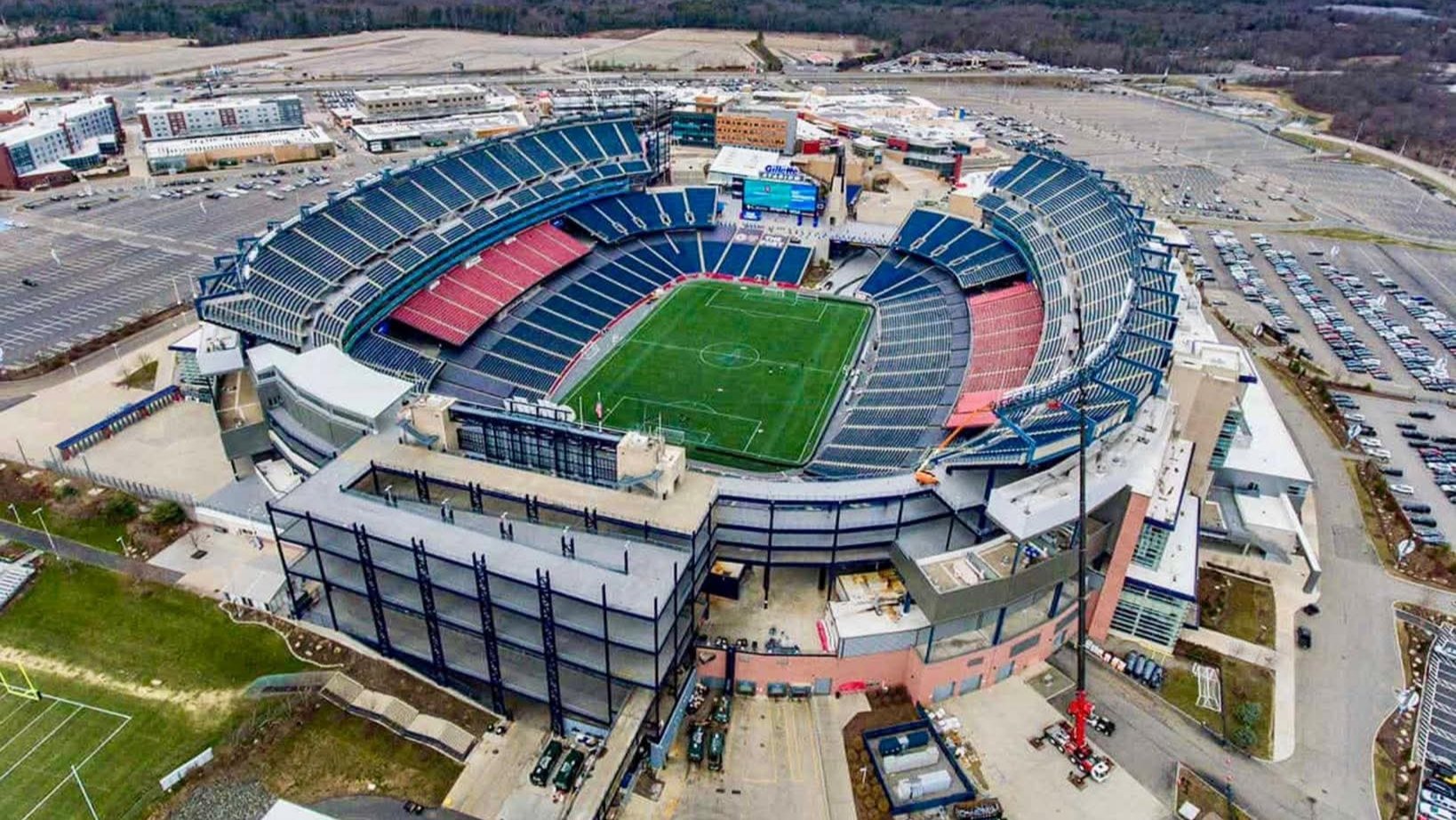

Gillette Stadium in Foxborough, Massachusetts, opens its World Cup account on Saturday night when Haiti face Scotland in match seven of the 2026 FIFA World Cup. For the tournament, it carries the name Boston Stadium, in line with FIFA's requirement to strip commercial branding from all host venues.
The Vision and Construction
Construction began on March 24, 2000, and the stadium opened on May 11, 2002, replacing the aging Foxboro Stadium, which no longer met National Football League (NFL) standards. Owner Robert Kraft funded the entire $325 million (approximately KES 42 billion) construction cost privately, without public subsidy.
That makes it one of the rare major American sports venues built entirely with private capital. Architect HOK Sport, now known as Populous, handled the design. Structural engineering was by Bliss and Nyitray, with Skanska as the contractor.
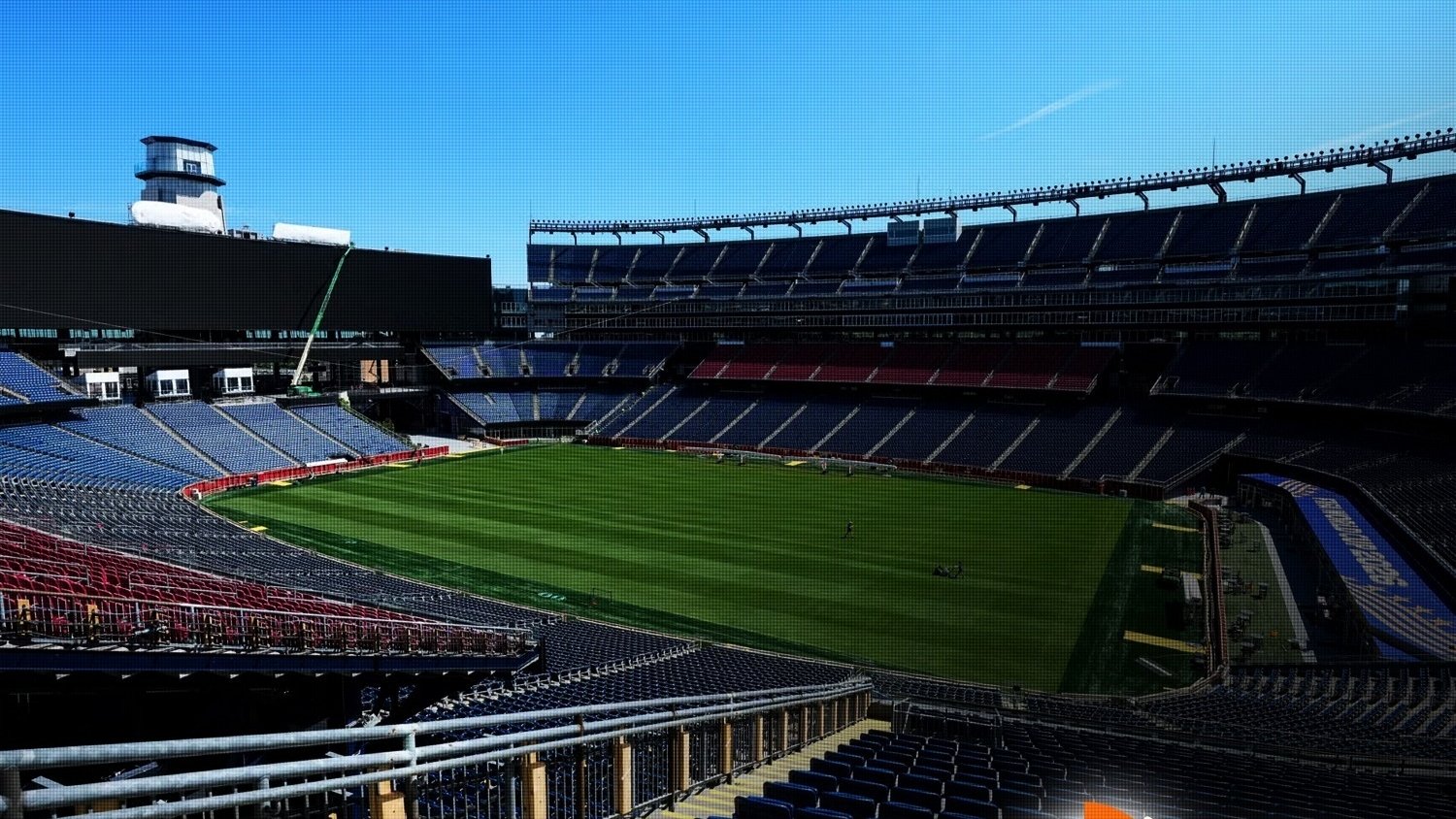
The interior of the Boston Stadium with the lighthouse visible in the distance /Citizen
The brief was to build a modern NFL venue that felt rooted in New England. The team delivered a split-level design that worked with the site's naturally occurring granite outcroppings, letting them define the west concourse and the playing field level.
World Cup Debut and International Events
The stadium serves as home to both the New England Patriots of the NFL and the New England Revolution of Major League Soccer (MLS). The 2026 tournament marks the return of the World Cup to the Boston area after 32 years.
Boston Stadium hosts seven matches in total, five group stage games, a Round of 32 fixture, and a quarterfinal on July 9. Haiti and Scotland open proceedings tonight, June 14 (4AM Kenyan time) both nations appearing after long absences. Haiti return for the first time since 1974. Scotland are back for the first time since 1998.
Engineering and Design
The design draws directly from New England's maritime identity. A lighthouse at the north end of the stadium has been its signature feature since opening. During the 2023 renovation, it was enlarged to 66.4 metres (218 feet) tall, equivalent to 22 stories, and fitted with a 360-degree observation deck called the Lookout.
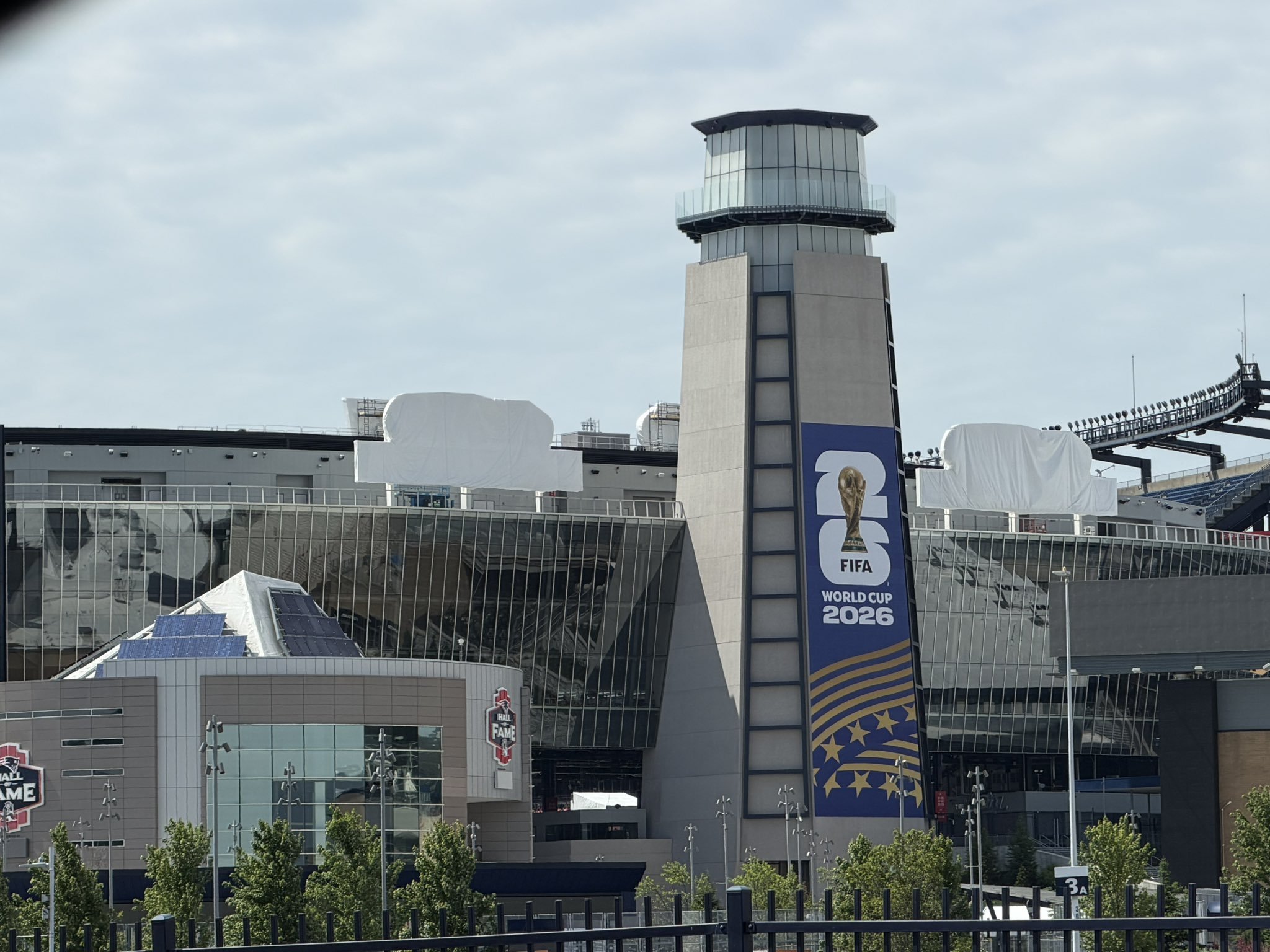
The Lighthouse at tee Boston Stadium /Ben Volin-X
The lantern uses Light Emitting Diode (LED) technology, paying tribute to the region's 160-plus historic lighthouses, including Boston Light, the oldest continually operated lighthouse in the United States. Its location anchors the visual axis of the north entrance plaza.
The 2023 renovation, carried out by Suffolk Construction at a cost of $250 million (approximately KES 32 billion), also introduced the largest outdoor curved-radius video board at any sports venue in the country, measuring 113 metres (370 feet) by 18 metres (60 feet).
Modern Setup for 2026
FIFA mandates natural grass. Gillette Stadium has played on FieldTurf synthetic surface since 2006, when a muddy November game prompted Kraft to make the switch permanently. For the World Cup, engineers replaced the surface using modular tray technology, growing grass off-site and installing it in sections. World Cup capacity stands at 63,815.
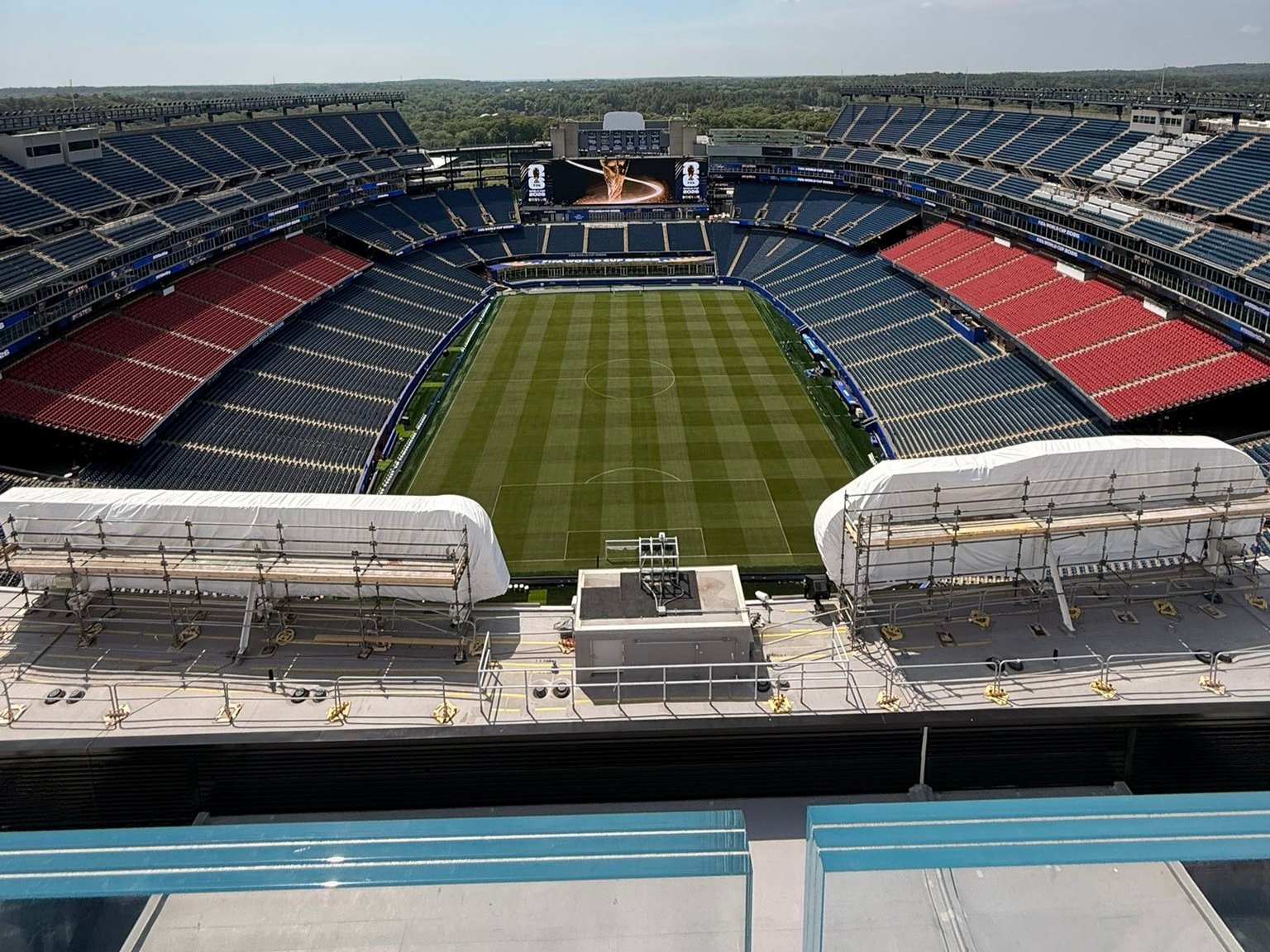
The seats at the Boston Stadium /Marlee Wielda/X
A 6,968-square-metre (75,000-square-foot) glass enclosure bridges the east and west club levels, functioning as a year-round hospitality space added during the 2023 works.
What Makes It Unique
No other stadium in this World Cup was built entirely from private funding. That fact has shaped everything from ownership structure to renovation decisions. Across its lifetime, Kraft has invested over $575 million (approximately KES 74 billion) in the venue without drawing on public money.
The lighthouse remains the most identifiable feature on the New England skyline outside Boston itself. Seven World Cup matches will play out beneath it before the NFL returns in the autumn.
Comments (0)
Leave a Comment
No comments yet. Be the first to share your thoughts!