
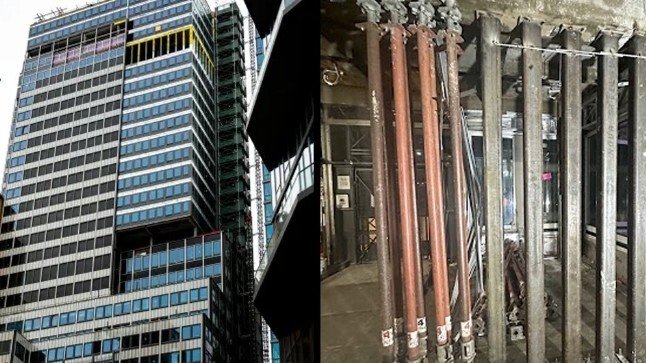

Concerns over a buckling or leaning tower in New York have drawn attention to the condition of tall buildings and the need for close structural monitoring. In a city filled with high-rise buildings, any sign of unusual movement can raise questions about safety, construction quality and what authorities may need to do next.
The first priority in such a situation is to determine why the building is moving or showing signs of structural distress. Engineers normally examine the foundation, supporting columns, beams, walls and other important parts of the structure. They may also use monitoring equipment to track whether the movement is continuing or has remained stable.
A building does not necessarily become unsafe simply because engineers detect movement. Tall structures can experience small changes caused by wind, temperature, settlement and other factors. The concern becomes greater when movement is unexpected, increasing or affecting important structural components.
Authorities would therefore need reliable engineering reports before deciding on further action. Depending on the findings, this could involve additional inspections, restrictions on parts of the building, repairs or closer monitoring. If there is an immediate safety concern, officials can also require occupants to leave while the problem is investigated.
The foundation is one of the areas engineers are likely to examine carefully. New York has different ground conditions across its five boroughs, and the performance of a tall building depends heavily on how its foundation transfers weight into the ground. Changes in surrounding construction or groundwater conditions can also require investigation.
Engineers may install sensors and surveying equipment to measure movement over time. This information can help establish whether the structure is slowly changing, moving during particular weather conditions or showing a pattern that requires urgent attention. Continuous monitoring can also help engineers assess whether repair work is having the intended effect.
If structural repairs are required, the work would depend on the cause of the problem. Engineers could recommend strengthening parts of the building, repairing damaged components or addressing foundation-related issues. Such work on a tall occupied building can be complex because repairs must be carried out without creating additional risks.
Residents and nearby property owners are also likely to seek clear information from building managers and city authorities. Regular updates can help reduce uncertainty while technical investigations continue. At the same time, officials have to rely on qualified engineers rather than public speculation when making decisions about safety.
The situation also highlights the importance of inspecting older buildings as well as newer towers. New York's skyline includes structures built under different construction standards and technologies. Regular inspections and maintenance help identify problems before they become more difficult or expensive to address.
For now, the key question is not simply whether a tower is leaning or buckling, but why it is happening and whether the movement is changing. Engineers, building officials and property owners will need to use measurements and structural assessments to determine the appropriate response.
The next stage will depend on those findings. If the movement is limited and stable, monitoring may continue alongside routine maintenance. If engineers identify a serious structural problem, more extensive repairs or restrictions could follow. The priority in either case is to establish the facts and protect people while the building's condition is assessed.
Comments (0)
Leave a Comment
No comments yet. Be the first to share your thoughts!