
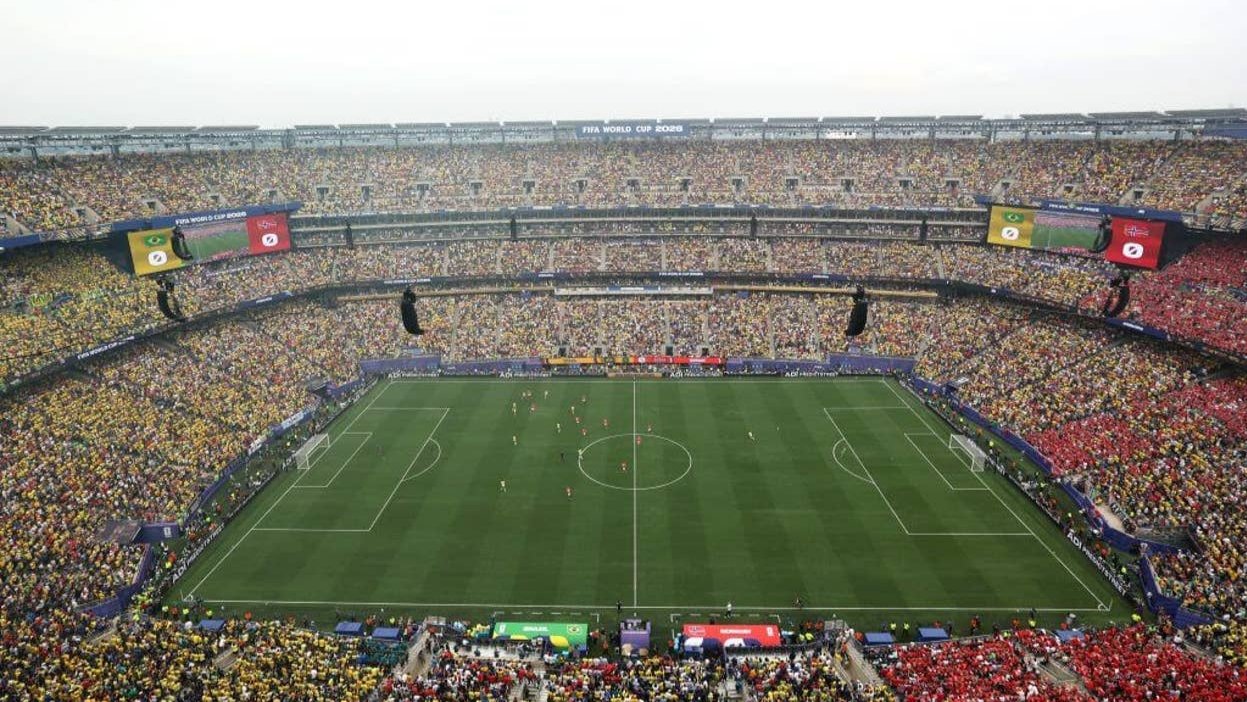

MetLife Stadium in East Rutherford, New Jersey, rebranded New York New Jersey Stadium for the tournament, is set to host the 2026 FIFA World Cup final on a playing surface that has drawn sustained criticism from players and pundits throughout the competition.
The stadium normally uses an artificial surface for its regular tenants, the NFL's New York Jets and Giants, meaning turf specialists had to install natural grass specifically to meet FIFA's requirement that all World Cup matches be played on real grass.
Preparation for the switch began roughly a year in advance, with the stadium hosting matches during the 2025 FIFA Club World Cup as a trial run for the turf installation process.
Venue pitch manager Blair Christiansen said the work involved developing a process tailored to the stadium's geography and climate, then integrating that plan into ongoing venue management ahead of the tournament proper.
Complaints about the surface emerged early in the World Cup, following a June 13 match between Brazil and Morocco at the venue. Players from multiple teams, including France and Brazil, have since raised concerns about pitch conditions affecting ball speed and footing during matches.
Sweden defender Victor Lindelöf offered a more measured assessment after playing there, describing the pitch as manageable rather than among the best surfaces he had encountered.
FIFA has defended the surface throughout the tournament, saying its turf management team assessed every World Cup pitch, including MetLife's, as healthy and performing as intended for elite competition.
The federation has pointed to more than five years of research, testing and collaboration with turf experts and stadium operators as part of its preparation for the tournament.
Beyond turf quality, the stadium has faced broader criticism over accessibility, having eliminated much of its surrounding parking ahead of the tournament, and over comparisons with newer World Cup venues in Los Angeles and Atlanta, both built with distinctive climate control features that MetLife lacks.
One issue that could have been avoided through venue selection is heat exposure. Unlike the semi-final venues in Dallas and Atlanta, which will be played indoors under climate control, the open air MetLife Stadium leaves the final exposed to whatever conditions occur on the day.
MetLife Stadium, which opened in 2010, was announced as the final's host venue in February 2024, a decision The Athletic described as a surprise to local officials at the time. The stadium had also widened its field by removing 1,740 corner seats to accommodate World Cup dimensions ahead of the tournament.
With the final now the last remaining test for the venue, FIFA's turf management approach faces its highest stakes assessment yet, on a pitch that has already drawn criticism through nine matches at the stadium and will now host the tournament's marquee fixture in front of a global audience.
Comments (0)
Leave a Comment
No comments yet. Be the first to share your thoughts!