
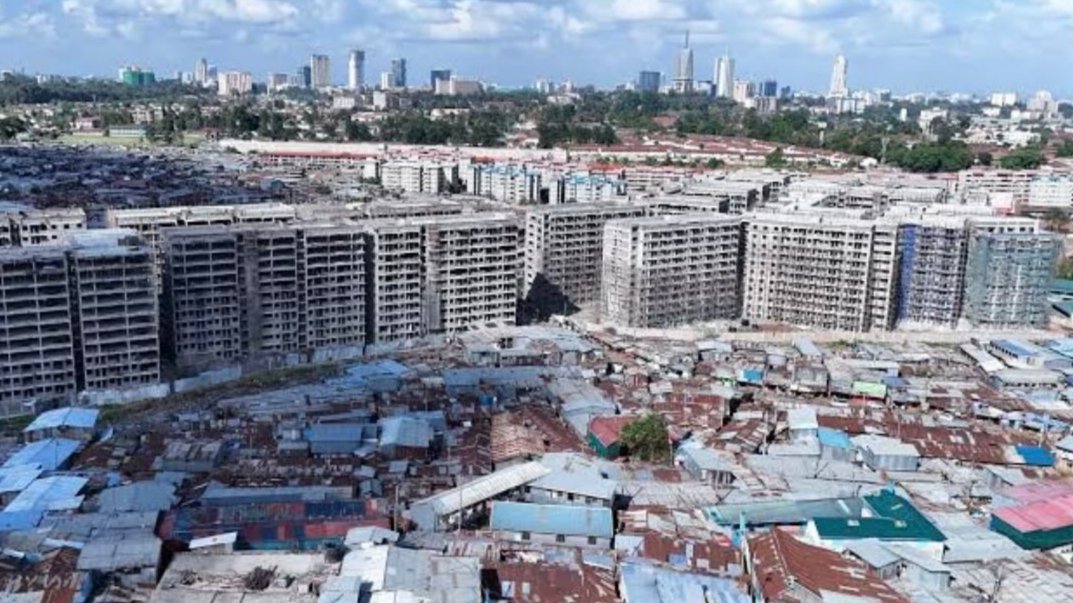

A post on X by @_fels1 claimed that the Affordable Housing Programme has delivered a significant boost by getting rid of slums and providing dignified housing. The statement included an image showing new buildings and attracted hundreds of likes along with numerous replies.
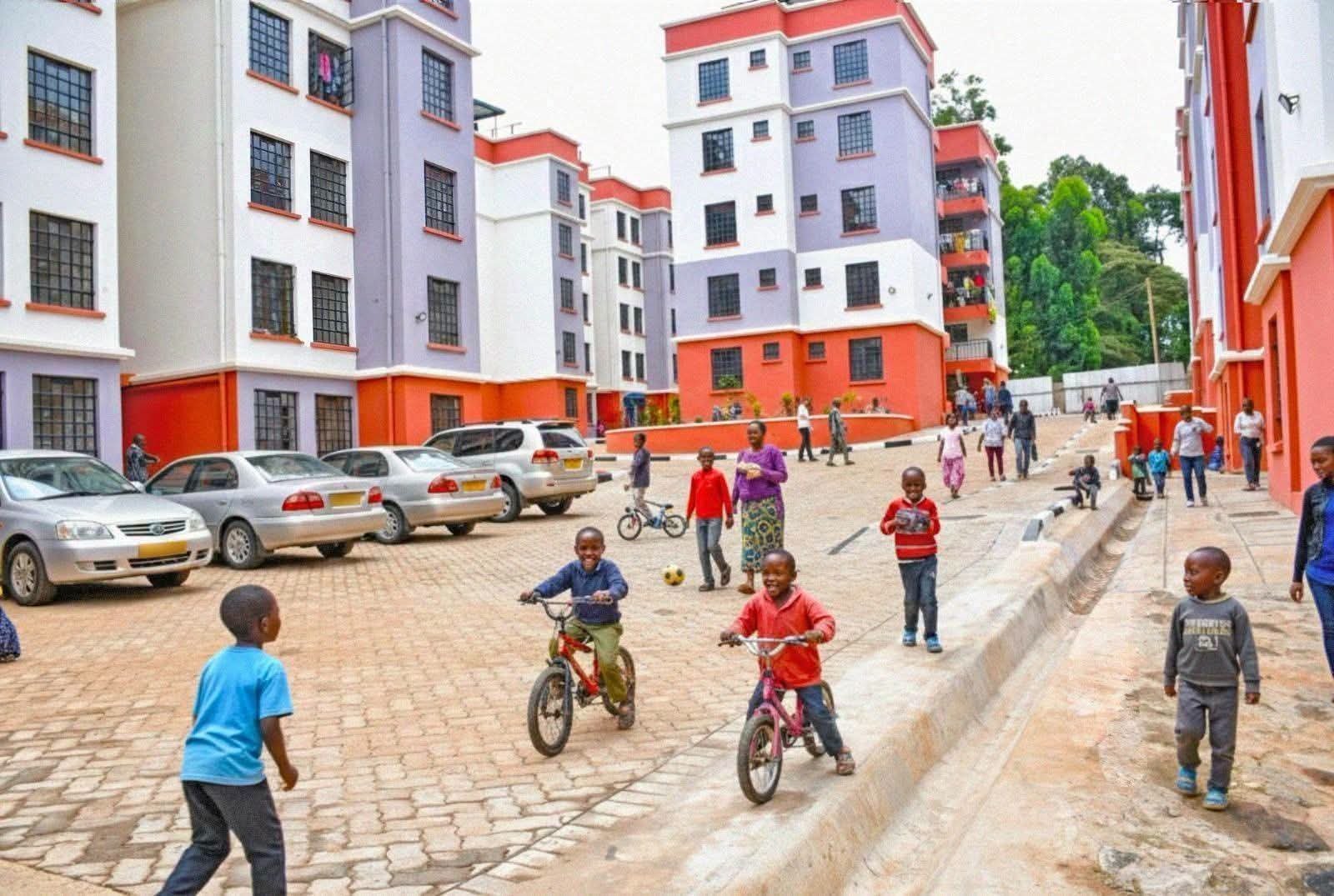
Boma Yangu estate. /Ja Loka-X
The discussion quickly drew questions. A widely shared screenshot asked why slum dwellers own cars if housing is the main problem. This post highlighted arguments that slums reflect income and economic challenges rather than a simple shortage of physical units.
David Ndii responded by outlining three categories of houses under the programme. Social, affordable and market rate units come with monthly repayments ranging from around 4,000 shillings to more than 10,000 shillings. He asked whether mixed living arrangements could work across income levels.
The exchange reflects broader public discussion on the programme’s impact. Supporters point to new developments as steps toward better living conditions. They highlight mixed income communities and job creation during construction phases.
Critics have asked which specific slums have been closed and where former residents have been relocated. The absence of clear examples forms a repeated concern in the discussion.
Many replies note that low income earners who pay modest rents in informal settlements may struggle with repayment levels. This affordability issue is cited as evidence that the programme may not reach the poorest households effectively.
A Business Daily opinion piece by Joe Mutugu described affordable housing as building dignity beyond physical structures. It called for an ecosystem approach involving land, financing, construction and professional management.
Kenya faces an annual housing deficit estimated at around 200,000 units. Rapid urban growth adds pressure on existing infrastructure. The programme seeks to address part of this demand through public private efforts and beneficiary contributions.
Construction activity under the programme has generated employment. Modern methods and local materials are promoted to control costs. Critics however continue to call for transparent data on completed projects, occupancy rates and actual transitions from informal settlements.
The debate also touches on transparency around beneficiary selection and estate management. Questions persist about long term sustainability and whether new estates will avoid problems seen in some past housing schemes.
The online discussion includes additional posts from David Ndii. One noted that AHP houses have been allotted to people living on the same land with plans to move residents from adjacent areas until Kibera is addressed. Another response addressed jobs creation through building houses.
The conversation reflects divided views on urban development priorities. Supporters see progress in organised settlements. Critics demand verifiable results on slum reduction and realistic assessments of affordability.
Housing developments in areas like Kibera have been cited as examples of ongoing work. Progress images show multi storey blocks rising in former informal zones. Their full effect on surrounding communities remains under evaluation.
Comments (0)
Leave a Comment
No comments yet. Be the first to share your thoughts!