

A version of this article appeared on The Conversation.
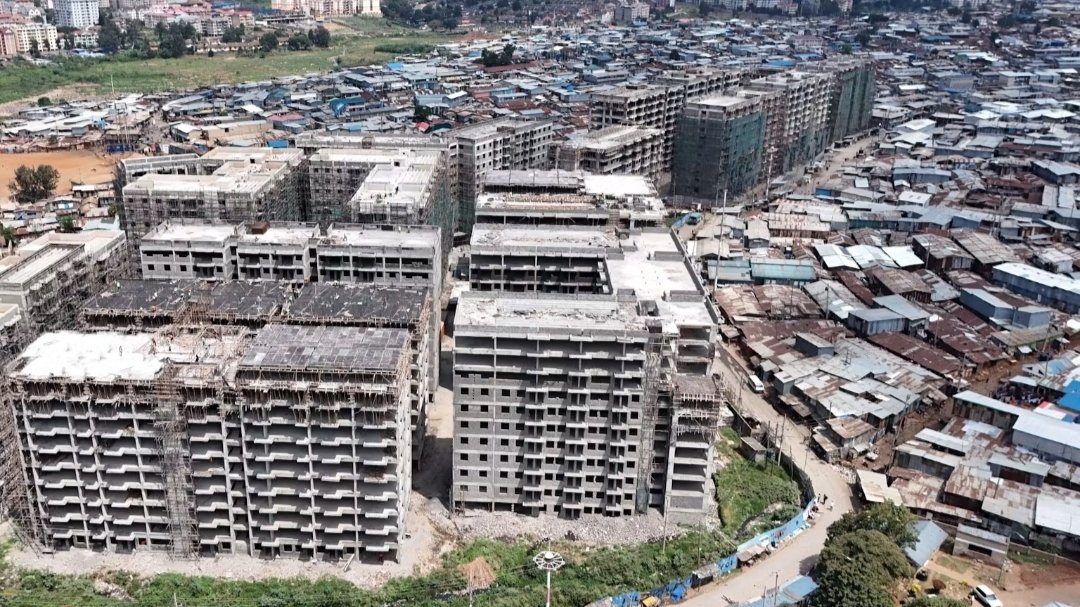
Nairobi’s largest informal settlement is undergoing visible change. In Kibera, bulldozers and construction crews are clearing space for new apartment blocks. Corrugated iron structures are giving way to more formal housing as part of the government’s affordable housing programme.
President William Ruto has highlighted the project in public videos. The initiative forms part of a broader effort to deliver hundreds of thousands of housing units annually. By March 2026, official figures showed thousands of units completed nationwide, though the annual target remains ambitious.
The redevelopment aims to improve living conditions in an area long associated with urban poverty. Kibera serves multiple roles in the city. It provides low-wage labour close to the centre, supports informal businesses and functions as a politically significant community.
Yet upgrading projects of this nature often face practical difficulties. Higher rents and maintenance costs can push original residents out. Better-off households may move in, leading to gradual replacement rather than broad inclusion. Research spanning decades in Nairobi’s informal settlements shows this pattern repeating across schemes.
In Kibera, residents facing demolition have expressed unease. Some received short eviction notices and modest relocation assistance. Many worry about whether they will qualify for new units and afford ongoing costs. The government has conducted resident enumeration and issued registration cards, but doubts remain about final allocation.
The allocation process in earlier Kibera projects relied on censuses, documentation and verification. Even then, disputes arose and required court oversight. Similar challenges could emerge here. Distinguishing between long-term tenants, structure owners and absentee landlords is not straightforward.
Informal housing in Kibera is rarely just shelter. Single rooms often double as workplaces or social hubs. Relocation can disrupt livelihoods even when physical conditions improve. Fixed costs in new apartments contrast with the irregular incomes many residents depend on.
Success will depend on more than the number of apartment blocks completed. Transparent beneficiary selection, protection for vulnerable tenants, affordable payment systems and support for local businesses could help retain original residents. Without these, the project risks becoming a form of gradual gentrification.
Kibera’s transformation carries symbolic weight. It tests whether large-scale urban upgrading can deliver genuine benefits to those who have lived there for years. The coming phases of construction and allocation will reveal how well the programme balances modern housing goals with the needs of existing communities.
Comments (0)
Leave a Comment
No comments yet. Be the first to share your thoughts!