
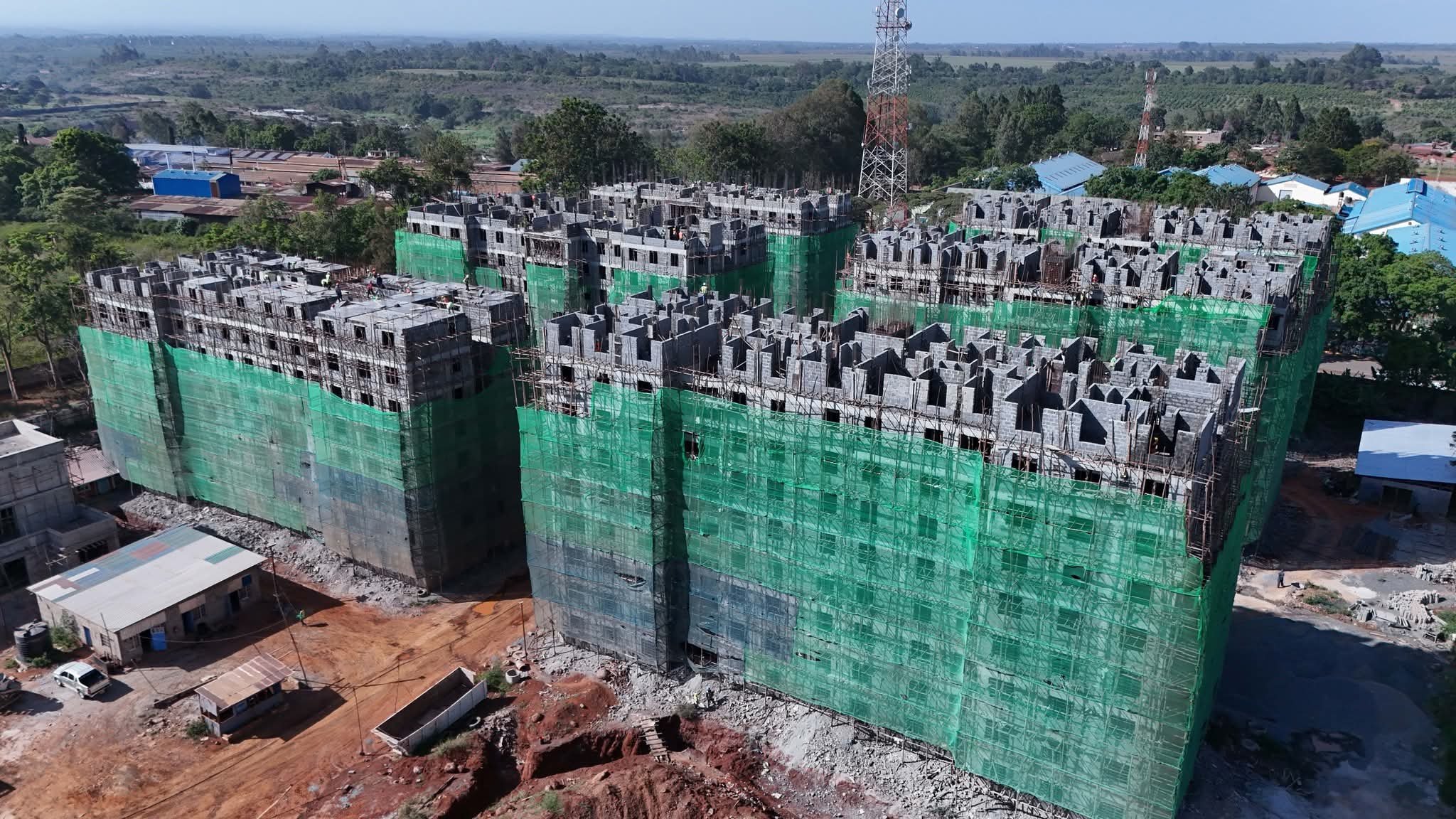

The Kenyan government has moved to decentralize technical expertise within its flagship Affordable Housing Program by deploying a new cohort of 5,500 interns. During a commissioning event held at State House on January 23, 2026, President William Ruto confirmed that these graduates would be stationed across all 47 counties. This deployment aims to provide professional oversight and practical experience as the state scales up its residential construction targets.
The recruited group comprises graduates from 41 distinct professional backgrounds. While the bulk of the cohort consists of civil engineers, architects, and surveyors, the intake also includes lawyers and other specialized professionals. These individuals are being integrated into over 240 private sector consulting firms currently contracted by the government. The move is designed to ensure that the technical management of project sites is supported by a steady pipeline of qualified personnel while addressing youth unemployment within the professional services sector.
Currently, official records indicate that over 240,000 housing units are at various stages of construction across the country. The government maintains that this massive infrastructure undertaking has already absorbed more than 500,000 workers. This labor force includes traditional artisans such as carpenters, masons, and electricians, as well as specialized subcontractors responsible for elevator installations, window systems, and steel fabrication.
The financial scale of the program is substantial, with an estimated 600 billion Kenyan shillings invested to date. This capital injection is intended to stimulate the local manufacturing sector by increasing the demand for building materials. According to the State House, the program is currently supporting upwards of 800 local companies and small businesses. By mandating the use of local materials and labor, the administration expects to force an expansion of domestic industrial capacity.
President Ruto defended the economic logic of the housing program, noting that using large-scale construction to revive stagnating economies is a proven global model. He cited the historical precedents of nations that utilized housing as a primary driver for industrialization and job creation. The administration continues to frame the project not just as a means of providing shelter, but as an essential tool for fiscal recovery and long-term economic stability.
However, the program remains a subject of significant public debate, particularly regarding the mandatory housing levy that funds these developments. Critics and taxpayers continue to weigh the immediate cost of the levy against the long-term benefits of infrastructure growth and job creation. As this latest cohort of interns moves to the field, the focus shifts toward the speed of delivery and the quality of the units being produced under this ambitious urban development strategy.
Comments (0)
Leave a Comment
No comments yet. Be the first to share your thoughts!