

A version of this article appeared on Business Daily.
Vast natural generation potential continues to clash with severe financing friction across the continent. While African nations share identical solar technology and exposure to sunlight with developed economies, local renewable energy capital costs remain roughly three times higher than those recorded across European markets.
This financial gap directly complicates large-scale utility expansion. Clean power installations across the region face inflated interest rates, elevated risk premiums, and strict institutional lending terms.
Consequently, energy infrastructure developers struggle to secure viable long-term funding, which keeps overall installed generation capacity exceptionally low relative to regional demand.
The situation forms a striking structural contradiction. Sub-Saharan regions hold unmatched capacity for solar, wind, and geothermal development.
However, high initial financing burdens ensure that millions of potential domestic consumers continue to live without reliable grid connections or access to affordable clean electricity.
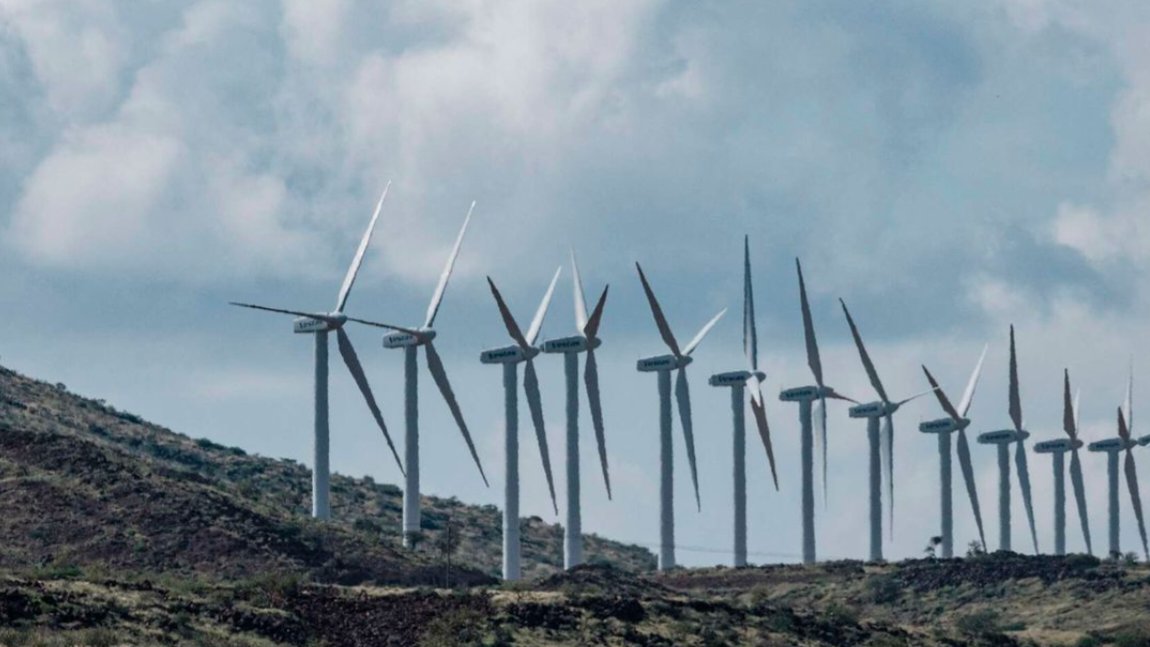
Large developments demonstrate both the scale of possibilities and the lingering operational context. For example, the Lake Turkana Wind Power (LTWP) project located in Loiyangalani district, Marsabit County, stands as a major installation in Northern Kenya, demonstrating that massive utility-scale engineering is physically achievable inside the country.
Yet, repeating such successes on a broader scale requires addressing deep systemic financing barriers.
Until capital procurement costs fall toward global benchmarks, the region will struggle to translate its vast natural endowments into accessible household power, keeping clean energy projects out of reach for many developing grid networks.
Comments (0)
Leave a Comment
No comments yet. Be the first to share your thoughts!