

A version of this article appeared on The Economist.
Governments across the African continent are renewing their focus on major capital investments, reopening debates on whether large-scale assets can deliver sustained economic acceleration. After years of fiscal consolidation following initial construction booms, policy planners are re-evaluating the role of primary transit, logistics, and energy corridors.
National treasuries and international development lenders previously pulled back from high-capital developments due to mounting sovereign debt burdens and prolonged execution schedules. However, persistent gaps in regional transport efficiency and power generation have forced decision-makers back to the drawing board.
Recent analysis highlights that cross-border trade costs remain significantly higher in sub-Saharan routes compared to global averages, driven by incomplete freight links and fragmented border posts. Industry observers note that targeted investments in heavy infrastructure may unlock industrial output if structural planning improves.
Financing models for these fresh initiatives are evolving rapidly to mitigate early-stage execution risks. Emerging capital structures rely less on direct state balance sheets and more on blended finance, sovereign wealth participation, and targeted multilateral guarantees to draw private investment.
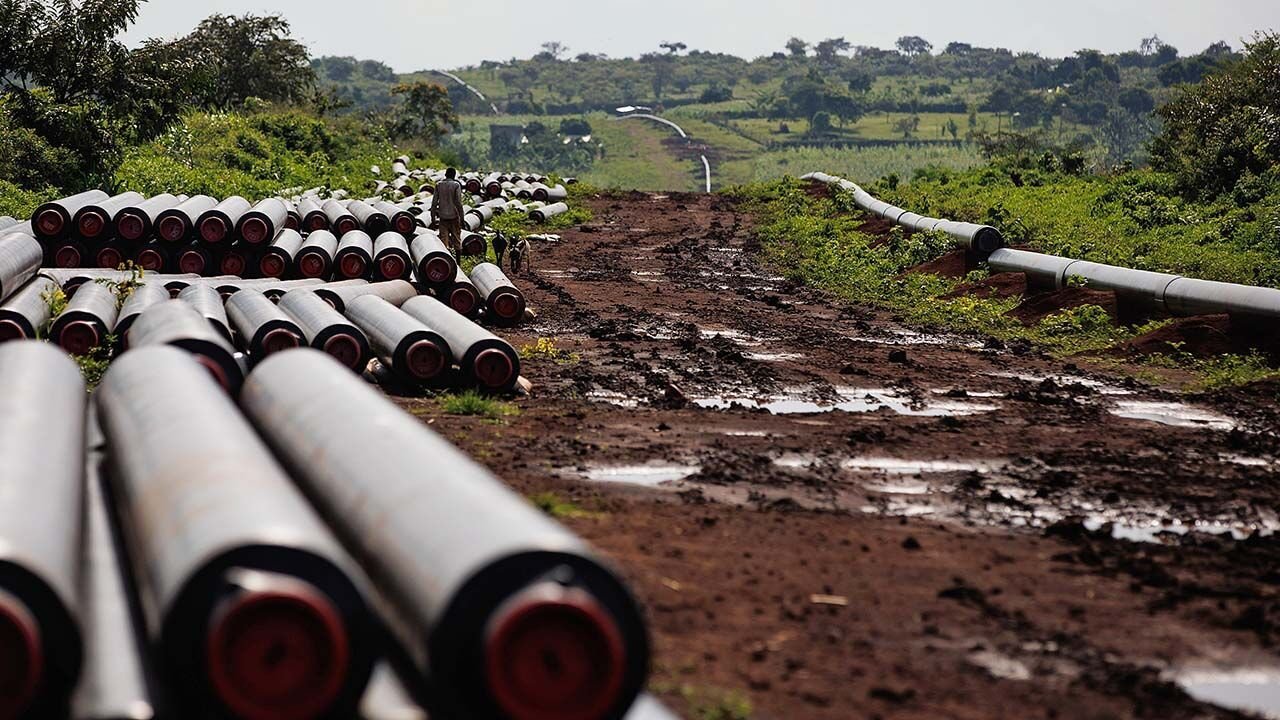
Energy transmission lines, port expansions, and continental railway connections form the backbone of the latest planning cycles. Proponents argue that properly managed transport hubs can lower logistics expenses for local manufacturers, making domestic goods far more competitive in international trade corridors.
Critics maintain caution, pointing out past instances where megaprojects suffered severe budget overruns and underutilized capacity. Achieving financial viability requires stringent demand modeling, realistic tariff regimes, and rigorous maintenance frameworks long after original contractor handovers.
Urbanization pressure is also accelerating the demand for modernized bulk infrastructure. Metropolitan areas require resilient utility lines, wastewater processing networks, and rapid transit channels to keep pace with population density and industrial expansion.
Navigating these demands requires regional coordination among neighboring governments. Joint cross-border technical committees are increasingly tasked with aligning regulatory codes, customs automation, and engineering standards to prevent operational bottlenecks at international borders.
Whether this trend yields lasting transformation hinges on institutional capability and financial discipline. Projects that prioritize clear commercial returns and seamless regional integration stand the highest chance of sustaining long-term capital flows.
Comments (0)
Leave a Comment
No comments yet. Be the first to share your thoughts!