
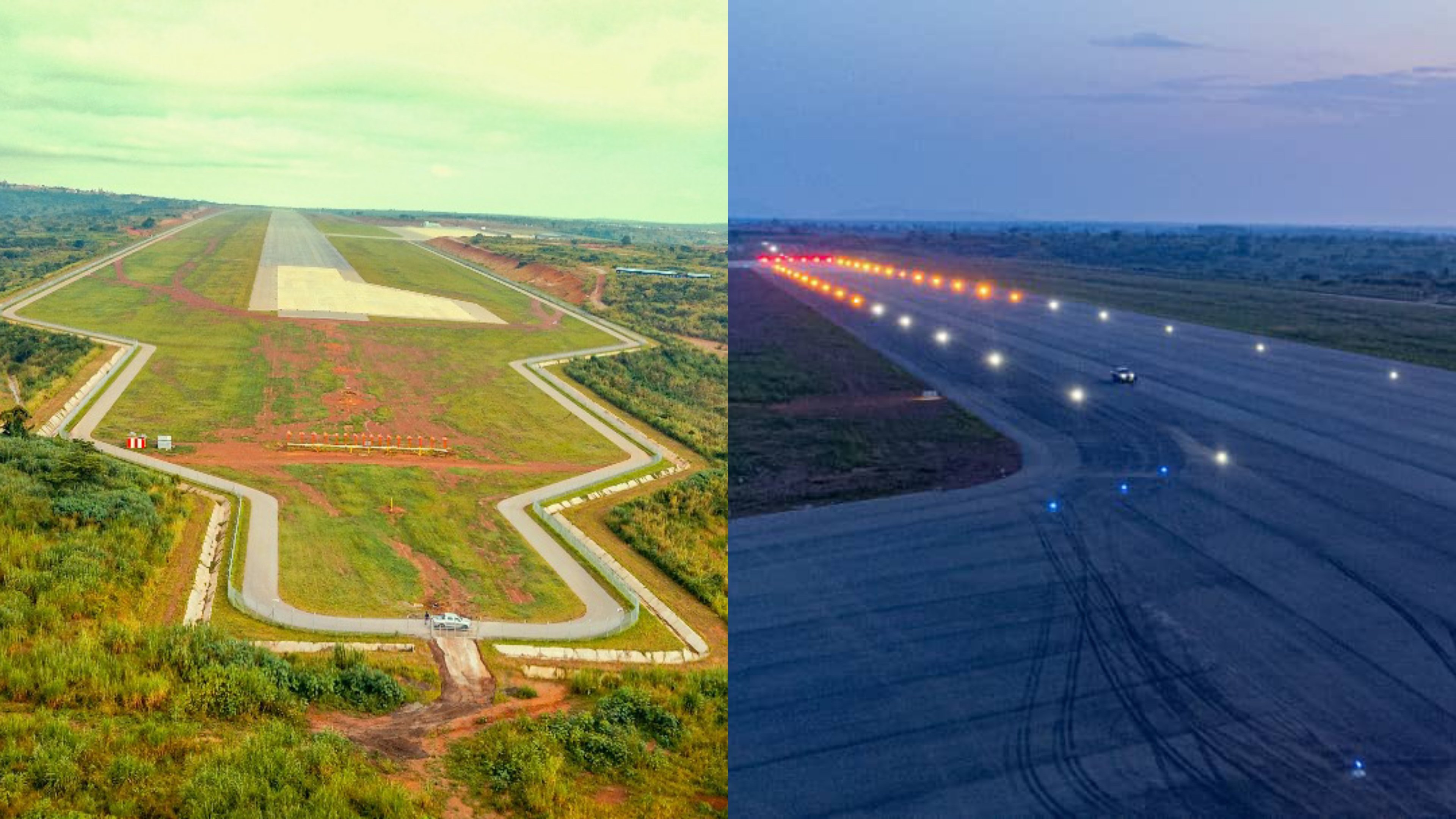

Shikun & Binui International (SBI) and Colas Limited have scheduled the formal transfer of Kabalega International Airport to Ugandan authorities for October 31, 2026.
The joint venture contractors are completing final works following an eight-year construction effort.
Installation of the Air Traffic Control (ATC) systems will reach completion before the end of August. This technical component represents the final operational requirement ahead of the handover in October.
The newly built aviation facility is situated in Hoima District within the Albertine Graben region. It was designed primarily to handle heavy cargo logistics required for the East African Crude Oil Pipeline (EACOP) project.
Commercial oil export operations across the region are scheduled to begin in October. Logistics teams will utilize the runway and freight facilities to move machinery and supporting specialized personnel.
Beyond its industrial focus, the airfield will accommodate regional air travel for the Africa Cup of Nations (AFCON) tournament. Uganda is scheduled to co-host the continental football event in 2027.
Engineering teams began ground clearing and structural earthworks at the site in April 2018. Over the course of eight years, the development experienced several timeline revisions due to financing adjustments and operational delays.
Contractors constructed a 3.5-kilometer runway capable of supporting large commercial cargo aircraft. Additional infrastructure includes parking aprons, taxiways, an air rescue firefighting house, and an electrical substation house.
A fixed control tower replaces an earlier proposal for a mobile unit, following design modifications requested during early structural phases. High-definition security cameras, power connections, and fiber optic cabling were integrated into the primary command systems.
The primary financing package for phase one of the infrastructure build reached 309 million United States Dollars. Funding was secured through international banking institutions, alongside supporting export credit facilities.
Civil aviation officials expect the airport to handle four large freight aircraft simultaneously upon full deployment. Ground support vehicles, emergency response teams, and perimeter security fencing have all been positioned around the site.
Passenger facilities were added to the site layout to support high-density traffic during major international events. These temporary and permanent terminal additions will manage incoming flights, athletic delegations, and international visitors.
Local labor accounted for a significant portion of the total workforce throughout the multi-year construction schedule. Ugandan technicians and construction crews carried out heavy paving, structural assembly, and perimeter installation work.
The completed airfield provides direct transport links into the Bunyoro sub-region, reducing reliance on long-distance road haulages. Petroleum engineers and equipment suppliers will gain direct air access to central production sites.
Testing on the runway and lighting systems was conducted to verify compliance with international civil aviation standards. Final regulatory reviews by local transport authorities are expected once the air control equipment is fully integrated.
With air traffic control equipment arriving on site this month, engineers are finishing remaining electrical connections. The upcoming October transfer completes the initial phase of the facility before full operational rollout.
The October deadline gives government agencies time to establish border controls, customs stations, and administrative personnel before commercial flights begin. Infrastructure teams will then clear equipment from the surrounding staging zones.
Comments (0)
Leave a Comment
No comments yet. Be the first to share your thoughts!