

A version of this article appeared on X by Akech Andrew.
Five West African countries have formally confirmed the operational framework for a supranational entity tasked with running a major cross-border motorway, as regional blocks push forward with massive infrastructure integration plans along the Gulf of Guinea.
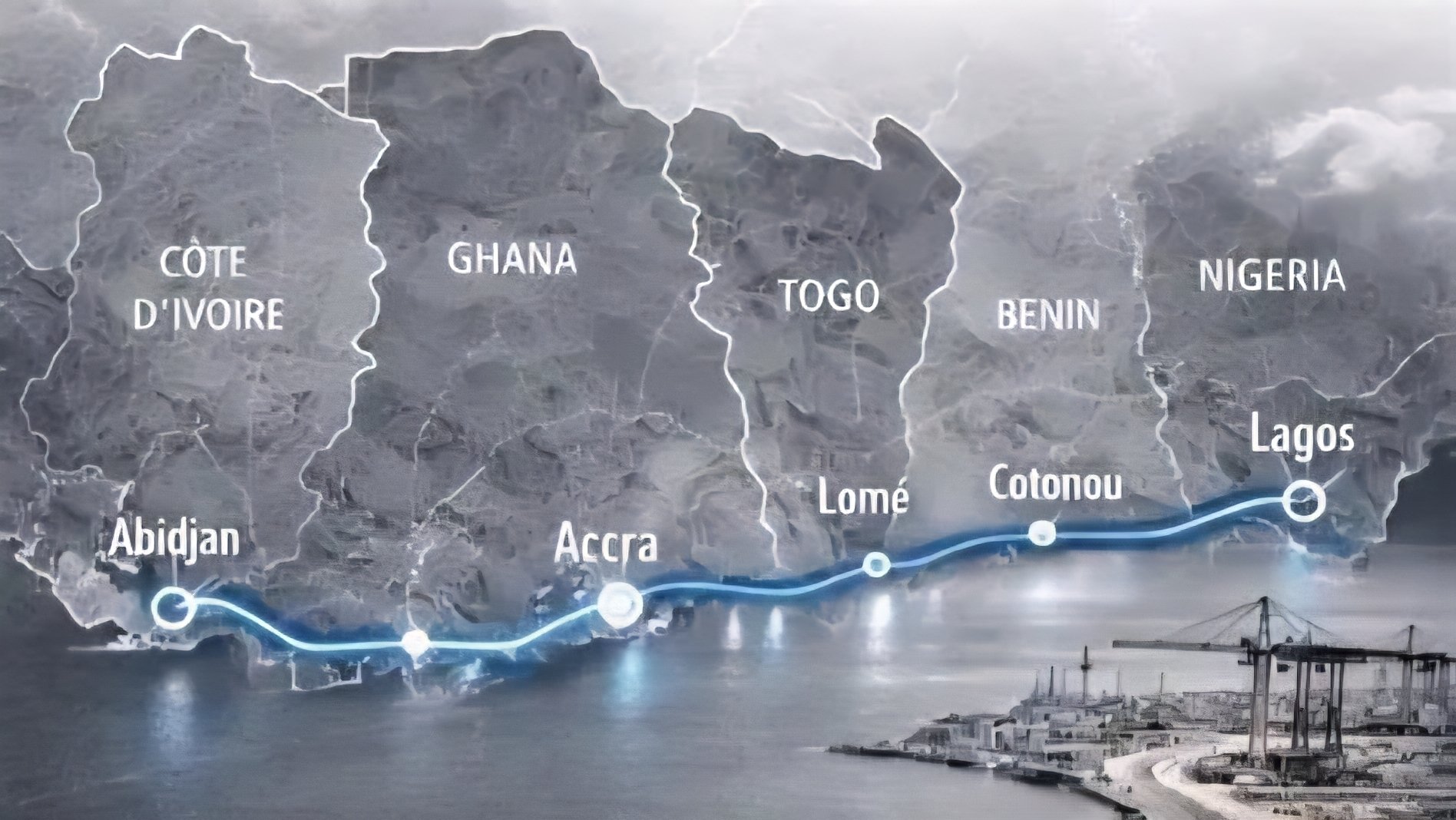
Côte d’Ivoire, Ghana, Togo, Benin, and Nigeria ratified the establishment of the Abidjan-Lagos Corridor Management Authority (ALCoMA), which is the body that will oversee the operation of the 1,028-kilometer coastal highway.
This strategic intervention represents a coordinated effort to manage the multi-billion-dollar infrastructure corridor, which connects some of the most economically vibrant and densely populated urban centers in West Africa.
According to official project documents, the operation phase of the six-lane highway stretch is planned to begin in 2030, which gives authorities a clear timeline to coordinate technical, legal, and operational systems.
The multinational project is spearheaded by the Economic Community of West African States (ECOWAS), which has been working closely with member states to finalize cross-border trade strategies and remove administrative bottlenecks.
Financial backing for the regional transport link involves major multilateral lenders, including the African Development Bank (AfDB), which serves as the mandatory lead arranger to structure and mobilize the necessary investment capital.
Estimates indicate that the standard six-lane highway is expected to generate a combined total of 16 billion dollars in regional trade, but the infrastructure will also yield substantial direct earnings.
Projections show that the corridor will bring in 1.3 billion dollars as toll revenues for the five participating countries, which underscores the long-term economic viability of the asset.
The newly established governance board held its initial sessions to outline internal operating rules, procedural protocols, and recruitment processes for technical staff, although full operational capability will take several years to mature.
During these organizational meetings, the board designated Wilfrid Lauriano Do Rego of Benin as its first chairperson for a two-year tenure, while Ayadji Omolade Hodonou Sourou Jacques was named as the deputy chairperson.
In addition to the motorway asset, the long-term regional master plan includes future designs to construct a parallel high-speed railway, although those rail developments remain in the broader planning stages.
The highway route extends from Bingerville near Abidjan and travels eastward through Accra, Lomé, and Cotonou, before finally terminating at the metropolitan hub of Lagos in Nigeria.
The corridor holds immense strategic importance because the five participating countries collectively account for more than 75 percent of the gross domestic product within the regional economic block.
Current transit networks along the coast frequently face delays at border crossings, but the introduction of a centralized management authority aims to harmonize national regulations and streamline logistics operations.
Technical specifications for the route indicate a standard dual-carriageway design with advanced features, including automated toll collection networks and modern border crossing facilities with single-window processing capabilities.
The management board has also formed interim sub-committees for human resources and finance, which will manage the recruitment of a chief executive officer and supervise operational budgets.
The project seeks to reduce transportation costs across the sub-region by a significant margin, which will enhance overall market competitiveness and support the African Continental Free Trade Area (AfCFTA) framework.
Comments (0)
Leave a Comment
No comments yet. Be the first to share your thoughts!